
Most Malaysians Don't Actually Need More Than 200 Liters of Fuel So Why Does It Feel Like They Do?
The government's own data says nearly 90% of drivers use less than 200L monthly, but perception and worry have a way of outpacing reality


Here's something the Ministry of Finance wants you to know: you're probably fine with 200 liters of subsidized fuel per month.
The data seems solid. Nearly 90% of Malaysian drivers use less than that. The average is around 100 liters monthly. Which means if you're not driving for Uber 12 hours a day or commuting from KL to Ipoh every morning, the government's current fuel subsidy cap is basically already meeting your actual needs.
That's the MoF's argument anyway, and they're not wrong technically. But something interesting is happening in the gap between what the data says and what people actually feel about it.
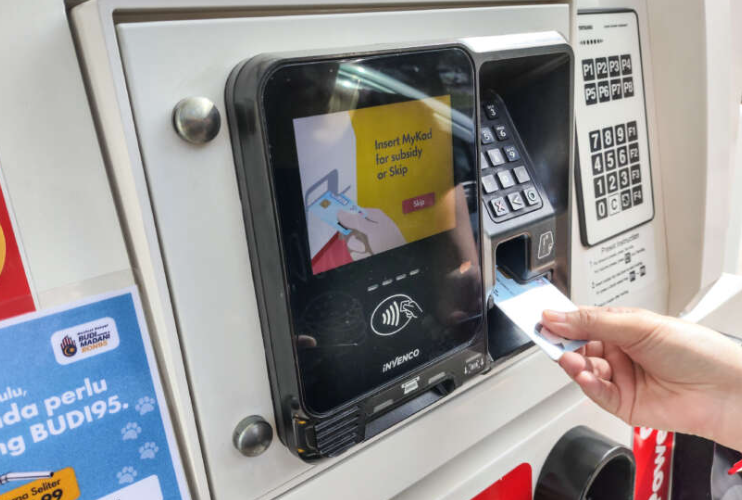
The Numbers Look Fine When You Actually Do the Math
Think about what 100-200 liters per month actually means. That's roughly 3-7 liters per day, depending on your driving. For most people, a regular commute, weekend groceries, and occasional weekend drives are covering it comfortably.
The MoF is basically saying: look, we have actual consumption data. The majority of B40 and M40 groups, the people we're actually trying to help, are using way less than this. So the limit exists, but it's not actually hitting them where they live.
The government's also pointing out something else that matters: the previous system was getting exploited. Cross-border syndicates were smuggling subsidized diesel to neighboring countries where fuel costs more. Companies were buying subsidized fuel in bulk to offset operating costs. It was bled quietly and continuously.
So the quota isn't just about fairness. It's about stopping people from gaming a system that was supposed to help regular Malaysians afford to drive to work.
But There's This Thing About Worry That Data Doesn't Capture
Here's where it gets human: even if 90% of drivers use less than 200L monthly, that doesn't mean they're not worried about the limit. There's a difference between "this is fine for me" and "what if I need more someday?" What if you have an unexpected trip? What if your driving patterns change? What if you miscalculate?
That anxiety is real even when the actual risk is small. You worry about the limit, not because you're hitting it, but because limits exist and you're aware of them.
That's probably fine; some worry is healthy if it prevents actual abuse. But it's worth noticing that the MoF's data-driven reassurance only works if people actually believe the data and trust that the government knows what it's talking about. Given how many times fuel policy has shifted in the last two years, that trust isn't automatic.
The Shifting Timeline
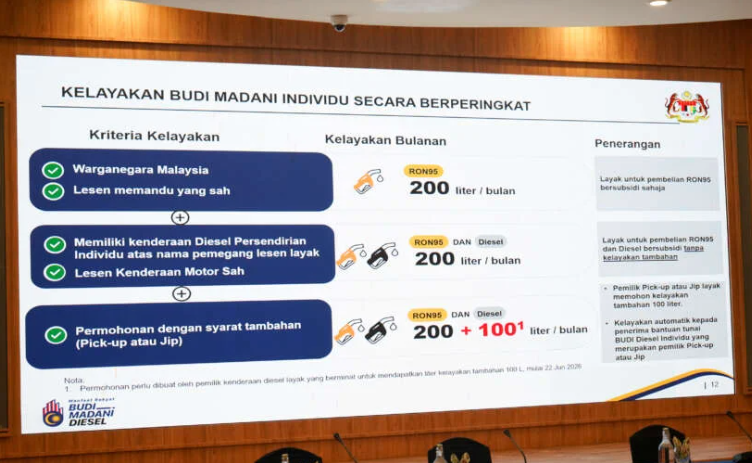
This has been a moving target. The RON 95 quota started at 300 liters per month when Budi95 launched in September last year. In March 2026, it got cut to 200 liters. That cut happened because crude oil prices jumped when the West Asia conflict kicked off, and suddenly the government's subsidy bill went from manageable to RM7.5 billion monthly.
So the 200-liter limit isn't some carefully calculated perfect number. It's what the government can afford right now while still calling it a subsidy. That's honest, but it's also why people don't entirely trust it will stay stable.
The Diesel Piece Adds a Wrinkle
Recently, the government revised the Budi Diesel subsidized diesel is now RM2.10 per liter nationwide. That's good news if you drive a diesel vehicle. Bad news: the diesel gets pulled from the same 200-liter monthly pool as RON 95. You're not getting 200 liters of each. You're getting 200 liters total, split between fuel types, and your driving actually works.
You can apply for an extra 100 liters if you need it, but that requires paperwork, means justifying why you need more, and loses the "just buy it" simplicity that makes the subsidy useful.
For most people, this is probably fine. For people with diesel vehicles and high mileage, it feels like the government just made their lives slightly more complicated without actually addressing the problem.
The Real Issue: Targeting vs. Simplicity
The government's logic is sound: subsidies work better when they're targeted to people who actually need them, not when they're blanket benefits that get exploited by syndicates and businesses trying to game the system.
That's correct policy-making. But there's a trade-off. The previous system was simple: buy fuel, get a subsidy, move on. The new system requires tracking consumption, managing two fuel types on one quota, applying for extensions, and trusting the government hasn't missed anyone who actually needs the help.
Simplicity and targeting are often in tension. You can have a system that's perfectly fair if you design it carefully, or a system that's simple enough that people actually use it. Getting both is harder than it looks.
What This Actually Means for Drivers
If you drive a normal amount of work commute, weekend errands, and occasional longer trips, the 200L limit covers you. Probably. The data suggests it does. You should be fine.
If you drive for a living or you regularly make long trips, you might hit the limit sometimes. That's where the extra 100-liter application comes in, and that's where the system gets less simple and more bureaucratic.
If you're smuggling fuel to Thailand or using subsidized diesel to run your whole logistics operation, congratulations, you're the reason this system exists. The government is specifically trying to stop people like you.
The MoF's data isn't wrong. Most drivers will use less than 200 liters monthly. The quota probably doesn't need to be higher. The system works for the people it's supposed to work for.
But a policy that's correct on paper isn't always a policy that feels correct to people living under it. The government could probably help itself by being more transparent about why the changes happen, and less surprised when people worry about a system that's been adjusted twice in nine months.
That said, if you're in the B40 or M40 group trying to afford fuel, this subsidy is genuinely helping you. It might not feel generous. It definitely feels like it could disappear. But it's working for most people. The data says so. Even if the worry doesn't quite believe it yet.
About the Creator
Mark Lim
Hi I am mark an automotive student and a car, tech and food enthusiast ! Im gonna try and post daily & hope you enjoy what I write and do share my page with people you know. I would gladly appreciate it! Cheers
Enjoyed the story? Support the Creator.
Subscribe for free to receive all their stories in your feed.
Comments
There are no comments for this story
Be the first to respond and start the conversation.