
More Than Half of England Officially in Drought as Water Concerns Grow
Low rainfall and rising temperatures put pressure on agriculture, wildlife, and water supplies.
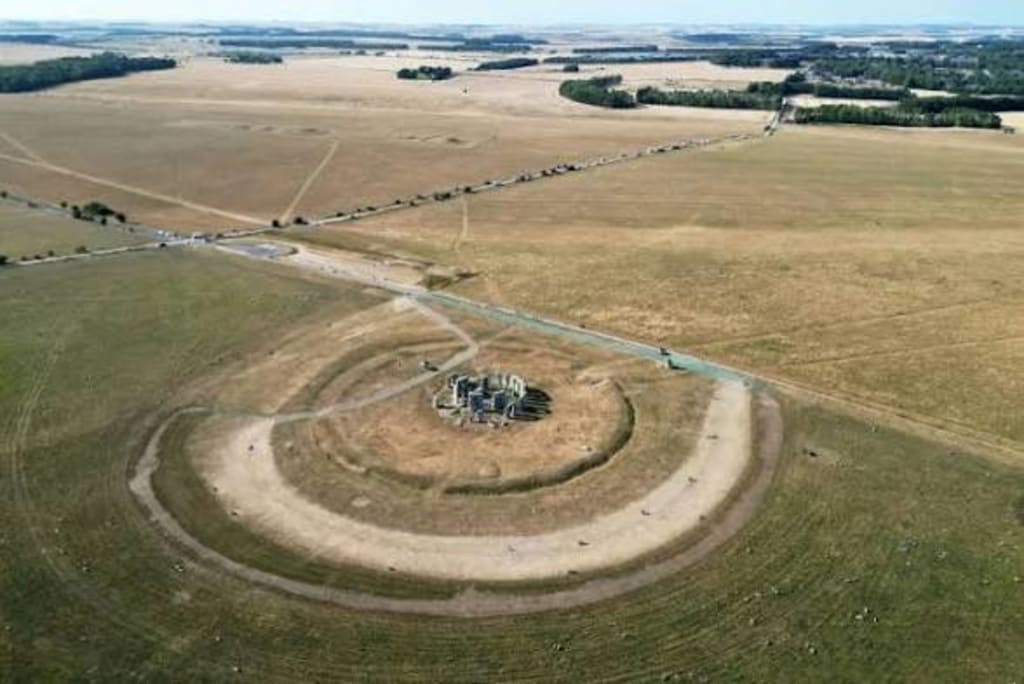
More than half of England is facing official drought conditions as prolonged dry weather, limited rainfall, and rising temperatures place increasing pressure on water supplies, agriculture, and natural ecosystems. The situation has raised concerns among environmental experts, farmers, and communities as authorities work to manage the impact of one of the country’s most serious water challenges in recent years.
The drought has affected several regions across England, with many areas experiencing significantly lower rainfall than normal. Rivers, reservoirs, and groundwater levels have declined, creating difficulties for water management authorities and increasing concerns about future supplies.
The Environment Agency has warned that continued dry conditions could place additional pressure on the environment and increase the risk of further restrictions. Officials have encouraged households, businesses, and industries to use water responsibly while monitoring weather patterns closely.
Agriculture has been among the sectors most affected by the drought. Farmers rely heavily on consistent water supplies to grow crops and maintain livestock, but dry conditions have made farming more difficult. Many agricultural producers have faced higher costs as they attempt to protect crops through additional irrigation and other measures.
The impact on farming could also affect food production and prices. Crops such as vegetables, grains, and fruits require sufficient rainfall and soil moisture to grow successfully. When water becomes limited, farmers may experience reduced yields, creating challenges throughout the food supply chain.
Livestock farmers have also reported difficulties as grasslands become dry and less productive. Some have needed to provide additional feed and water for animals, increasing financial pressure during an already challenging period.
The drought has also created serious environmental concerns. Rivers, lakes, and wetlands provide essential habitats for many species, including fish, birds, and other wildlife. Lower water levels can damage ecosystems, reduce biodiversity, and increase the risk of long-term environmental harm.
Experts have warned that warmer temperatures make drought conditions more severe by increasing evaporation and reducing soil moisture. Climate scientists say that changing weather patterns are contributing to more frequent periods of extreme heat and prolonged dry conditions.
The United Kingdom has historically experienced periods of drought, but experts suggest that climate change is increasing the likelihood of more intense and longer-lasting events. Rising global temperatures are affecting rainfall patterns and creating new challenges for water management systems.
Water companies across England have responded by encouraging customers to reduce unnecessary water use. Public awareness campaigns have promoted simple conservation measures, including shorter showers, fixing leaks, using water carefully in gardens, and avoiding waste.
Some areas have introduced temporary restrictions on activities such as using garden hoses and washing vehicles. Officials say these measures are designed to protect essential water supplies and ensure that communities have enough resources during the dry period.
The drought has also affected wildlife conservation efforts. Environmental groups have highlighted concerns about rivers becoming warmer and having lower oxygen levels, which can threaten aquatic life. Fish populations and other river species are particularly vulnerable during extended periods of low water.
Local communities have also expressed concerns about the impact on parks, countryside areas, and natural landscapes. Dry conditions can increase the risk of wildfires, especially during periods of extreme heat and strong winds.
The government faces growing pressure to improve long-term water management strategies. Experts have called for investment in infrastructure, including improved storage facilities, reduced water leakage, and better planning for future climate challenges.
Many environmental specialists believe that addressing drought risks requires a combination of immediate action and long-term planning. While reducing water consumption can help during emergencies, stronger systems are needed to prepare for future extreme weather events.
The economic impact of drought extends beyond agriculture. Businesses that depend on reliable water supplies, including manufacturing and tourism industries, may also experience difficulties. Natural attractions affected by low water levels could see reduced visitors, while companies may face increased operational costs.
Despite the seriousness of the situation, weather conditions can change quickly. Rainfall in the coming weeks could provide temporary relief, but experts say sustained precipitation would be needed to fully restore reservoirs, rivers, and groundwater levels.
The drought serves as a reminder of the importance of protecting natural resources in a changing climate. As England continues to experience increasing pressure on its water systems, cooperation between governments, businesses, and the public will be essential.
For now, authorities continue to monitor conditions closely while communities adapt to the challenges of prolonged dry weather. The response to this drought may play an important role in shaping how England prepares for future environmental challenges.
About the Creator
Enjoyed the story? Support the Creator.
Subscribe for free to receive all their stories in your feed.
Comments
There are no comments for this story
Be the first to respond and start the conversation.