
Missile that left crater deep inside Poland was probably Russian - Polish PRIME MINISTER
Poland investigates missile incident as concerns grow over regional security and NATO’s eastern border
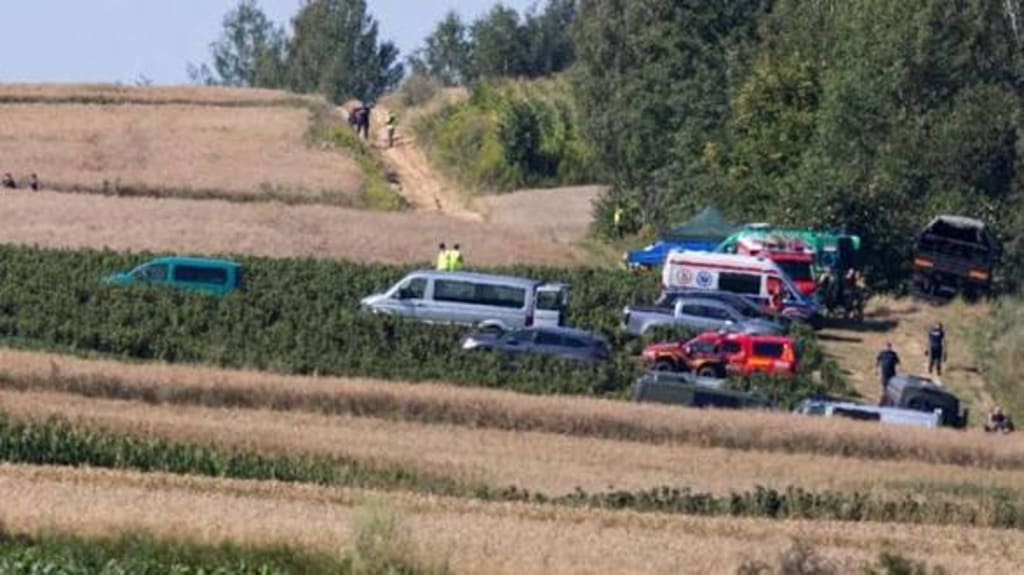
A missile that created a crater deep inside Polish territory was probably Russian, Polish Prime Minister Donald Tusk has said, as authorities continue investigating the incident and assessing its implications for national security. The discovery has renewed concerns about the risks of the ongoing war in Ukraine spilling across borders and increasing tensions between Russia and NATO.
The incident occurred as Polish authorities examined the remains of a missile that struck an area inside Poland. Initial investigations focused on identifying the missile’s origin, its flight path, and whether it was connected to military activity related to the conflict in neighbouring Ukraine.
Prime Minister Tusk said that evidence gathered so far points toward Russian involvement, although investigators continue to analyse technical details. He stressed that Poland must rely on verified findings before making final conclusions, while also highlighting the seriousness of a foreign missile entering Polish airspace.
Poland, a NATO member located on the alliance’s eastern flank, has repeatedly warned that the war in Ukraine creates security challenges for countries close to the conflict zone. Since Russia launched its full-scale invasion of Ukraine, Poland has increased military spending, strengthened border security, and expanded cooperation with NATO allies.
The missile incident has raised questions about whether the strike was intentional, accidental, or the result of military operations near Poland’s border. Previous incidents involving missiles and drones entering Polish airspace have triggered diplomatic discussions and military responses from Warsaw and its allies.
Security experts say that determining the missile’s origin requires careful examination of fragments, electronic data, radar information, and intelligence assessments. Missile identification can involve analysing engine parts, guidance systems, manufacturing markings, and launch patterns.
The Polish government has emphasized that any violation of its territory is treated as a serious matter. Tusk said Poland would respond based on facts and would work closely with international partners, including NATO, during the investigation.
Russia has previously denied responsibility for several incidents involving missiles crossing into neighbouring countries and has often accused Western governments of exaggerating security threats. Moscow has maintained that its military operations are focused on Ukraine and that it does not target NATO territory.
However, officials in Poland and other NATO countries argue that repeated airspace violations demonstrate the wider risks created by the war. They say even accidental incidents can have dangerous consequences because of the possibility of miscalculation between nuclear-armed powers.
The latest incident comes at a time when European nations are increasing their focus on defence preparedness. Poland has become one of NATO’s strongest military supporters in Europe, investing heavily in new weapons systems, troop expansion, and cooperation with countries such as the United States.
The Polish public has also shown increased concern about national security since the start of the Ukraine war. Many citizens support stronger defence measures, while others worry about the possibility of escalation and direct confrontation with Russia.
Analysts believe the response from Poland and NATO will likely focus on maintaining deterrence while avoiding unnecessary escalation. NATO has repeatedly stated that it seeks to defend member states while preventing the conflict from expanding beyond Ukraine.
The investigation into the missile strike is expected to provide more details about where the missile was launched, how it travelled, and whether it was linked to a specific military operation. Until all evidence is reviewed, officials are expected to remain cautious in their statements.
The incident highlights the fragile security environment in Eastern Europe. With fighting continuing in Ukraine, countries bordering the conflict remain alert to possible threats from missiles, drones, and other military activity.
For Poland, the priority is confirming the facts and ensuring that its territory remains protected. The government has indicated that it will continue strengthening cooperation with NATO allies while monitoring developments closely.
The missile crater may represent a single incident, but it reflects a broader challenge facing Europe: how to manage security risks created by a prolonged war while preventing a wider confrontation. As investigations continue, Poland’s findings could influence future discussions about regional defence and NATO’s response to threats near its borders.
About the Creator
Enjoyed the story? Support the Creator.
Subscribe for free to receive all their stories in your feed.
Comments
There are no comments for this story
Be the first to respond and start the conversation.