
Military planes converted into water bombers to fight French wildfires
French Authorities Expand Aerial Firefighting Capacity by Adapting Military Aircraft as Severe Wildfires Threaten Communities and Forests Across the Country
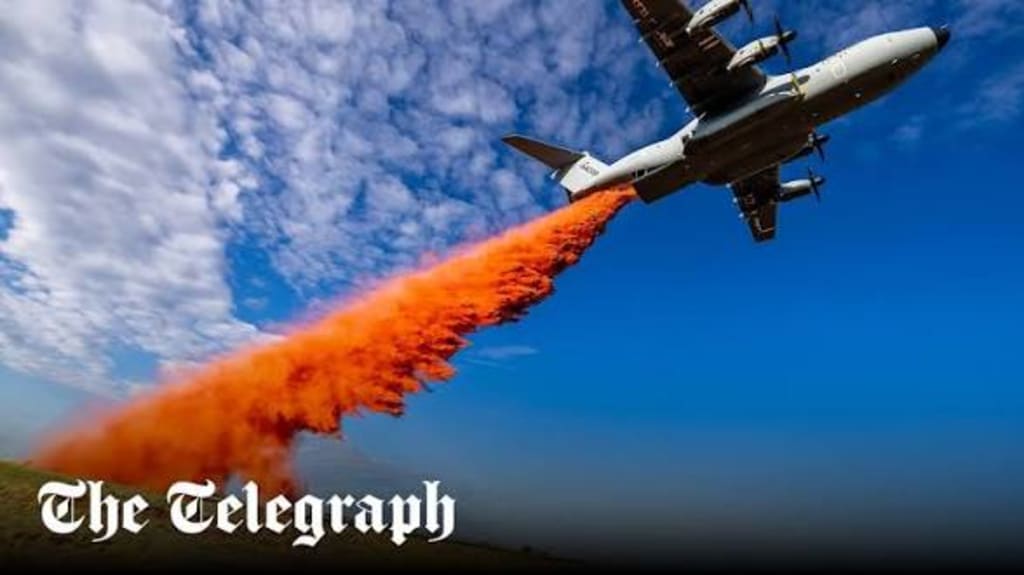
France has deployed military aircraft converted into water bombers as authorities intensify efforts to combat a series of destructive wildfires that have threatened communities, forests, and critical infrastructure across several regions of the country. The move reflects the growing challenge posed by increasingly severe wildfire seasons, which experts link to prolonged droughts, rising temperatures, and changing climate conditions.
The converted aircraft are being used to support France's established aerial firefighting fleet, providing additional capacity as emergency services work to contain fires burning across large areas of vegetation. Officials say the adaptation of military planes demonstrates the government's determination to mobilize all available resources in response to the escalating threat posed by wildfires.
Wildfires have become a recurring concern in France during the summer months, particularly in southern regions where dry vegetation and strong winds can create ideal conditions for rapid fire spread. In recent years, authorities have faced growing pressure to strengthen prevention measures and expand emergency response capabilities as extreme weather events become more frequent.
According to emergency management officials, the converted military aircraft are capable of carrying significant quantities of water or fire retardant and can be deployed quickly to areas where conventional firefighting resources are stretched. The aircraft operate alongside helicopters, specialized water bombers, and thousands of firefighters working on the ground.
Government representatives have emphasized that aerial firefighting plays a crucial role in slowing the advance of major fires, especially in remote or difficult-to-access areas. Aircraft can target hotspots, create protective barriers, and support ground crews attempting to prevent flames from reaching residential neighborhoods and strategic infrastructure.
The decision to adapt military aircraft for firefighting purposes comes as several European countries face similar challenges. Across the continent, prolonged heatwaves and dry conditions have increased the risk of large-scale wildfires. Nations have increasingly cooperated by sharing firefighting equipment, aircraft, and personnel through regional emergency response mechanisms.
Residents in affected areas have described dramatic scenes as smoke filled the skies and emergency services issued evacuation orders. Local authorities have urged people to follow safety instructions and remain alert as weather conditions continue to influence fire behavior. In some communities, temporary shelters have been established for displaced residents, while transportation routes have been adjusted to support emergency operations.
Environmental experts warn that wildfires can have devastating consequences beyond the immediate destruction of forests and property. Fires release large quantities of carbon dioxide into the atmosphere, damage ecosystems, threaten wildlife habitats, and contribute to air pollution that can affect public health. Recovery efforts often require years of reforestation and environmental restoration work.
French firefighters have gained international recognition for their expertise in combating wildfires, particularly in Mediterranean regions where such incidents have historically occurred. However, officials acknowledge that the scale and intensity of recent fire seasons have increased demands on personnel and equipment. The use of converted military aircraft is part of a broader strategy aimed at enhancing national resilience against future emergencies.
Defense authorities have highlighted the flexibility of military assets in supporting civilian operations during crises. Military aircraft, logistics systems, and personnel have frequently been deployed during natural disasters, including floods, storms, and public health emergencies. By adapting aircraft for aerial firefighting missions, officials hope to maximize available resources while protecting lives and property.
The technical conversion process involves modifying aircraft to carry and release water or fire-retardant materials effectively. Engineers and aviation specialists must ensure that aircraft meet safety requirements and operational standards while maintaining reliability under demanding conditions. These adaptations allow planes originally designed for military purposes to perform specialized firefighting tasks.
Climate scientists continue to study the factors contributing to the increased frequency and severity of wildfires. Rising global temperatures have been associated with longer periods of drought, reduced soil moisture, and more intense heatwaves, all of which can create favorable conditions for fire outbreaks. Experts caution that without effective mitigation and adaptation measures, wildfire risks may continue to grow in many parts of Europe.
The French government has invested in a range of wildfire prevention initiatives, including forest management programs, public awareness campaigns, and improvements to emergency response systems. Authorities encourage residents to take precautions during high-risk periods by avoiding activities that could accidentally ignite fires and by reporting suspicious smoke or flames immediately.
Economic losses associated with major wildfires can be substantial. In addition to damage to homes, businesses, and agricultural land, tourism-dependent regions may experience disruptions during peak travel seasons. Local governments often face significant costs related to emergency response, infrastructure repairs, and environmental recovery projects.
Community organizations and volunteers have also played an important role in supporting affected populations. Assistance efforts have included providing food, shelter, transportation, and emotional support to residents displaced by the fires. Such initiatives help communities cope with the immediate impact of disasters while longer-term recovery plans are developed.
European policymakers increasingly view wildfire preparedness as a critical component of climate adaptation strategies. Investments in advanced monitoring systems, aerial firefighting fleets, and cross-border cooperation are expected to become more important as environmental conditions evolve. France's decision to utilize converted military aircraft illustrates how governments are exploring innovative approaches to strengthen emergency response capabilities.
As firefighting operations continue, authorities remain focused on protecting lives, containing active blazes, and preventing further damage. Weather forecasts, wind patterns, and ground conditions will play a significant role in determining how quickly fires can be brought under control. Emergency services have pledged to maintain a strong presence in affected areas until the threat has diminished.
The deployment of military planes converted into water bombers highlights both the urgency of the current wildfire situation and the broader challenges facing countries across Europe. As communities confront increasingly complex environmental risks, governments are being forced to adapt traditional resources and develop new strategies to safeguard people, ecosystems, and critical infrastructure from the growing threat of wildfires.
About the Creator
Enjoyed the story? Support the Creator.
Subscribe for free to receive all their stories in your feed.
Comments
There are no comments for this story
Be the first to respond and start the conversation.