
Mexico and Peru restore diplomatic relations after asylum row
The renewed diplomatic ties mark a significant step toward regional cooperation after years of political tensions triggered by a high-profile asylum controversy.
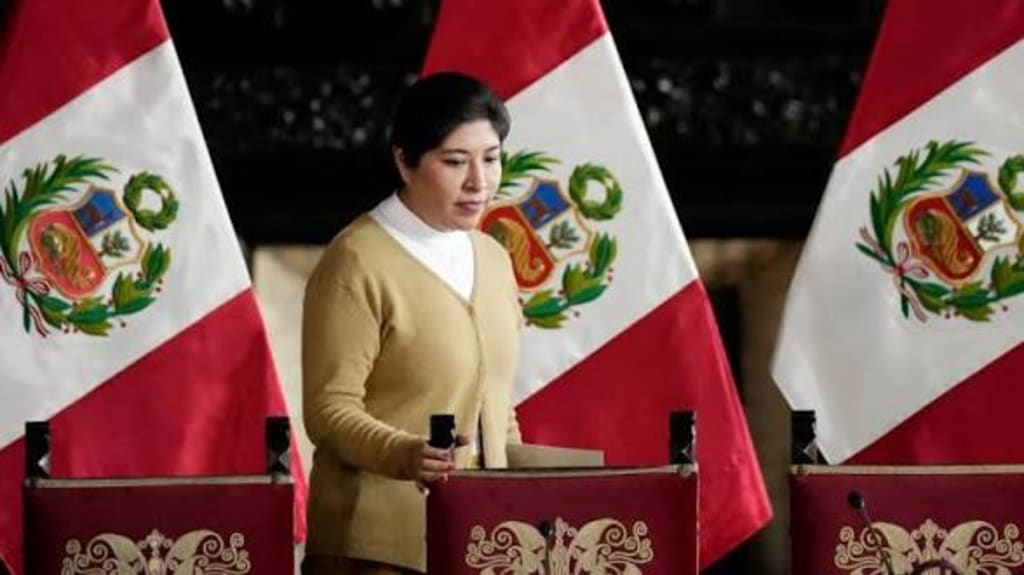
Mexico and Peru have officially restored full diplomatic relations, bringing an end to a prolonged period of political tension that began with a controversial asylum dispute. The decision marks an important breakthrough for Latin American diplomacy, signaling a willingness by both governments to rebuild trust, strengthen regional cooperation, and focus on shared economic and security priorities.
The diplomatic rift originated after Mexico granted political asylum to individuals linked to Peru's political crisis, a move that Peruvian authorities viewed as interference in their internal affairs. The disagreement quickly escalated, resulting in the withdrawal of ambassadors, suspension of high-level diplomatic engagement, and a sharp decline in bilateral cooperation.
Following months of diplomatic negotiations and backchannel discussions, officials from both countries announced the restoration of full diplomatic ties. The agreement includes the return of ambassadors, the reopening of regular diplomatic communication, and renewed cooperation across multiple sectors including trade, tourism, education, security, and cultural exchange.
Government representatives from both nations described the move as a victory for diplomacy over political confrontation. Officials emphasized that despite differences in political perspectives, neighboring countries share responsibilities that require continuous dialogue and mutual respect.
Diplomatic analysts say the normalization of relations reflects changing political priorities across Latin America, where governments increasingly recognize that prolonged diplomatic disputes can negatively affect economic growth, regional stability, and international cooperation.
The asylum dispute emerged during one of Peru's most politically turbulent periods. Domestic political instability led to nationwide demonstrations, leadership changes, and legal investigations involving senior political figures. Mexico's decision to offer diplomatic protection to individuals connected to the crisis was defended as a humanitarian action consistent with international asylum traditions.
Peru, however, argued that the decision undermined its judicial system and violated the principle of non-interference in domestic affairs. The disagreement intensified after diplomatic exchanges became increasingly public, leading both governments to recall ambassadors and reduce formal diplomatic engagement.
The restoration agreement does not necessarily mean both countries now share identical political views. Instead, diplomats describe it as recognition that constructive engagement serves national interests better than prolonged isolation.
Trade remains one of the strongest incentives for rebuilding relations. Mexico and Peru are among Latin America's largest economies and are important members of regional economic initiatives, including the Pacific Alliance. Bilateral commerce supports thousands of businesses involved in manufacturing, agriculture, mining, food exports, technology, and logistics.
Business organizations welcomed the diplomatic breakthrough, noting that stable political relations create greater certainty for investors and encourage long-term commercial partnerships. Although trade continued throughout the diplomatic dispute, experts believe normalized relations will facilitate investment approvals, regulatory cooperation, and business confidence.
Tourism is another sector expected to benefit significantly. Before diplomatic tensions emerged, thousands of tourists traveled annually between the two countries for leisure, business, and cultural exchanges. Tourism operators anticipate increased visitor numbers as diplomatic cooperation resumes and promotional campaigns restart.
Education and academic partnerships are also likely to expand. Universities in both countries have previously collaborated through student exchange programs, scientific research, and professional training initiatives. Educational leaders hope renewed diplomatic engagement will strengthen these opportunities for students and researchers.
Security cooperation represents another important area of renewed collaboration. Mexico and Peru face common regional challenges including organized crime, drug trafficking, cybercrime, money laundering, and illegal migration networks. Security experts argue that intelligence sharing and coordinated law enforcement efforts become significantly more effective when diplomatic relations remain stable.
Regional organizations welcomed the announcement, describing it as an encouraging example of peaceful conflict resolution through dialogue. International observers have long encouraged Latin American governments to resolve disputes through diplomatic channels rather than prolonged political confrontation.
Foreign policy specialists note that restoring diplomatic relations often involves months of quiet negotiations that receive little public attention. Confidence-building measures, informal meetings, and technical discussions typically precede formal announcements such as this one.
Public reaction has generally been positive in both countries. Many citizens expressed hope that governments can now focus on addressing economic development, employment opportunities, inflation, healthcare, education, and public safety rather than continuing diplomatic disagreements.
Political analysts caution, however, that restoring diplomatic relations represents only the beginning of rebuilding mutual confidence. Both governments will need to maintain consistent communication and carefully manage future disagreements to avoid repeating previous tensions.
International law experts emphasize that asylum has long been one of Latin America's most sensitive diplomatic issues. While international agreements recognize the humanitarian importance of political asylum under certain circumstances, differing interpretations often create disagreements between governments involved in politically sensitive cases.
The renewed diplomatic relationship also carries broader implications for regional integration. Latin America continues working toward greater economic cooperation through multiple regional organizations, making stable bilateral relationships increasingly valuable for achieving common development goals.
Economic forecasts suggest stronger diplomatic engagement could encourage greater investment in infrastructure, renewable energy, manufacturing, agriculture, digital technology, and transportation projects involving companies from both countries.
For ordinary citizens, the restoration of diplomatic relations may gradually result in improved consular services, expanded business opportunities, increased tourism, simplified official cooperation, and broader educational exchanges.
As ambassadors prepare to resume their duties, both governments have expressed optimism about building a more constructive and respectful partnership. While political differences may continue to arise, leaders from Mexico and Peru appear committed to resolving future disagreements through diplomatic dialogue rather than confrontation.
The restoration of relations demonstrates that diplomacy remains an essential tool for overcoming political disputes. By reopening communication and reaffirming mutual respect, Mexico and Peru have taken an important step toward strengthening bilateral ties and contributing to greater stability and cooperation across Latin America.
About the Creator
Enjoyed the story? Support the Creator.
Subscribe for free to receive all their stories in your feed.
Comments
There are no comments for this story
Be the first to respond and start the conversation.