

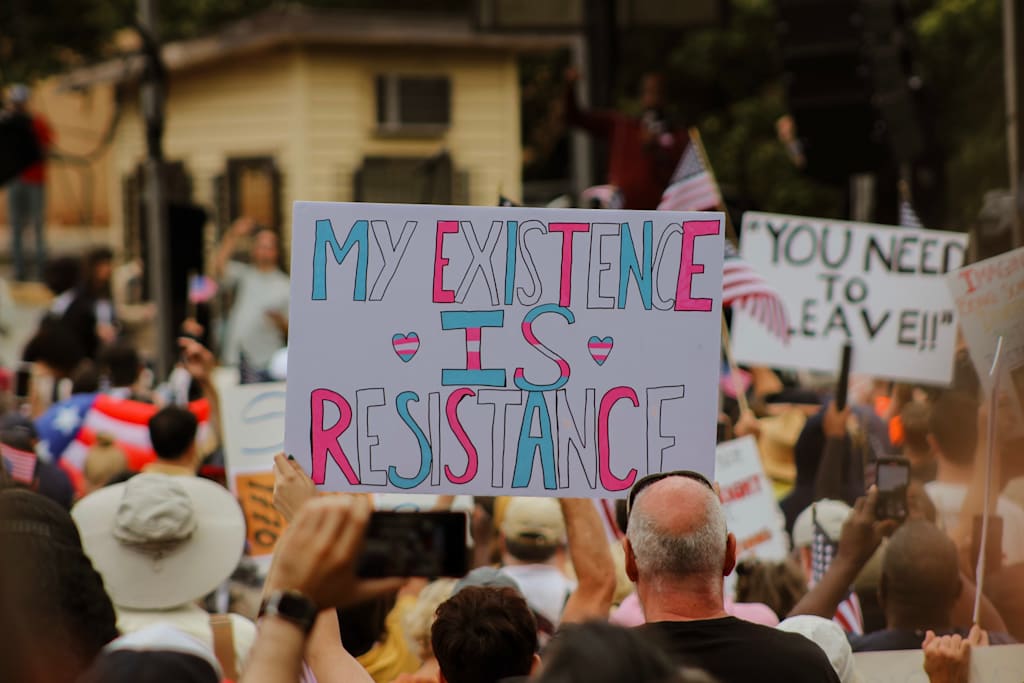
Over the years, I’ve used Mondays to discuss mental health and promote understanding. I covered things like different mental illnesses, medication and treatment options, as well as simple, uplifting messages for those currently struggling. Now, as I work to get my foot in the door of politics, I thought it was the perfect time to put the two together.
Our current political climate is nothing short of messy and unequal, especially when it comes to mental health knowledge and treatment access. For many of us, the day we chose to seek help was one of the hardest and scariest days, but also one of the most empowering, because we never gave up. When faced with the choice of darkness, we looked the other way and chose the light. Sometimes it may be dim, but as long as we can see the glow, we’re headed in the right direction.
Today, people all over the world struggle with a plethora of mental health illnesses or conditions. While the stigma surrounding mental health remains, we’re also facing new challenges like access to safe, affordable and effective resources and treatment options.
Mental health is a deeply personal and important issue impacting millions of Americans. Policy decisions made at the national level can have profound consequences for individuals and families struggling with mental health challenges. Let’s dive into the actions taken by the Trump administration that have affected mental health care, access, and support in the United States.
1. Changes to Health Care Coverage
The Trump administration took multiple steps to modify the Affordable Care Act (ACA), which included provisions for mental health coverage as an essential health benefit. Efforts to repeal or weaken the ACA threatened to reduce access to mental health and substance use disorder services for many Americans, especially those relying on Medicaid expansion. The uncertainty and changes in coverage caused concern and confusion for individuals, especially children, who depend on these services for their well-being.
2. Cuts to Mental Health Research and Programs
Proposed budget cuts under the Trump administration affected agencies such as the National Institutes of Health (NIH) and the Substance Abuse and Mental Health Services Administration (SAMHSA). Reductions in funding threatened vital research, community programs, and outreach initiatives that support individuals with mental health needs, like the 988 LGBTQ+ youth hotline, which was shut down back in July of 2025. Since its launch in 2022, the hotline had received nearly 1.3 million points of contact. Other places feeling the effects of this are: health clinics in rural areas, mental health units in hospitals, and substance use treatment centers. These cuts risk slowing progress in understanding and treating mental illnesses.
3. Mental Health Parity Enforcement
The Mental Health Parity and Addiction Equity Act was designed to ensure that insurance coverage for mental health conditions is on par with physical health conditions, meaning insurance companies must provide equal coverage for mental health as they do physical health. The Trump administration faced criticism for not prioritizing enforcement of parity rules, leaving gaps in access and coverage for mental health services and allowing insurance companies to deny mental health and substance use coverage. This has made it difficult for some to receive the care they need, further compounding already challenging circumstances.
4. Opioid Crisis Response
While the Trump administration declared the opioid crisis a public health emergency and took steps to address it, some experts and advocates argued that funding and resources allocated were insufficient to meet the scope of the crisis. Comprehensive mental health and substance use disorder services are essential in combatting opioid addiction, and limited federal support meant many communities struggled to cope. Trump also signed an executive order that would criminalize homelessness and target those specifically struggling with severe mental health illnesses and substance use disorder and even mentions adopting and enforcing “maximally flexible civil commitment standards.”
5. New Medicaid Work Requirements
Policies implemented under the Trump administration sought to allow states to impose work requirements on Medicaid recipients. These measures risked disenfranchising individuals with serious mental health conditions who may be unable to meet work requirements, potentially resulting in loss of coverage for vital treatments and medications. For those living with mental illness, stable coverage can be the difference between recovery and crisis.
6. Immigration Policy Effects
Strict immigration policies and practices, including family separations at the border, had significant mental health impacts on children and families. Advocates and health professionals raised concerns about the psychological trauma caused by these actions, emphasizing the long-term effects on mental health and well-being.
7. School Safety and Mental Health
In response to school shootings, the administration focused largely on security measures rather than on expanding mental health resources in schools. Many educators and mental health professionals advocated for increased funding and access to counseling and support, highlighting the importance of proactive mental health care in preventing violence and supporting students. Instead, the administration recently cut $1 billion in grants that helped school districts across the country hire mental health professionals, including counselors and social workers.
The actions taken by the Trump administration regarding mental health have sparked significant debate and concern among experts, advocates, and those affected. Changes to health care laws, funding, enforcement, and broader policy areas have influenced access to mental health support across the nation. It is essential to approach these issues with empathy and understanding for the individuals and communities most impacted, recognizing the urgent need for compassionate, comprehensive mental health care policy moving forward.
Those of us who have dealt with the inner workings of mental health programs, facilities and treatment options know all too well the challenges and disparities that infect the mental health community. This administration doesn’t like us. They don’t want to help or understand us. But they’ll use us as a scapegoat every chance they can. So, here we are again: at a crossroad. But rather than choosing our own fate, we’re choosing whether to fight for someone else’s, to make sure they have access to safe and effective care that’s accessible and affordable for ALL. Because being healthy mentally is life-changing, and everyone deserves a chance to feel happy, to see the light. So, let’s all come together and fight this fight. For us. For them. For everyone. Because, as long as we have hope, it’s not too late.
About the Creator
Shaley Speaks
Wife. Mom. Creator.
Politics. Life. Motherhood. Fiction. Music.
I love it all. I hope you do, too.
Enjoyed the story? Support the Creator.
Subscribe for free to receive all their stories in your feed.
Comments
There are no comments for this story
Be the first to respond and start the conversation.