
Japan’s UN Speech Backfired. Then the World Looked Up One Phrase.
Takaichi Sanae demanded the deletion of the “enemy State clauses.” Instead, she reminded everyone why they exist.
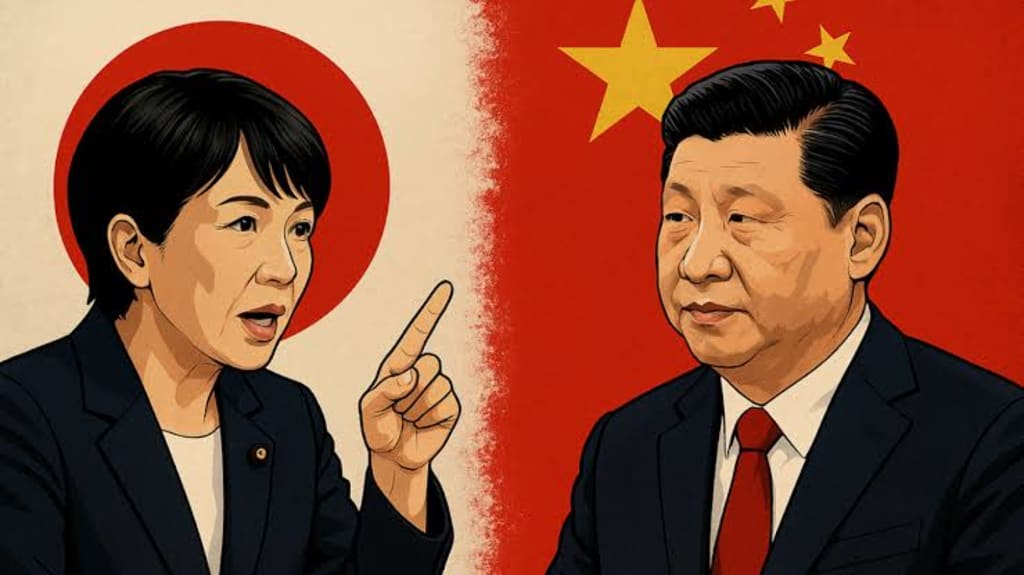
On September 23, in New York, Takaichi Sanae walked to the UN General Assembly podium. She did not discuss climate. She did not discuss development. She brought up the “enemy State clauses” in the UN Charter. She said they concerned Japan’s pride and honor. She demanded their deletion.
In the hall, delegates looked down at their phones. Some were hearing the term for the first time.
What are the enemy State clauses? They are Articles 53, 77, and 107 of the UN Charter. Article 53 lets regional organizations take enforcement action against a former enemy State that renews aggression without prior Security Council authorization. Article 107 says nothing prohibits the victorious powers from acting against enemy States because of World War II, including military occupation or war crimes trials. Article 77 allows territories detached from enemy States to be placed under UN trusteeship. The Charter names the enemy States: Germany, Japan, Italy, and other fascist Axis powers. Japan is still on the list.
Japan has wanted the clauses deleted for decades. In 1995, the General Assembly passed a resolution saying they had “effectively lost their force.” Japan uses that resolution as a shield. But General Assembly resolutions do not carry legal force. If they did, Israel would have been expelled long ago, and the United States would not be able to blockade Cuba. Deleting the clauses means amending the Charter. Amending the Charter requires two-thirds of the General Assembly and unanimity among the five permanent Security Council members. China and Russia hold vetoes. The road is blocked.
On September 23, Foreign Ministry spokesperson Guo Jiakun responded. He said this year marks the 81st anniversary of the UN’s founding and the 80th anniversary of the Tokyo Trial’s opening. Japan joined the United Nations on the premise that it acknowledged militarist crimes and accepted the entire UN Charter. The enemy State clauses are an institutional arrangement to prevent fascism and militarism from threatening international peace again. They still have practical force today. He urged Japan to learn from history, reflect, and win trust through concrete actions.
That response exposed Japan’s problem. Japan demands deletion, but it joined the UN by acknowledging its crimes and accepting the Charter. Now it denies history, glorifies war, expands military power, and seeks to revise its constitution. How can the clauses be deleted under those conditions?
Then came the China-US summit. One of the eight points of consensus read: “The two heads of state recalled that China and the United States were allies in World War II and fought side by side to win the war.” This was the first time a US president, in a formal setting and in a consensus document, explicitly called China and the United States WWII allies. They fought side by side against Japanese militarism. That is history. Repeating it now matters.
Japanese reporters asked Takaichi Sanae about it. She hemmed and hawed and changed the subject.
Chief Cabinet Secretary Kihara Minoru defended her. He said the Japanese government has pushed Security Council reform and explained its position on deleting the clauses. Takaichi’s remarks were part of that effort. But the direction is wrong. The harder Japan tries, the more awkward it gets.
When Takaichi Sanae spoke, she held a manuscript. She turned the page. Her pace was slow. When she said “pride and honor,” she paused. The simultaneous interpretation rendered it in English. Some delegates looked up. Then they looked down. For decades, Japan’s Ministry of Foreign Affairs had tried to make the world forget the enemy State clauses. It lobbied, explained, and issued documents. Then the prime minister shouted the term from the UN podium. The world started looking it up.
Searches for “enemy State clauses” rose within hours. Wikipedia page views increased. On Twitter, people posted the Charter text. Someone asked: Is Japan still on the enemy State list? Someone answered: Yes.
Takaichi Sanae walked off the podium. Reporters crowded around. She did not answer. On the screen behind her, the word “Japan” remained. The General Assembly moved to its next agenda item. No one mentioned the enemy State clauses again. But the clauses stayed in the Charter.
About the Creator
Jin
Writer of reamstories
https://reamstories.com/jin
Enjoyed the story? Support the Creator.
Subscribe for free to receive all their stories in your feed. You could also become a paid subscriber, letting them know you appreciate their work.
Comments
There are no comments for this story
Be the first to respond and start the conversation.