
James Comey: Power, Controversy, and a Divided Legacy
Some names stay in public memory not because of one moment, but because of the weight of many decisions. James Comey is one of those names. His time in leadership placed him at the center of some of the most sensitive political moments in recent American history.

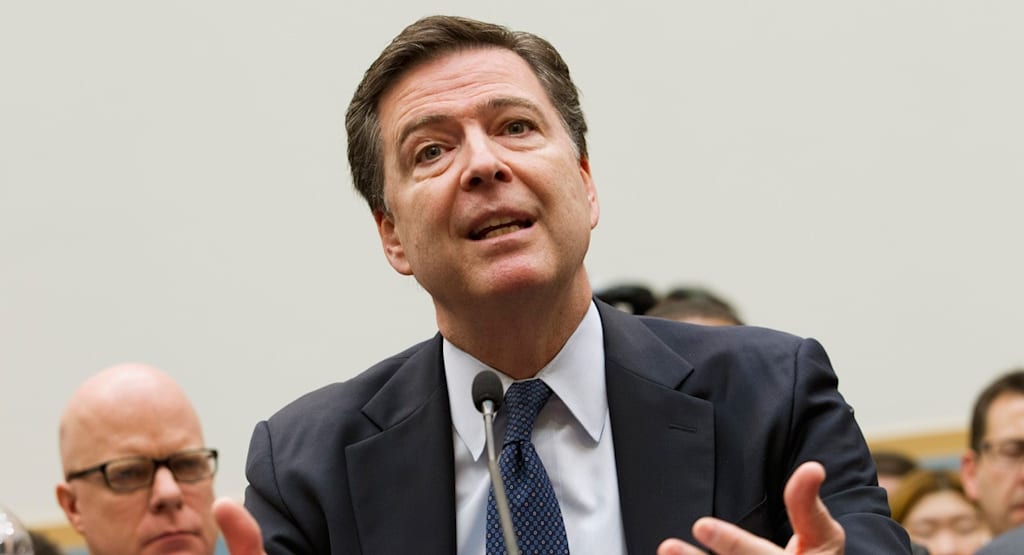
Some names stay in public memory not because of one moment, but because of the weight of many decisions. James Comey is one of those names. His time in leadership placed him at the center of some of the most sensitive political moments in recent American history. For some, he represents integrity and independence. For others, his actions remain deeply controversial. When people search for “james comey,” they are often trying to understand more than just his career. They are trying to make sense of decisions that shaped public trust, political narratives, and national debate. His story is not simple. It reflects the complexity of leadership under constant scrutiny.
Who Is James Comey?
James Comey is an American lawyer and former Director of the Federal Bureau of Investigation.
He was born on December 14, 1960, in Yonkers, New York.
Before leading the FBI, he built a career in law and public service.
He worked as a federal prosecutor and held senior roles in the Department of Justice.
These positions gave him experience in handling complex investigations.
They also placed him in situations where decisions carried significant consequences.
Early Career and Legal Foundations
Starting in Law
Comey began his career as a prosecutor.
This role involved building cases, presenting evidence, and working within strict legal frameworks.
It required attention to detail and a clear understanding of the law.
These early experiences shaped his approach to leadership.
Moving Into Government Leadership
He later served as Deputy Attorney General.
In this role, he was involved in high-level decisions affecting national security and law enforcement.
This period helped establish his reputation as someone willing to make difficult choices.
Becoming FBI Director
Appointment and Expectations
James Comey was appointed FBI Director in 2013.
The role carries significant responsibility.
The FBI handles investigations related to national security, crime, and public safety.
Leading such an organization requires balance.
Between transparency and confidentiality.
Between independence and accountability.
Building Public Image
During his early time as director, Comey was often seen as a steady figure.
He emphasized the importance of the rule of law.
He also spoke about the need for trust between institutions and the public.
The 2016 Election and Controversy
The Email Investigation
One of the most defining moments of Comey’s career was the investigation into Hillary Clinton’s use of a private email server.
This investigation drew widespread attention.
Comey’s public statements about it became a major point of debate.
Timing and Impact
The timing of certain announcements related to the investigation was heavily discussed.
Some argued that these decisions influenced public perception during the election.
Others believed he was following legal obligations.
This disagreement remains part of his legacy.
Relationship With Donald Trump
Early Interactions
After the 2016 election, Comey continued as FBI Director under President Donald Trump.
Their relationship quickly became a topic of interest.
It involved questions about independence and communication.
Dismissal From the FBI
In 2017, James Comey was dismissed from his position.
This decision sparked significant political debate.
It led to discussions about the independence of law enforcement agencies.
It also contributed to ongoing investigations and inquiries.
The Role of Public Trust
Why Trust Matters
Institutions like the FBI rely on public trust.
People need to believe that investigations are fair and unbiased.
When trust is questioned, it affects how decisions are perceived.
Comey’s Position
James Comey often spoke about the importance of integrity.
But his actions were interpreted differently by different groups.
This created a divide in public opinion.
Life After the FBI
Writing and Public Speaking
After leaving the FBI, Comey wrote books and participated in public discussions.
These platforms allowed him to share his perspective.
They also brought renewed attention to his decisions.
Continuing Influence
Even outside of government, his voice remains part of public conversation.
People continue to refer to his actions when discussing law enforcement and politics.
Why People Search for James Comey
Understanding Key Events
The keyword “james comey” is often searched in connection with major political events.
People want to understand his role in those moments.
Interest in Leadership Decisions
There is also curiosity about how leaders make difficult choices.
Comey’s career provides examples of decisions made under pressure.
The Complexity of Leadership
No Clear Answers
Leadership often involves situations where there is no perfect solution.
Every choice has consequences.
This was evident in Comey’s time as FBI Director.
Balancing Responsibilities
Leaders must balance legal obligations with public expectations.
This balance is not always easy to maintain.
It requires judgment and experience.
Criticism and Support
Supporters’ Perspective
Some people view James Comey as someone who tried to uphold legal standards.
They believe he acted based on his understanding of duty.
Critics’ Perspective
Others argue that his decisions had political consequences.
They question whether those decisions were handled appropriately.
This divide reflects broader disagreements about leadership and accountability.
Lessons From James Comey’s Career
1. Decisions Have Lasting Effects
Actions taken in leadership roles can influence events for years.
This makes careful consideration essential.
2. Public Perception Matters
Even when decisions follow rules, how they are perceived can vary.
Communication plays a key role.
3. Leadership Requires Independence
Maintaining independence is important for credibility.
But it can also create tension with other institutions.
4. Complexity Is Part of Public Service
There are rarely simple answers.
Understanding complexity helps create more balanced views.
A Broader Reflection on Institutions
The Role of the FBI
The FBI plays a central role in maintaining law and order.
Its work often involves sensitive information.
This requires trust and professionalism.
Accountability and Transparency
Balancing transparency with confidentiality is a constant challenge.
Too much secrecy can reduce trust.
Too much openness can affect investigations.
Looking Ahead
James Comey’s role in public discussion continues.
New developments in politics and law may bring his name back into focus.
His career remains a reference point for discussions about leadership and accountability.
Final Thoughts
James Comey is a figure whose career reflects both achievement and controversy.
His time as FBI Director placed him at the center of important national events.
His decisions continue to be analyzed and debated.
For those searching “james comey,” the story goes beyond one moment.
It becomes a broader reflection on leadership, responsibility, and the challenges of making decisions under pressure.
In the end, his legacy is not defined by a single action.
It is shaped by the ongoing conversation about what leadership means in complex times.
About the Creator
Muqadas khan
Hi! Welcome to my Vocal page. I’ll be sharing fresh articles every day covering stories, ideas, and a bit of inspiration to brighten your feed. Thanks for reading and supporting daily writing! 📖💫
Enjoyed the story? Support the Creator.
Subscribe for free to receive all their stories in your feed.
Comments
There are no comments for this story
Be the first to respond and start the conversation.