
Israeli strikes kill at least four, including children, across Gaza Strip
Renewed violence intensifies humanitarian concerns as civilians continue to bear the burden of the conflict
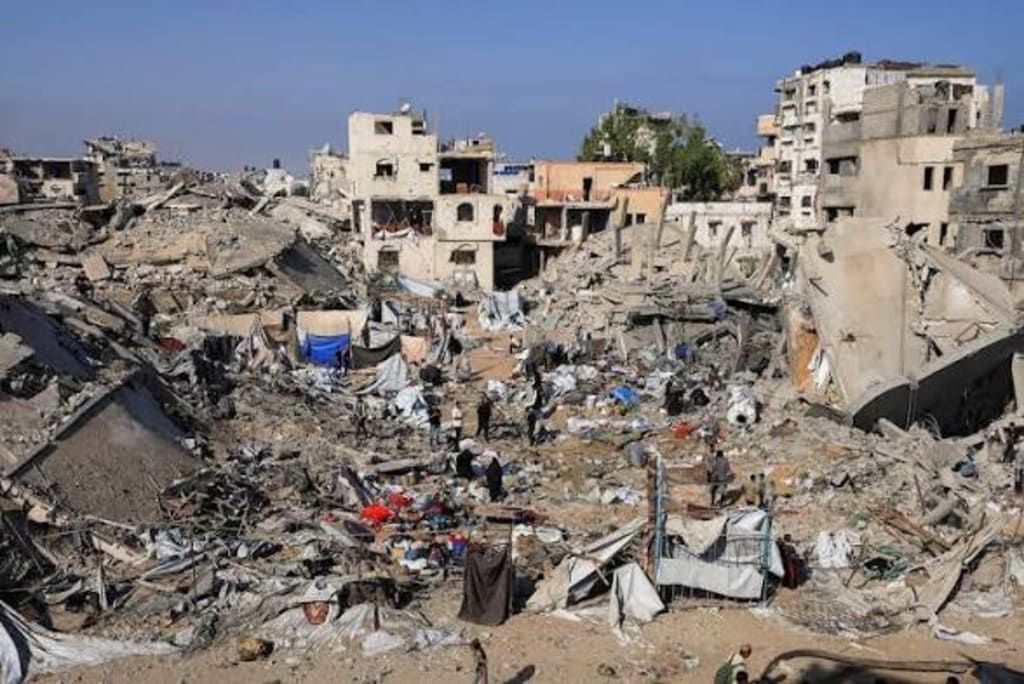
At least four people, including children, were reported killed in Israeli strikes across the Gaza Strip, according to local officials and medical sources, as the conflict continued to exact a heavy toll on civilians living in the densely populated territory. The latest attacks come amid ongoing hostilities that have caused widespread destruction, displacement, and growing international concern over the humanitarian situation.
Emergency services and medical teams responded to multiple locations following reports of strikes in different parts of Gaza. Witnesses described scenes of chaos as rescue workers searched damaged buildings and transported the injured to nearby hospitals. Health facilities, already operating under significant pressure, continued to struggle with shortages of medical supplies, equipment, and personnel.
The reported deaths of children have once again drawn attention to the human cost of the conflict. Families living in affected areas face constant uncertainty as military operations continue, with many civilians forced to move repeatedly in search of safer locations. Humanitarian organizations have warned that children remain among the most vulnerable victims of the ongoing violence.
Israeli military operations in Gaza have been carried out as part of broader efforts against armed groups operating in the territory. Israeli authorities have stated that military actions are aimed at targeting militants, weapons infrastructure, and command centers. However, the proximity of military targets to civilian areas has contributed to concerns about the risk of civilian casualties.
The Gaza Strip is one of the most densely populated areas in the world, making military operations particularly complex. Residential neighborhoods, schools, hospitals, and public facilities are often located close to areas of strategic interest. Human rights organizations and international observers have repeatedly stressed the importance of protecting civilians and adhering to international humanitarian law.
Residents described hearing explosions during the night and early morning hours, followed by the sound of emergency vehicles rushing toward affected locations. In several areas, families gathered near damaged buildings hoping for news of missing relatives. The emotional impact of repeated attacks has become a defining feature of daily life for many people in Gaza.
The humanitarian situation in the territory continues to deteriorate as fighting disrupts access to food, clean water, electricity, and healthcare. International aid organizations have warned that prolonged conflict is increasing the risk of disease, malnutrition, and long-term social and economic damage. Many civilians depend heavily on humanitarian assistance to meet basic needs.
Global leaders and international organizations have repeatedly called for measures to protect civilians and reduce suffering. Diplomatic efforts aimed at securing ceasefires or humanitarian pauses have faced significant challenges, with both sides maintaining positions that complicate negotiations. Despite periodic efforts to reduce tensions, violence has continued in many areas.
The latest strikes are part of a broader cycle of conflict that has affected generations of Israelis and Palestinians. Decades of political disputes, security concerns, and failed peace initiatives have contributed to recurring outbreaks of violence. Each new escalation deepens mistrust and creates additional obstacles to achieving a lasting resolution.
Medical workers in Gaza have continued operating under difficult conditions. Hospitals face increasing numbers of casualties while dealing with limited resources and damaged infrastructure. Healthcare professionals have repeatedly appealed for greater access to medical supplies and humanitarian support.
Children have been particularly affected by the conflict. Beyond the immediate dangers posed by military operations, many young people have experienced displacement, interrupted education, psychological trauma, and the loss of family members. Aid organizations warn that the long-term effects on mental health and development may continue long after the violence subsides.
International observers have emphasized the importance of independent investigations into incidents involving civilian casualties. Accurate documentation and accountability are viewed as essential components of efforts to uphold international law and protect noncombatants during armed conflict.
The ongoing violence has also affected regional stability. Neighboring countries and international partners continue to monitor developments closely, concerned that further escalation could increase tensions across the wider Middle East. Diplomatic initiatives remain focused on reducing hostilities and preventing a broader crisis.
For ordinary civilians in Gaza, however, the immediate concern is survival. Families continue to navigate dangerous conditions while seeking shelter, food, medical care, and safety. Many residents describe living with constant fear as uncertainty surrounds each passing day.
As rescue teams continue assessing the aftermath of the latest strikes, humanitarian organizations are renewing calls for increased assistance and stronger protections for civilians. The deaths reported in the latest attacks add to a growing toll that has drawn attention from governments, aid agencies, and human rights groups around the world.
While political leaders debate solutions and military objectives, the impact of the conflict remains most visible among ordinary people whose lives have been disrupted by violence. The latest casualties, including children, serve as another reminder of the profound human consequences of a conflict that continues to shape the lives of millions across the region.
About the Creator
Enjoyed the story? Support the Creator.
Subscribe for free to receive all their stories in your feed.
Comments
There are no comments for this story
Be the first to respond and start the conversation.