
Israel rejects Trump's 15-point plan for Gaza, Netanyahu says
Israel’s prime minister says Israeli forces will not withdraw from Gaza until Hamas is fully disarmed, creating a major obstacle for the Trump administration’s latest peace initiative.
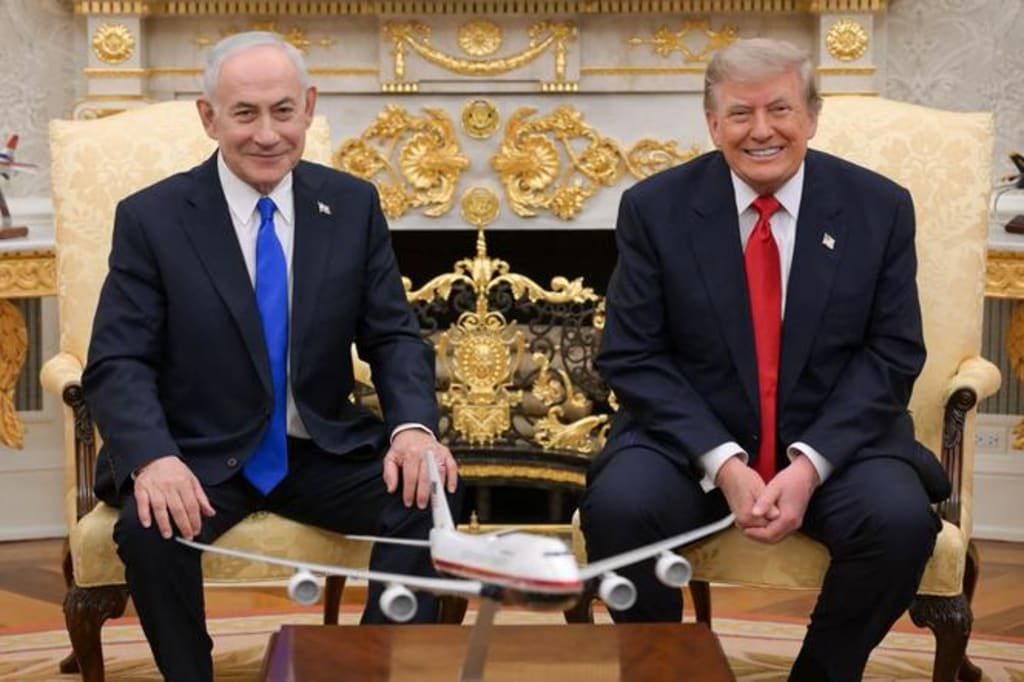
designed to create the conditions for such reconstruction. The plan envisions international involvement and a new Palestinian administrative mechanism intended to move Gaza away from permanent conflict.
However, previous efforts have already encountered serious obstacles. Analysts have noted that negotiations over Hamas disarmament have remained a major barrier to reconstruction and implementation of the broader Gaza framework.
As long as the question of weapons remains unresolved, international donors and governments may remain cautious about committing large-scale resources to reconstruction.
Political Pressure Inside Israel
Netanyahu’s position is also connected to domestic Israeli politics.
The Israeli prime minister faces pressure from competing political forces. Some members of his governing coalition have strongly opposed arrangements that could allow Hamas to retain any military capability or that could eventually lead toward Palestinian political sovereignty.
Netanyahu has therefore attempted to balance American diplomatic expectations with the demands of his political supporters and Israel’s security establishment. His rejection of the 15-point plan could strengthen his position among Israelis who believe that Hamas must be completely dismantled before any major withdrawal.
At the same time, continued disagreement with Washington could create diplomatic complications for Israel, particularly if the Trump administration wants to accelerate implementation of its Gaza strategy.
What Happens Next?
The rejection does not necessarily mean that diplomacy has completely collapsed. The United States, Israel, Hamas and regional mediators could still negotiate changes to the proposal.
One possible path would involve establishing more detailed verification mechanisms for Hamas disarmament. International observers or a stabilization force could potentially be given responsibility for monitoring weapons transfers and security arrangements. Such mechanisms could help address Israeli concerns while giving Hamas and Palestinian representatives greater confidence that an Israeli withdrawal would actually take place.
The biggest challenge remains trust.
Israel wants guarantees that Hamas cannot rebuild its military infrastructure. Hamas and Palestinians want guarantees that an Israeli withdrawal will occur and that Gaza will not remain under permanent military control. International mediators must somehow bridge those competing demands.
A Critical Moment for Gaza Diplomacy
Israel’s rejection of Trump’s 15-point Gaza plan is therefore more than a disagreement over a diplomatic document. It exposes the fundamental obstacle facing every attempt to establish lasting peace in Gaza: the lack of agreement over security, disarmament, Israeli withdrawal and Palestinian governance.
For Trump, the immediate challenge will be persuading Israel that the proposed framework can protect Israeli security while still allowing Gaza to move toward reconstruction. For Netanyahu, the challenge is demonstrating that his uncompromising position can produce long-term security without permanently blocking diplomatic progress.
For Palestinians in Gaza, the stakes are even higher. After years of war, displacement and destruction, the prospect of reconstruction depends heavily on whether political leaders can resolve the disputes preventing the next stage of the peace process.
The coming negotiations will determine whether the 15-point proposal becomes the foundation for a new Gaza arrangement or another failed attempt to break the region’s cycle of war. For now, Netanyahu’s message is unmistakable: Israel will not accept a withdrawal from Gaza unless Hamas is genuinely disarmed.Regional and International Implications
The dispute could also affect the wider Middle East. Arab governments have repeatedly stressed the need for a credible political future for Palestinians alongside security guarantees for Israel. Countries involved in mediation may now face greater pressure to find a compromise acceptable to both sides. Meanwhile, European governments and international organizations are likely to closely monitor whether the proposed framework can deliver humanitarian assistance and reconstruction. Any prolonged stalemate could increase instability, delay rebuilding projects and deepen public frustration. The coming diplomatic discussions will therefore be critical, as even limited progress could create momentum toward a broader ceasefire and a more sustainable political settlement.
About the Creator
Enjoyed the story? Support the Creator.
Subscribe for free to receive all their stories in your feed.
Comments
There are no comments for this story
Be the first to respond and start the conversation.