
Iran war live: Trump cancels attack, says ‘perimeters of a deal’ agreed
Diplomatic breakthrough averts immediate military action as Washington and Tehran explore a potential peace framework. Tensions ease in the Middle East after Trump announces cancellation of planned strike and signals progress in negotiations. Fears of wider regional conflict diminish as both sides move toward a possible agreement. Last-minute diplomacy halts planned U.S. attack, raising hopes for de-escalation and stability. Global markets and regional leaders react cautiously as prospects for a U.S.-Iran deal emerge.
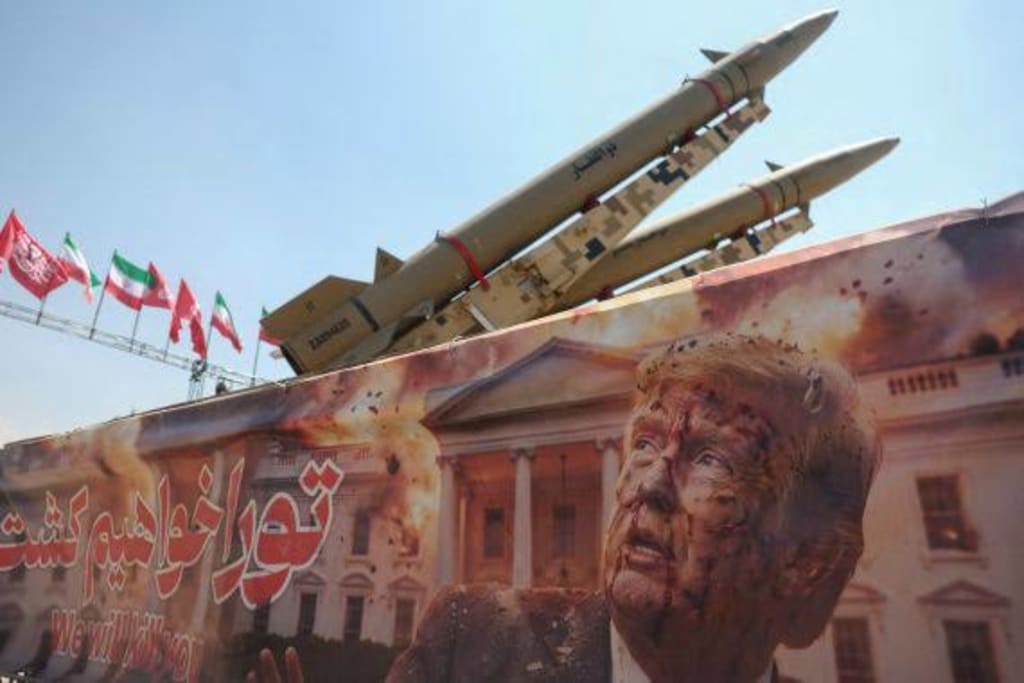
In a dramatic turn of events that could reshape the trajectory of the Iran conflict, U.S. President Donald Trump announced that a planned military strike against Iran has been canceled after what he described as the “perimeters of a deal” were agreed upon by key parties involved in the crisis. The announcement came amid escalating regional tensions, military preparations, and fears that the Middle East could be pushed into a wider and more destructive conflict.
According to Trump, the United States had been prepared to launch a significant military operation against Iranian targets. However, diplomatic communications involving Iran and several regional actors reportedly produced enough progress to halt the attack before it was carried out. Trump stated that discussions had reached a stage where a framework for peace appeared possible, making immediate military action unnecessary.
The decision follows months of confrontation between Washington and Tehran. Military exchanges, threats of retaliation, and disruptions to regional security have intensified concerns among governments and international organizations. The strategic Strait of Hormuz, one of the world's most important energy corridors, has remained a central point of dispute throughout the conflict. Any disruption to shipping through the waterway has the potential to affect global energy markets and international trade.
Trump indicated that the emerging agreement would include measures aimed at restoring stability and ensuring freedom of navigation in the region. Reports suggest that reopening critical maritime routes and addressing concerns surrounding Iran’s nuclear activities are among the issues being discussed. While details remain limited, administration officials have portrayed the development as a significant diplomatic breakthrough.
The announcement came shortly after Iranian officials warned that any new military action by the United States or its allies would trigger a decisive response. Tehran has repeatedly stated that it would defend its territory and strategic interests against external aggression. Such warnings raised fears that a new round of strikes could quickly escalate into a broader regional war involving multiple countries and armed groups.
Regional governments have been closely monitoring developments. Several Middle Eastern nations have urged restraint, emphasizing the economic and security consequences of a prolonged conflict. Diplomatic sources indicate that behind-the-scenes negotiations have intensified in recent days as leaders sought to prevent further escalation and create conditions for renewed dialogue.
Financial markets reacted cautiously to the news. Energy traders, who had been preparing for potential disruptions to oil supplies, viewed the cancellation of the planned strike as a positive signal. Analysts noted that any reduction in military tensions around the Gulf could help stabilize energy prices and reduce uncertainty for international investors. However, many observers remain cautious, noting that previous ceasefires and diplomatic initiatives have struggled to produce lasting results.
Despite the optimistic tone surrounding the announcement, major questions remain unanswered. Iranian authorities have not publicly confirmed all aspects of the framework described by Trump. Differences over sanctions, nuclear oversight, regional security arrangements, and military activities continue to pose significant obstacles to a comprehensive agreement. Diplomats familiar with the negotiations caution that reaching a preliminary understanding is only the first step in what could be a lengthy and complicated process.
International reactions have been mixed. Some governments welcomed the apparent move toward diplomacy, arguing that dialogue remains the best path to avoiding further bloodshed. Others stressed the need for verification and concrete commitments before declaring the crisis resolved. Global powers continue to monitor developments closely because instability in the Gulf has implications far beyond the region itself.
Security experts note that the cancellation of the attack does not necessarily mean the threat of military action has disappeared. The United States and its allies continue to maintain a strong military presence in the region, and officials have indicated that all options remain available should negotiations fail. Trump himself emphasized that military plans could be reconsidered if diplomatic efforts collapse or if regional security deteriorates.
For now, however, the focus has shifted from the battlefield to the negotiating table. The coming days are expected to be critical as diplomats work to transform broad principles into a formal agreement. Success could mark one of the most significant diplomatic achievements in the region in recent years. Failure, on the other hand, could return the crisis to a dangerous path of confrontation and retaliation.
As the world watches closely, the cancellation of the planned strike offers a temporary pause in a conflict that has threatened regional stability for months. Whether this moment becomes the foundation for lasting peace or merely a brief interruption in hostilities will depend on the willingness of all sides to translate diplomatic promises into concrete actions.
About the Creator
Enjoyed the story? Support the Creator.
Subscribe for free to receive all their stories in your feed.
Comments
There are no comments for this story
Be the first to respond and start the conversation.