
Iran Publicly Hangs 2 Protesters, Rights Groups Say
The public executions have intensified global scrutiny of Iran's handling of anti-government protests and its use of capital punishment.
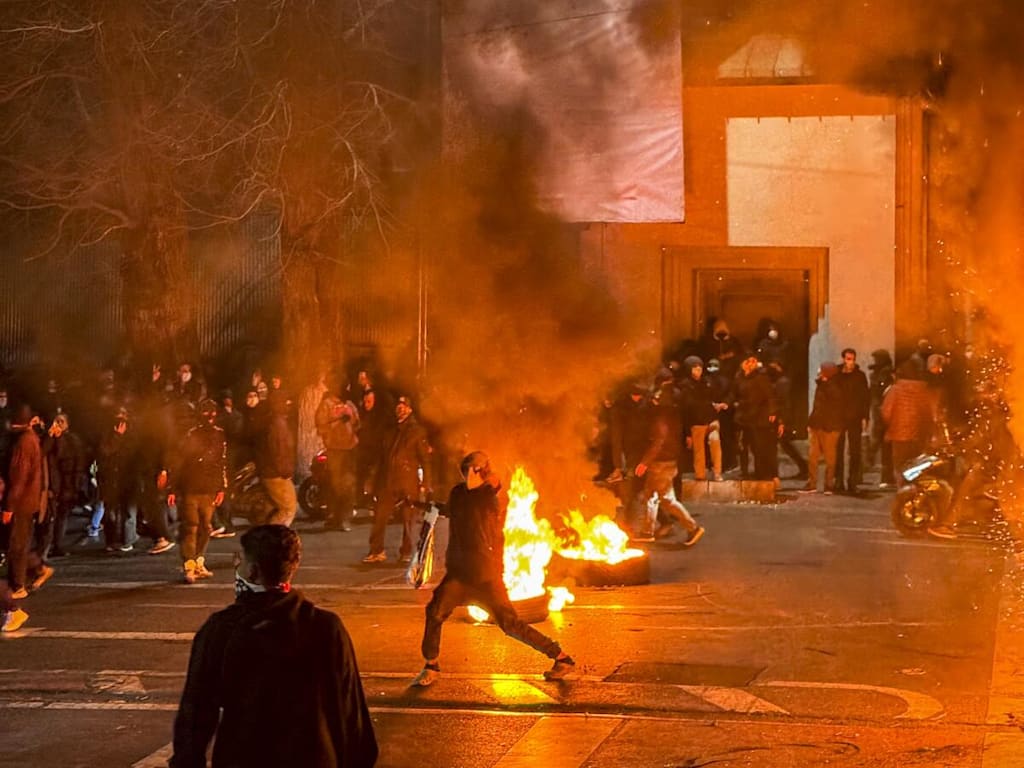
Tehran, Iran — Iran has publicly executed two men accused of involvement in anti-government protests, a move that has drawn widespread condemnation from international human rights organizations and renewed concerns over the country's use of the death penalty in cases linked to political unrest. The executions, reportedly carried out in the central city of Isfahan, have intensified international scrutiny of Iran's response to protests and its broader human rights record.
According to Iranian authorities, the two men were convicted of participating in violent incidents that occurred during nationwide demonstrations. State media reported that the individuals were found guilty of charges connected to the deaths of security personnel during clashes between protesters and law enforcement officers. Officials stated that the executions were conducted following judicial proceedings and represented the implementation of legally issued court rulings.
The Iranian government has maintained that those convicted were involved in serious criminal acts and that the judicial process followed national laws and legal procedures. Authorities have repeatedly emphasized that the actions taken were intended to uphold public security and ensure accountability for violence committed during periods of unrest. Government representatives have also argued that the judiciary acts independently and that decisions are based on evidence presented during trials.
Human rights organizations, however, have strongly challenged these claims. Groups such as Amnesty International and other advocacy organizations have questioned the fairness of the trials and raised concerns about alleged violations of due process. Critics contend that the defendants were denied adequate legal representation and that confessions used as evidence may have been obtained under coercion or torture. Rights advocates argue that the executions reflect a broader pattern of using harsh punishments to discourage public dissent and suppress opposition voices.
Reports indicate that the executions were carried out publicly, a practice that has become increasingly uncommon in many parts of the world. Witness accounts cited by several media organizations described a significant security presence in the area before and during the executions. Human rights groups have condemned the public nature of the hangings, arguing that such displays are designed to send a warning to potential protesters and create an atmosphere of fear among the population.
The incident comes amid continuing tensions within Iran, where anti-government demonstrations have emerged periodically in response to economic difficulties, political grievances, and demands for greater civil freedoms. In recent years, protests have been driven by concerns over inflation, unemployment, restrictions on personal freedoms, and dissatisfaction with government policies. Demonstrations have often been met with strong responses from security forces, leading to arrests, injuries, and, in some cases, deaths.
International observers have documented thousands of arrests linked to protest activity across the country. Human rights organizations have repeatedly called on Iranian authorities to respect the rights of peaceful demonstrators and to ensure that detainees receive fair treatment under the law. Concerns regarding transparency in legal proceedings and conditions in detention facilities have remained central issues in discussions about Iran's human rights practices.
Iranian officials reject many of these criticisms and insist that security measures are necessary to maintain national stability. Government representatives have frequently accused foreign powers and external actors of encouraging unrest within the country. Authorities argue that actions taken against individuals involved in violence are aimed at protecting public safety rather than restricting legitimate political expression.
Nevertheless, critics maintain that the country's judicial system faces significant challenges when handling politically sensitive cases. Human rights experts have highlighted concerns about access to independent legal counsel, transparency during trials, and allegations of mistreatment while in custody. International advocacy groups have called for greater oversight and reforms to ensure compliance with internationally recognized legal standards.
The latest executions have prompted reactions from governments, international organizations, and civil society groups around the world. Several human rights organizations have urged the international community to increase diplomatic pressure on Tehran and closely monitor developments. Calls have also been made for independent investigations into allegations of torture, coerced confessions, and other reported violations of due process.
Meanwhile, reports suggest that tensions remain high within parts of Iran's prison system. Rights groups have documented hunger strikes and other forms of protest by inmates seeking to draw attention to concerns about executions and prison conditions. Activists argue that the growing use of capital punishment reflects a broader effort to silence criticism and discourage political activism.
Iran remains among the countries that carry out a significant number of executions each year. Human rights organizations have long criticized the extensive use of the death penalty, particularly in cases involving political dissent, national security offenses, and other serious crimes. International bodies continue to encourage Iranian authorities to adopt reforms that would reduce reliance on capital punishment and strengthen protections for defendants throughout the judicial process.
For many observers, the public execution of the two protesters represents more than a single legal case. It has become a symbol of the broader struggle between state authority and citizens seeking political and social change. Supporters of the government argue that maintaining security and public order is essential for national stability, while critics contend that harsh punishments risk deepening divisions and fueling further unrest.
As debate continues over the fairness of the trials and the broader implications of the executions, the incident is likely to remain a focal point in discussions about human rights, freedom of expression, and governance in Iran. With international attention once again focused on the country's handling of dissent, the consequences of these executions may extend beyond the individuals involved, shaping both domestic discourse and global perceptions of Iran's political and legal system.
About the Creator
Enjoyed the story? Support the Creator.
Subscribe for free to receive all their stories in your feed.
Comments
There are no comments for this story
Be the first to respond and start the conversation.