
if Italy fails to lift border controls after Ceuta crossings
Italy faces growing pressure over border restrictions as European nations debate migration management, security concerns, and the future of free movement.
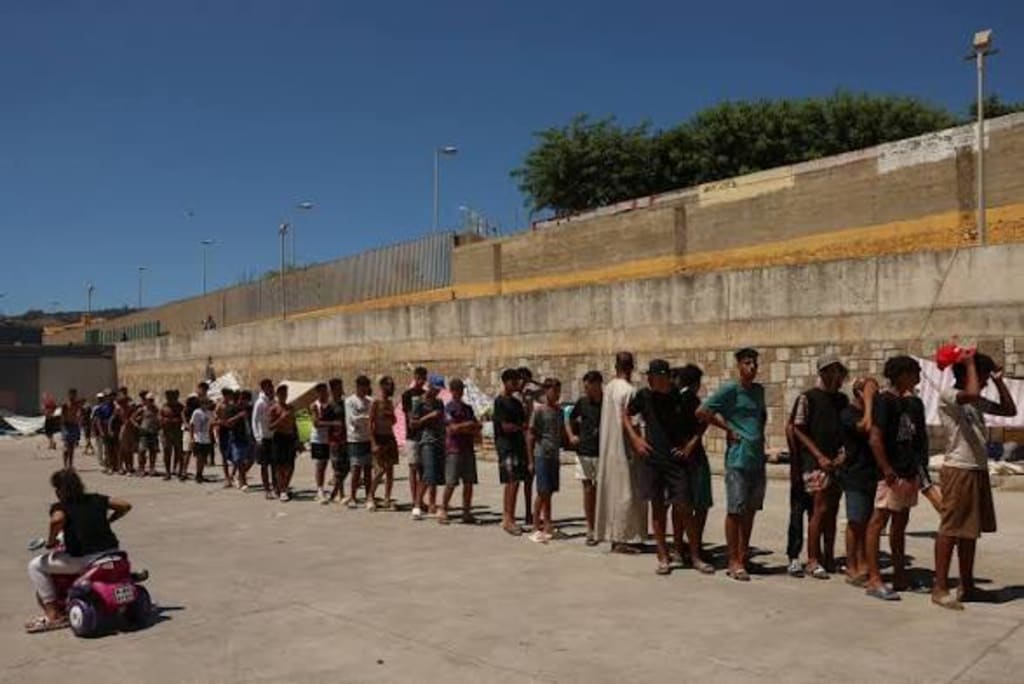
Italy’s approach to border controls is under increasing scrutiny as European countries continue to debate how to balance migration management with the principles of free movement and regional cooperation. The issue has gained renewed attention following developments linked to migration pressures, including incidents involving crossings into Ceuta, the Spanish territory bordering Morocco, which have highlighted wider challenges facing Europe’s border policies.
The possibility that Italy could maintain or extend border controls has raised concerns among European officials, businesses, travelers, and policymakers. While governments argue that temporary restrictions may be necessary to address security challenges and irregular migration, critics warn that prolonged border checks could weaken cooperation within the European Union’s Schengen Area.
The Schengen system allows citizens and residents of participating countries to travel across internal borders with minimal restrictions. It is considered one of Europe’s most important achievements, supporting tourism, trade, employment, and daily movement for millions of people. However, the agreement also allows countries to temporarily reintroduce border checks under specific circumstances, including serious security threats or exceptional migration pressures.
Italy has previously introduced border controls in response to concerns over irregular migration, organized crime, and security risks. Officials have argued that monitoring borders is essential to protect national interests while ensuring that migration systems remain manageable.
The debate intensified as European nations faced continued pressure from migration routes across the Mediterranean and other entry points. Ceuta crossings became a symbol of the broader challenges facing Europe, with thousands of migrants attempting to enter Spanish territory in search of safety, employment opportunities, or improved living conditions.
Although Ceuta is geographically linked to Spain rather than Italy, migration developments in one part of Europe often influence policies elsewhere. Countries located along major migration routes frequently call for stronger cooperation, shared responsibility, and more effective border management across the European Union.
If Italy decides not to lift border controls, the decision could have economic and political consequences. Businesses that rely on smooth transportation across European borders may face delays, increased costs, and logistical challenges. Trucking companies, tourism operators, and cross-border workers are among those most affected by additional checks.
Travelers may also experience longer waiting times at airports, train stations, and road crossings. While authorities typically attempt to minimize disruption, increased inspections can affect thousands of daily journeys, especially in regions with strong connections between neighboring countries.
Supporters of continued border controls argue that governments have a responsibility to protect citizens and maintain security. They believe stricter monitoring can help authorities identify illegal crossings, prevent criminal activity, and improve control over migration flows.
However, opponents argue that extended border restrictions risk damaging European unity. They emphasize that migration challenges require coordinated solutions rather than individual national measures. According to critics, maintaining internal borders for long periods could undermine one of the EU’s most valued achievements.
Migration remains one of Europe’s most politically sensitive issues. Governments face pressure from different sides: some voters demand stronger controls and stricter immigration policies, while others call for humanitarian approaches and better integration programs for migrants.
Italy, as one of the main entry points for migrants arriving by sea, has repeatedly called for greater support from European partners. Italian officials have argued that frontline countries should not carry the responsibility of managing migration alone.
European leaders have attempted to develop common strategies, including stronger external border protection, cooperation with neighboring countries, legal migration pathways, and faster asylum procedures. However, disagreements between member states continue to make consensus difficult.
Security experts say border controls alone cannot solve complex migration challenges. They argue that long-term solutions require addressing the causes of migration, including conflict, economic instability, climate pressures, and political insecurity in countries of origin.
Human rights organizations have also raised concerns about the impact of strict border policies on vulnerable migrants. They emphasize the importance of ensuring access to asylum procedures and protecting individuals fleeing dangerous situations.
The situation highlights a broader question facing Europe: how can countries maintain security while preserving openness and cooperation? Finding a balance between these priorities remains one of the biggest challenges for European policymakers.
Italy’s future decisions on border controls will likely influence discussions across the European Union. Other countries may consider similar measures if migration pressures increase, potentially creating wider debates about the future of the Schengen system.
At the same time, European economies depend heavily on open borders. Millions of workers, companies, and tourists benefit from the ability to move freely across countries. Any changes to border policies must therefore consider both security needs and economic realities.
As migration patterns continue to evolve, European governments will need to adapt their strategies. Cooperation between countries, improved border technology, effective asylum systems, and humanitarian support will all play important roles in shaping future policies.
The debate following Ceuta crossings demonstrates that migration is not only a national issue but a European-wide challenge. Whether Italy lifts its border controls or maintains them, the decision will contribute to a larger conversation about security, migration, and the future of free movement in Europe.
For now, policymakers remain focused on finding solutions that protect borders while preserving the cooperation that has defined Europe for decades. The outcome of this debate will likely influence migration policies across the continent for years to come.
SEO Keywords: Italy border controls, Ceuta migration crossings, European migration crisis, Schengen border rules, Italy immigration policy, Europe border security, migrant crossings Europe, EU migration debate.
About the Creator
Enjoyed the story? Support the Creator.
Subscribe for free to receive all their stories in your feed.
Comments
There are no comments for this story
Be the first to respond and start the conversation.