
How 50,000 People Surged Into a Spanish Exclave in Africa
A look at the migration pressures, geography, and political tensions behind one of Europe’s most challenging border situations
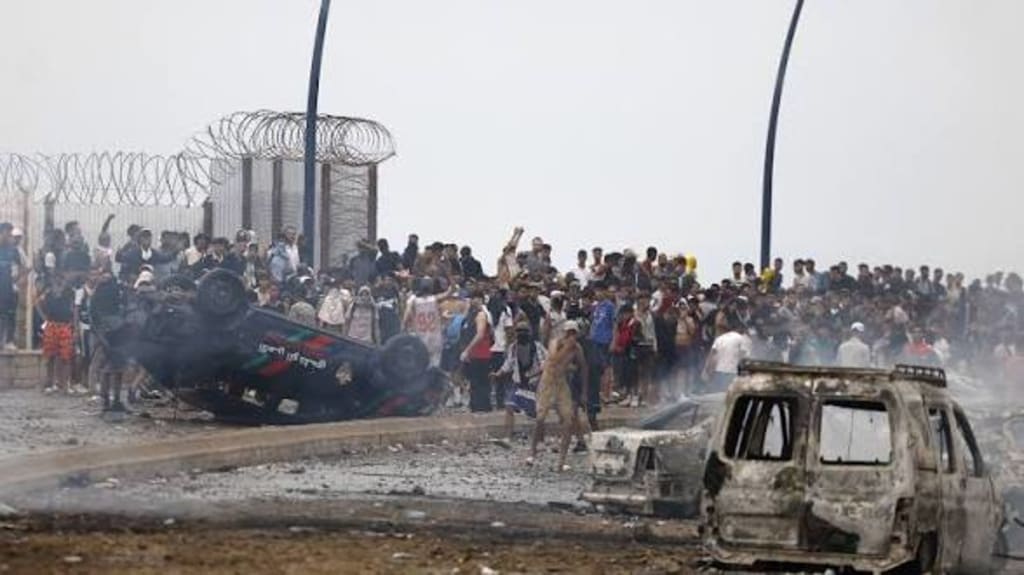
The movement of approximately 50,000 people toward a Spanish exclave in Africa represents one of the most striking examples of the complex migration challenges facing Europe. The event highlighted the unique geographical position of Spain’s African territories, the desperation of migrants seeking better opportunities, and the difficult balance between border security, humanitarian responsibilities, and international cooperation.
Spain’s two autonomous cities in North Africa, Ceuta and Melilla, have long been focal points in migration discussions. Located on the northern coast of Africa and surrounded by Moroccan territory, these areas represent the only land borders of the European Union on the African continent. For many migrants from different parts of Africa and beyond, reaching these territories is viewed as a possible pathway toward entering Europe.
The surge of people toward the Spanish exclave was driven by a combination of economic hardship, political instability, conflict, and hopes for a safer future. Many migrants travel thousands of kilometers through dangerous routes, facing harsh conditions, exploitation, and uncertainty. Their journeys often involve crossing deserts, navigating unstable regions, and depending on informal networks to continue moving north.
The geography of Ceuta and Melilla makes them especially significant. Although they are physically located in Africa, they are legally part of Spain and therefore part of the European Union. This unique status creates a powerful attraction for migrants who see these territories as gateways to European opportunities, including employment, education, and security.
Border security has been one of the biggest challenges for Spanish authorities. The borders around Ceuta and Melilla include high fences, surveillance systems, and security forces designed to prevent unauthorized crossings. However, large groups of migrants have repeatedly attempted to enter, sometimes overwhelming border systems through coordinated movements.
The arrival of large numbers of people creates immediate humanitarian challenges. Authorities must provide temporary shelter, medical assistance, food, and legal processing while determining each individual’s situation. Human rights organizations have frequently called for humane treatment of migrants and emphasized the importance of respecting international protection laws.
At the same time, local communities in the Spanish territories experience significant pressure during major migration events. Sudden increases in arrivals can affect public services, security planning, and social resources. Local officials often call for greater support from national governments and European institutions to manage the situation effectively.
The issue has also become a major political topic in Spain and across Europe. Different political groups have offered contrasting solutions. Some argue for stronger border controls and stricter migration policies, while others emphasize the need for expanded legal migration pathways, international aid, and cooperation with countries of origin and transit.
Morocco plays a central role in managing migration toward Spain’s African territories. Spanish and Moroccan authorities have cooperated on border management, security operations, and efforts to reduce irregular migration. However, migration flows can change quickly depending on regional conditions, diplomatic relations, and economic circumstances.
The large movement of people toward the exclave also reflects broader global migration trends. Climate change, economic inequality, armed conflicts, and political instability are increasing pressure on vulnerable populations worldwide. Many migrants are not simply seeking economic improvement but are responding to difficult conditions that threaten their safety and future prospects.
For migrants themselves, reaching a European border often represents years of struggle and personal sacrifice. Many have left behind families, careers, and communities in search of stability. However, arriving at the border does not guarantee entry into Europe. Some face detention, legal uncertainty, or return procedures depending on their individual circumstances and applicable laws.
The situation has sparked debate about how Europe should respond to migration challenges in the future. Experts argue that managing migration requires more than border enforcement alone. They highlight the importance of addressing the root causes of migration, supporting development in affected regions, and creating safer legal routes for people seeking opportunities abroad.
The European Union has also faced pressure to develop a more coordinated migration strategy. Because border countries often experience the greatest impact, debates continue over how responsibility should be shared among member states. Some countries argue for stronger collective action, while others prefer greater national control over migration policies.
The surge of 50,000 people toward a Spanish exclave in Africa is therefore not an isolated event. It represents a much larger global issue involving human movement, international borders, economic inequality, and political responsibility. The challenge requires cooperation between countries, careful planning, and policies that recognize both security concerns and humanitarian needs.
In conclusion, the migration pressure experienced by Spain’s African territories demonstrates the complexity of modern border challenges. The combination of geography, desperation, and political debate has made Ceuta and similar locations symbols of Europe’s wider migration struggle. Finding sustainable solutions will require balancing effective border management with compassion, international cooperation, and long-term efforts to address the reasons why people leave their homes in search of a better life.
About the Creator
Enjoyed the story? Support the Creator.
Subscribe for free to receive all their stories in your feed.
Comments
There are no comments for this story
Be the first to respond and start the conversation.