
Heathrow Says Need for Expansion Is “Clear” as Istanbul Takes Europe’s Busiest Airport Title
Heathrow’s Loss of Europe’s Busiest Airport Title Raises Fresh Questions About Expansion Istanbul’s Rapid Growth Puts New Pressure on Heathrow to Build a Third Runway Britain’s Aviation Hub Faces Growing Competition as Istanbul Airport Surges Ahead Capacity Constraints at Heathrow Highlight the UK’s Urgent Airport Expansion Debate Heathrow’s Future Comes Under Spotlight as Istanbul Emerges as Europe’s Aviation Leader
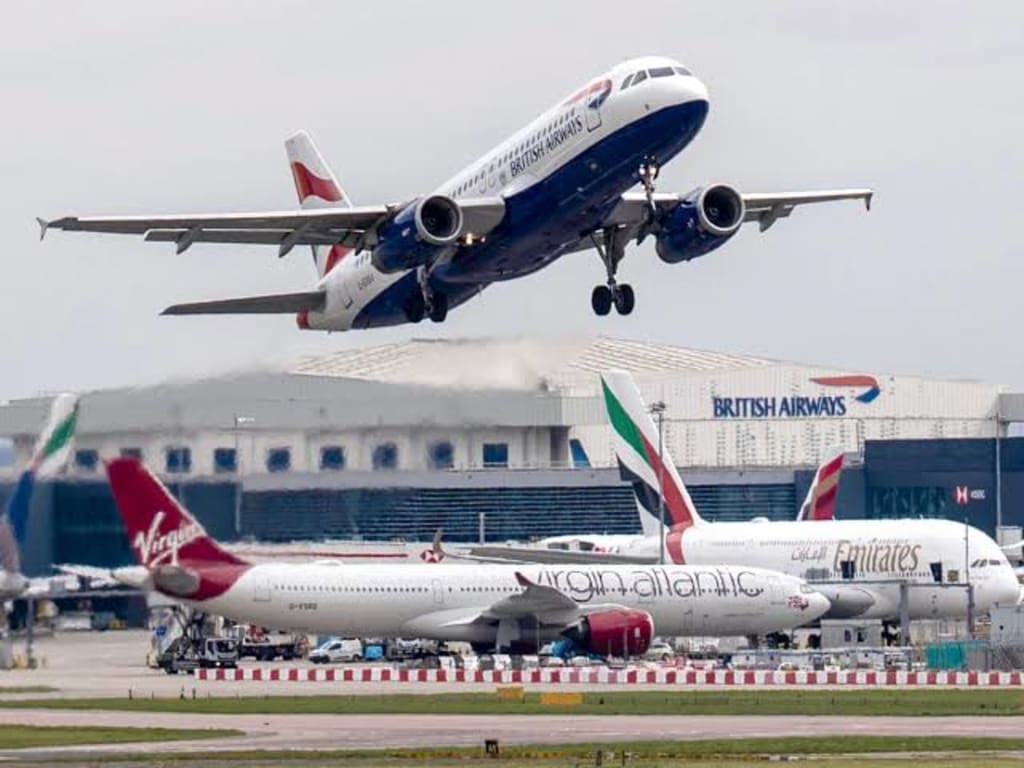
Meta Description: Heathrow Airport has lost its position as Europe’s busiest airport to Istanbul, strengthening its argument for expansion and a proposed third runway.
London Heathrow has lost its long-standing position as Europe’s busiest airport after Istanbul Airport handled more passengers in July 2026. The development has renewed pressure on the UK to address airport capacity constraints and has strengthened Heathrow’s argument that expansion is increasingly necessary.
According to the latest passenger figures, Heathrow handled approximately 7.86 million passengers in July, while Istanbul Airport recorded around 8.15 million. The difference marks an important moment for European aviation because Heathrow has historically been one of the continent’s most important international hubs.
Istanbul’s Rapid Growth Changes the European Aviation Landscape
Istanbul Airport has experienced strong growth since opening and has increasingly challenged Heathrow’s position as a major European aviation hub. Its geographical location provides airlines with opportunities to connect Europe, Asia, the Middle East and Africa.
Earlier in 2026, Istanbul had already overtaken Heathrow in monthly passenger traffic. Airports Council International Europe reported that Istanbul handled about 6.9 million passengers in January, compared with 6.5 million at Heathrow. The organisation highlighted Heathrow’s capacity constraints as a major factor limiting its growth.
The latest July figures demonstrate that the competition is no longer simply a warning about the future. Istanbul is now capable of exceeding Heathrow in actual monthly passenger numbers.
For Heathrow, the development represents both a symbolic loss and a strategic challenge.
Heathrow’s Capacity Problem
Heathrow operates with two runways and has been functioning close to its practical capacity for years. Its management argues that demand for international air travel continues to grow while the airport has limited opportunities to increase the number of flights using its existing infrastructure.
Heathrow’s chief executive, Thomas Woldbye, previously warned that Istanbul could overtake the London airport because of the difference in available capacity. Reuters reported in February that Heathrow was operating near full capacity, while Istanbul had five runways available.
The airport now says the latest figures make the case for expansion even clearer.
The central proposal is the construction of a third runway, which Heathrow argues would allow it to accommodate more passengers and flights while strengthening London's position as a global aviation hub.
Why the Third Runway Matters
The proposed third runway has been one of Britain's most controversial infrastructure projects for decades. Supporters argue that additional airport capacity could create jobs, increase trade opportunities and improve international connectivity.
Heathrow believes expansion could also help the UK compete with rapidly growing European and Middle Eastern aviation hubs.
The airport's wider expansion plans reportedly include a new runway, additional terminal infrastructure and changes to surrounding transport infrastructure. Recent reports have indicated that Heathrow expects its expansion programme to involve major investment, with the airport seeking regulatory approval for passenger-funded development costs.
However, the proposal faces significant financial, environmental and political questions.
Economic Benefits Versus Environmental Concerns
Supporters of Heathrow expansion argue that the airport is more than a transport facility. It is a major gateway for international business, tourism and cargo. Additional capacity could allow airlines to introduce new routes and increase frequencies on existing services.
For the British economy, improved connectivity could make it easier for companies to access international markets and attract foreign investment.
But environmental groups have long opposed Heathrow expansion because increasing the number of flights could contribute to aviation emissions, noise pollution and local environmental pressures.
The debate has therefore shifted from simply asking whether Britain needs more airport capacity to asking how that capacity should be created while meeting climate objectives.
Gatwick Adds Another Dimension
Heathrow is not the only London airport seeking expansion. Gatwick has recently received a major boost after a legal challenge against its second-runway plans failed.
The Gatwick project could increase the airport’s flight capacity substantially and provide an alternative way for Britain to respond to growing demand. Reports indicate that the project is expected to support additional flights and passenger growth by the end of the decade.
This creates a complicated policy choice for the UK government.
Rather than relying exclusively on Heathrow, Britain could potentially distribute additional growth between several airports. However, Heathrow argues that its role as a major global hub makes its expansion strategically different from point-to-point growth at other airports.
What Heathrow’s Loss Means for Britain
Losing the European busiest-airport title does not mean Heathrow has suddenly become an unsuccessful airport. It remains one of the world's most important aviation hubs and continues to handle tens of millions of passengers every year.
The significance lies in the direction of travel.
Istanbul's rapid expansion demonstrates how quickly an airport can increase its role when sufficient infrastructure is available. Istanbul handled approximately 84.44 million passengers in 2025, only slightly behind Heathrow's 84.48 million, according to reported ACI figures.
That narrow gap has now turned into a clear monthly lead for Istanbul.
The Future of European Aviation
The competition between Heathrow and Istanbul reflects a broader transformation in European aviation. Passenger demand is recovering and expanding, while major airports are competing to become international connecting hubs.
Istanbul has the infrastructure and geographic position to continue growing. Heathrow, meanwhile, has a powerful existing airline network, strong connections to London and a large international customer base.
The question now is whether Heathrow can expand quickly enough to maintain its competitive position.
For British policymakers, the issue goes beyond an airport ranking. It concerns the country's future trade links, tourism industry, investment environment and role in global aviation.
Heathrow's loss of Europe's busiest airport title therefore serves as a powerful warning. With Istanbul continuing to grow and other European airports investing in capacity, the pressure on Britain to make decisions about airport expansion is likely to increase.
The next stage of the Heathrow debate will ultimately determine whether London can regain its position at the top—or whether Istanbul's rise marks the beginning of a lasting shift in Europe's aviation hierarchy.
The key SEO terms naturally covered include Heathrow Airport expansion, Heathrow third runway, Europe’s busiest airport, Istanbul Airport, UK aviation, airport capacity, London Heathrow and European aviation.
About the Creator
Enjoyed the story? Support the Creator.
Subscribe for free to receive all their stories in your feed.
Comments
There are no comments for this story
Be the first to respond and start the conversation.