
Gulf of America: Trump's Controversial Renaming Sparks Debate
Why is "Gulf of America" trending? Is it real or just an internet myth? Discover the truth behind the buzz and its surprising connections.

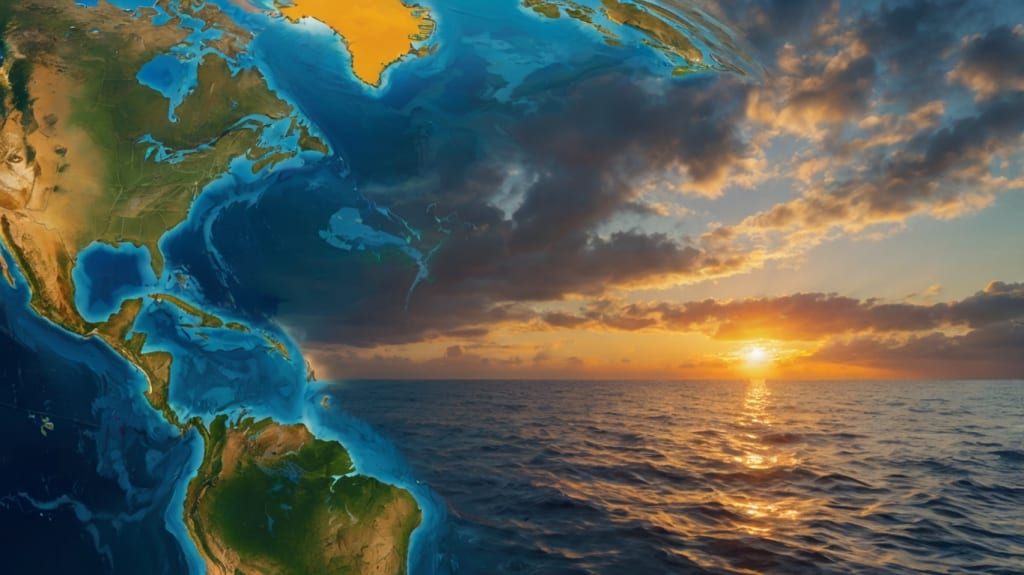
Recently, the term Gulf of America has gained significant attention online, sparking curiosity and debate. While it may sound like a geographical location, many are surprised to learn that it does not officially exist on any modern map. The surge in interest is largely fueled by discussions on social media, where people speculate about its meaning, historical context, and relevance today.
Does the Gulf of America Exist?
Unlike well-known water bodies such as the Gulf of Mexico or the Gulf of California, the Gulf of America does not have an officially recognized geographical location. However, some theories suggest that it could be an informal or symbolic reference to the Gulf of Mexico, which borders the United States.
Historically, the Gulf of Mexico has played a crucial role in trade, fishing, and energy production for the U.S. Given its importance, some may use "Gulf of America" as a way to emphasize its significance to the country. Others speculate that it could be a new term proposed for a rebranding effort, similar to how certain regions rename themselves for tourism or political reasons.
The Role of Social Media in Popularizing the Term
One of the biggest reasons for the rise of the Gulf of America trend is the power of social media. Platforms like Twitter, TikTok and Reddit have amplified discussions around the phrase, with users sharing memes, theories, and historical references.
Some posts humorously claim that the Gulf of America is a secret body of water hidden from the world, while others attempt to link it to past political or territorial disputes. The exact origin of the trend remains unclear, but viral conversations have made it a hot topic.
The Gulf of America Day: What Is It?
Another unexpected twist in this discussion is the mention of Gulf of America Day. While no official holiday exists under this name, some online communities have jokingly proposed its creation.
It is not uncommon for internet culture to create unofficial holidays, much like National Pizza Day or International Cat Day. If the term continues to gain traction, it would not be surprising to see some regions or organizations adopt Gulf of America Day as a fun, unofficial event.
Historical and Geographical Perspectives
From a geographical standpoint, the United States has several well-known gulfs and coastal regions, with the Gulf of Mexico being the most prominent. Covering over 600,000 square miles, it plays a vital role in U.S. maritime activities, oil drilling, and weather patterns.
Throughout history, the Gulf of Mexico has been a focal point of exploration, trade, and even conflicts. The Louisiana Purchase, the Texas Revolution, and the Spanish-American War all involved strategic interests in Gulf waters. While "Gulf of America" is not an official name, its connection to American history might explain why the phrase resonates with some people.
Could the Name Be Officially Adopted?
Renaming geographical locations is not unheard of. Over time, places have changed names due to political shifts, historical corrections, or cultural influences. For example:
- Mount McKinley was renamed Denali to reflect its Indigenous heritage.
- Bombay was changed to Mumbai to align with local traditions.
- Constantinople became Istanbul due to political and cultural changes.
If enough public support exists, could "Gulf of America" replace "Gulf of Mexico"? While it is unlikely due to historical and international factors, the idea itself reflects how language and identity evolve over time.
Economic and Environmental Significance
Even if the name Gulf of America does not officially exist, the body of water it likely refers to—the Gulf of Mexico—is an economic powerhouse. It supports:
- Fishing and Seafood Industry: The Gulf produces a large portion of America’s seafood, including shrimp, oysters, and fish.
- Oil and Gas Production: Offshore drilling in the Gulf of Mexico is a major source of U.S. energy.
- Tourism and Recreation: Coastal states such as Florida, Texas, and Louisiana attract millions of visitors to their beaches, fishing spots, and marine parks.
However, environmental concerns such as hurricanes, oil spills and habitat destruction remain significant challenges. Preserving this crucial body of water, regardless of what it is called, should be a priority for the country.
Conclusion
The Gulf of America might not refer to an official place, but its sudden popularity highlights how social media can spark curiosity and shape discussions. Whether it remains an internet joke or evolves into a commonly used term, one thing is clear—the body of water it likely references plays a critical role in America’s economy, environment, and history.
As for Gulf of America Day, it may just be another lighthearted internet creation. But if the trend continues, we might see it gain some recognition in the future. Until then, the debate over its meaning keeps the conversation alive.
About the Creator
Matt Guides
I'm Just A Random Guy That Creates Content!
Enjoyed the story? Support the Creator.
Subscribe for free to receive all their stories in your feed.
Comments
There are no comments for this story
Be the first to respond and start the conversation.