
Gaza’s Rafah Border Crossing With Egypt Reopens for Limited Traffic
A small but symbolically significant step in the fragile cease-fire between Israel and Hamas
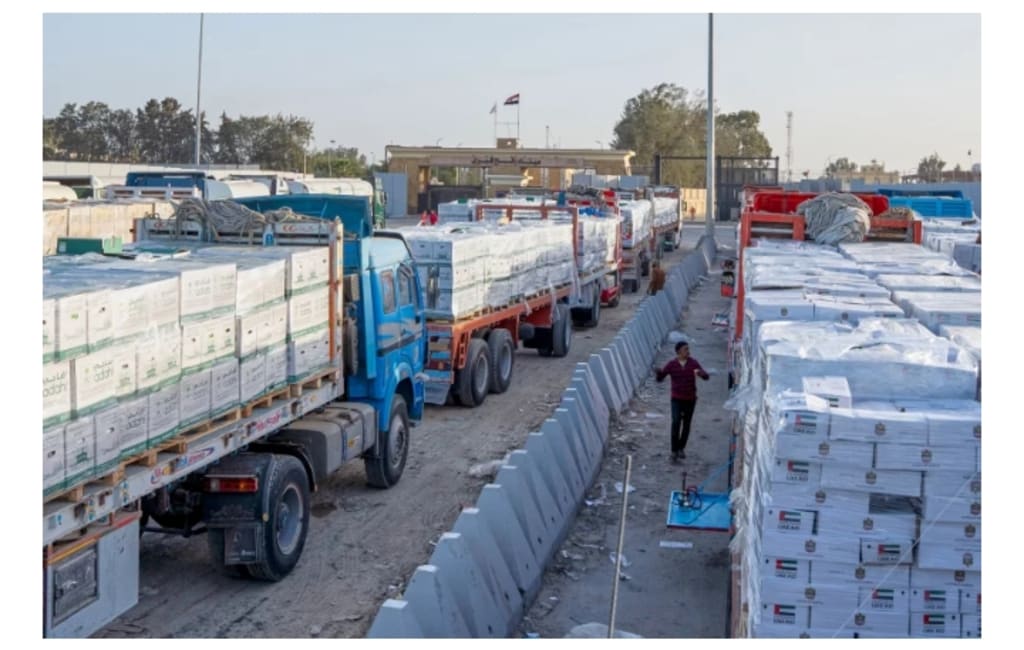
The Rafah border crossing — Gaza’s only direct land link to Egypt — has reopened for limited movement of people after being largely closed for nearly two years amid the Israeli-Hamas war. The reopening marks a key, if cautious, milestone in the implementation of a cease-fire agreement designed to ease the humanitarian plight in Gaza and restore some access to the outside world. � AP News +1 What Has Changed at Rafah? On February 2, 2026, Egyptian and Israeli security officials confirmed that the Rafah crossing had resumed limited pedestrian movement in both directions. The crossing, which had been under Israeli control since May 2024, had remained mostly shut after it was seized early in the conflict, severely restricting movement and worsening humanitarian conditions in Gaza. � AP News +1 Under the initial reopening: Only a small number of Palestinians will be allowed to cross each day. Movement is currently limited to foot traffic, with strict security screening by both Israel and Egypt. No cargo or general goods are entering Gaza through Rafah yet. European Union border agents are also present to help monitor the process. � AP News Egyptian media reported that in the first phase about 50 people are expected to exit Gaza daily and a similar number to return. Priority is being given to patients needing medical treatment abroad, many of whom have been waiting for weeks or months for access. � AP News Why This Matters 1. Reopening After Long Closure The crossing’s closure has been one of the most significant barriers isolating Gaza from the outside world. Rafah is the only border crossing between Gaza and Egypt that does not require transit through Israel, making it especially important for humanitarian access and travel. Its reopening — even at limited capacity — is widely viewed as a humanitarian relief step. � Reuters 2. Part of Cease-Fire Implementation The limited reopening is tied to a fragile cease-fire agreement between Israel and Hamas that began in October 2025. The deal was negotiated with international involvement, including the United States and the European Union, and called for steps to ease restrictions on movement and improve living conditions in Gaza. � Reuters 3. Meeting Urgent Medical Needs Health officials in Gaza estimate tens of thousands of sick or wounded people urgently need medical care not available inside the enclave. Allowing patients and their families to leave for treatment abroad is a high humanitarian priority tied to the crossing’s reopening. � wgvunews.org How the Reopening Is Being Managed The process is being phased in carefully: Screening by multiple parties: Israel and Egypt are vetting individuals before they travel. A European border mission adds an external supervisory role. � wgvunews.org Limited capacity: Movement is restricted at first to keep the process orderly and secure and to allow authorities to manage security concerns. � Al Jazeera Focus on people, not goods: At this stage, the crossing isn’t open for commercial goods or aid shipments — just for the movement of people. � Al Jazeera Ongoing trial phase: Initial movement began with a trial phase, and officials are evaluating how to expand operations safely over time. � Anadolu Ajansı Critics and Ongoing Challenges While the reopening is welcomed by many, it has also drawn criticism and caution: Some humanitarian groups argue the limited scope doesn’t do enough to address basic supply needs in Gaza, where shortages of medicine, fuel, and food remain serious. Social media and commentators point to the strict security approvals and small numbers allowed, describing them as insufficient given the scale of need. � الجزيرة نت Critics say the strict conditions, including prior Israeli security clearance and coordination, continue to limit true freedom of movement and access. � الجزيرة نت What Comes Next? Officials say the reopening of Rafah is a first step in a phased plan to eventually restore fuller access for Gaza residents. Future phases could include: Increasing daily crossing numbers Gradual opening for more categories of travellers Possible future movement of goods and aid supplies However, any expansion will depend on continuing security coordination and progress in broader cease-fire and peace plan negotiations. Conclusion: A Step Forward Amid Fragile Peace The partial reopening of Gaza’s Rafah border crossing to Egypt is a significant symbolic and humanitarian step after nearly two years of severe restriction. While still limited in scope, it offers a lifeline for families, especially for urgent medical travel, and reflects ongoing efforts to implement cease-fire arrangements. For Palestinians in Gaza — long cut off from the outside world — even this small window of movement is a meaningful development, underscoring both the urgency of addressing humanitarian needs and the fragility of regional diplomatic efforts.
About the Creator
Enjoyed the story? Support the Creator.
Subscribe for free to receive all their stories in your feed.
Comments
There are no comments for this story
Be the first to respond and start the conversation.