
French Fire Service Battles ‘Flare-Up’ on Coast as Spanish PM Warns Against Lowering Guard
Firefighters across southern France continue battling renewed wildfire activity while Spain’s prime minister urges vigilance as extreme heat, dry conditions, and strong winds keep much of the region at risk.
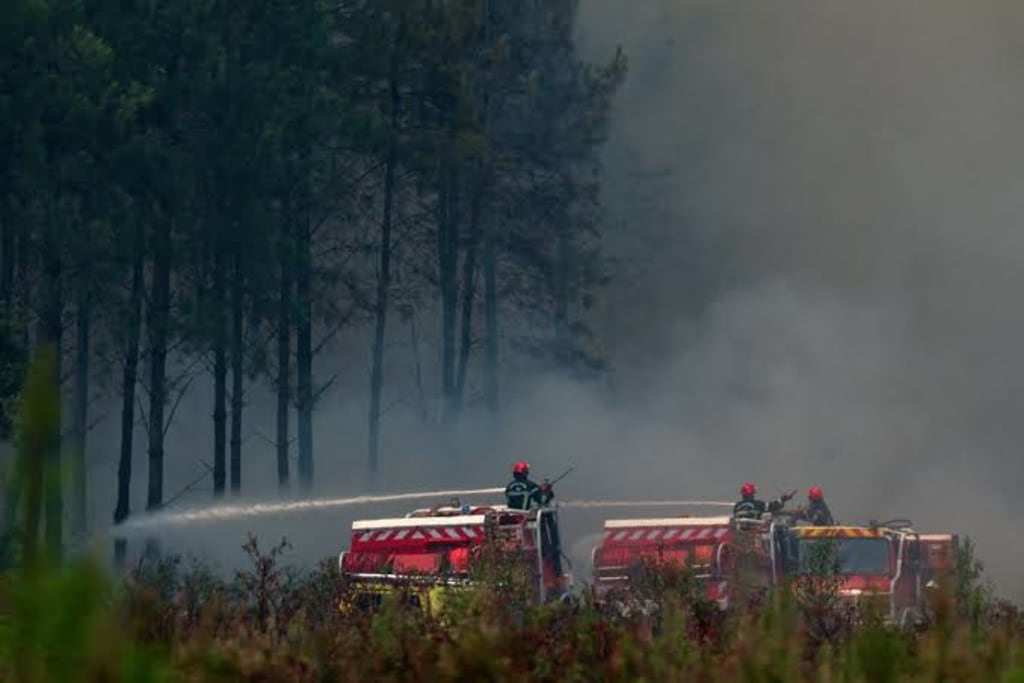
Firefighters in southern France have been working around the clock to contain a dangerous wildfire flare-up along the Mediterranean coast, as authorities across the region remain on high alert amid intense summer heat and persistent drought conditions. The renewed outbreak has reignited concerns about the growing threat of wildfires in Europe, prompting Spanish Prime Minister Pedro Sánchez to warn citizens and local authorities against becoming complacent despite recent progress in containing several major blazes.
The latest flare-up occurred in a coastal region where firefighters had previously managed to bring a large wildfire under control. However, changing weather conditions, including strong winds and high temperatures, caused smoldering hotspots to reignite, forcing emergency crews back into action. Thick smoke once again spread across nearby communities, while emergency services mobilized additional resources to prevent the fire from advancing toward residential areas and critical infrastructure.
French authorities reported that hundreds of firefighters, supported by aircraft and specialized equipment, were deployed to tackle the renewed threat. Water-dropping planes and helicopters conducted repeated sorties over affected areas, targeting the most active sections of the fire. Ground crews worked to create firebreaks and protect homes located near forested zones.
Officials stressed that while significant progress had been made in recent days, wildfire conditions remain highly unpredictable. Even after visible flames have been extinguished, underground heat pockets and burning vegetation can reignite when exposed to favorable weather conditions. Such flare-ups are a common challenge during major wildfire operations and can quickly reverse gains achieved by emergency responders.
Residents in several coastal communities were advised to remain cautious and follow evacuation instructions if necessary. Some areas experienced temporary road closures as firefighters moved equipment and attempted to secure access routes. Local authorities urged people to avoid forested regions where fire risks remain elevated.
The situation in France reflects broader challenges facing southern Europe during increasingly severe wildfire seasons. Scientists have repeatedly warned that climate change is contributing to hotter temperatures, prolonged droughts, and more frequent extreme weather events. These conditions create an environment where wildfires can ignite more easily and spread more rapidly.
Spain has also faced significant wildfire threats during recent summers. Addressing the ongoing risks, Prime Minister Pedro Sánchez emphasized that authorities and citizens must remain vigilant even when fires appear to be under control. He warned that a temporary reduction in visible fire activity should not lead to a false sense of security, particularly during periods of extreme heat.
According to Spanish officials, emergency agencies remain prepared for additional outbreaks as weather forecasts continue to predict high temperatures across many regions. Fire prevention measures, including restrictions on outdoor burning and increased monitoring of vulnerable areas, remain in effect. Authorities have also encouraged residents to report signs of smoke or fire immediately to emergency services.
Environmental experts note that Mediterranean countries have become increasingly vulnerable to destructive wildfires. Dry vegetation, strong seasonal winds, and rising temperatures combine to create conditions that allow fires to spread over vast areas in a short period. In some cases, entire communities have been threatened, leading to large-scale evacuations and significant economic losses.
The human toll of wildfires extends beyond property damage. Firefighters often face dangerous conditions while working long hours in extreme heat. Smoke exposure, difficult terrain, and unpredictable fire behavior increase risks for emergency personnel. Many wildfire operations require coordination between multiple agencies, including local fire departments, national emergency services, military units, and volunteer organizations.
In France, authorities praised the efforts of firefighters who continued battling the coastal blaze despite challenging circumstances. Emergency crews worked through the night to monitor hotspots and prevent further expansion of the fire perimeter. Officials said the dedication and professionalism of responders had been critical in protecting lives and limiting damage.
Local businesses, particularly those connected to tourism, have also been affected by the wildfire threat. Southern France's Mediterranean coast is a popular destination during the summer months, attracting visitors from across Europe and beyond. Concerns about air quality, road access, and safety have created uncertainty for some tourism operators, although officials emphasized that most areas remain open and secure.
Agricultural communities face additional challenges as wildfires threaten farmland, vineyards, and livestock. Farmers in affected regions have expressed concerns about crop losses and the long-term environmental impact of repeated fire events. Recovery efforts can take months or even years, particularly when large areas of vegetation are destroyed.
The European Union has increasingly focused on wildfire preparedness as member states confront more severe fire seasons. Shared firefighting resources, including aircraft and specialized emergency teams, have been deployed across borders to support countries facing major outbreaks. This cooperative approach has become an essential component of Europe's disaster response strategy.
Meteorologists continue monitoring weather
About the Creator
Enjoyed the story? Support the Creator.
Subscribe for free to receive all their stories in your feed.
Comments
There are no comments for this story
Be the first to respond and start the conversation.