
French farmers clash with prefecture over help for firefighters
French farmers demand greater recognition and cooperation from local authorities as they support firefighters battling growing wildfire threats amid rising climate challenges.
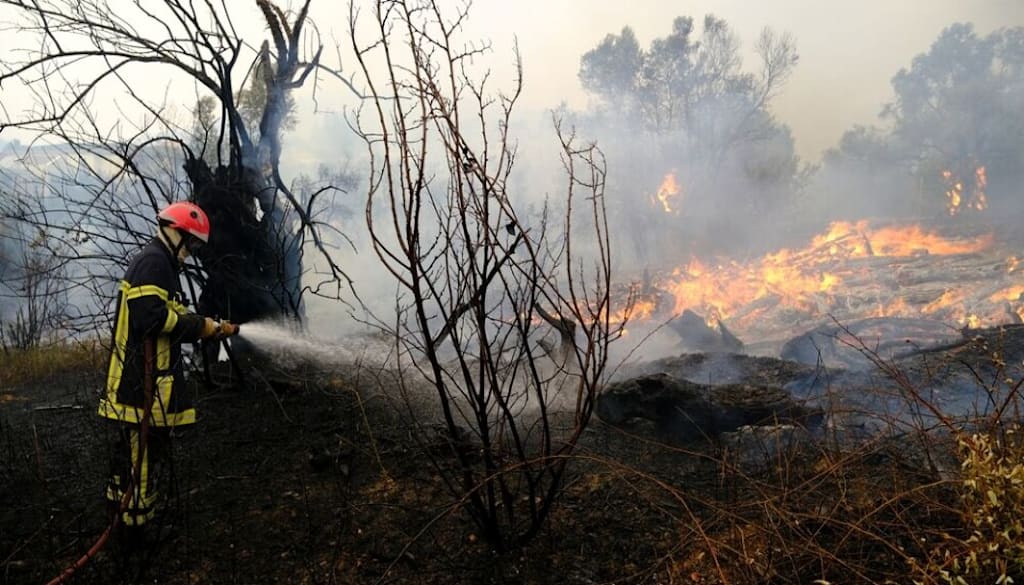
Tensions have emerged between French farmers and local authorities after disagreements over how support should be provided to firefighters battling major wildfires. The dispute highlights growing concerns among rural communities about the pressure placed on emergency services, the role of farmers during crises, and the challenges of coordinating disaster responses in areas affected by extreme weather.
Farmers have long played an important role during emergencies in rural France. With access to tractors, water equipment, and local knowledge of the land, many agricultural workers have assisted firefighters during periods of intense wildfire activity. However, recent disagreements with prefecture officials have raised questions about communication, responsibilities, and the recognition of farmers’ contributions.
The prefecture, which represents the state administration at a regional level, is responsible for coordinating public safety measures during emergencies. Officials often work closely with firefighters, police, local councils, and emergency organizations to manage wildfire risks. Their decisions are designed to ensure that operations remain organized and safe.
Some farmers argue that their efforts during firefighting operations are not receiving enough support or recognition. They say that rural communities are often among the first to respond when fires threaten homes, farmland, and natural areas. Many farmers believe their equipment and experience can make a significant difference when flames spread quickly across dry landscapes.
The conflict reflects wider frustrations among agricultural communities in France. Farmers have repeatedly raised concerns about rising costs, climate pressures, government regulations, and difficulties maintaining their livelihoods. Wildfires add another layer of stress, particularly during summers marked by heatwaves and prolonged drought conditions.
France has experienced increasingly severe wildfire seasons in recent years, with dry conditions creating dangerous environments for fires to spread. Climate change has contributed to longer periods of extreme heat, increasing the risk of large-scale fires in several regions. Firefighters have faced growing challenges as they respond to more frequent and intense emergencies.
During wildfire events, cooperation between professional firefighters and local residents is essential. Fire crews rely on accurate information from people who understand the landscape, including farmers who know access roads, water sources, and vulnerable areas. However, authorities must also ensure that volunteers and local helpers are not placed in dangerous situations without proper coordination.
The disagreement between farmers and the prefecture demonstrates the difficulty of balancing local involvement with official emergency procedures. While community support is valuable, firefighting operations require strict planning to avoid confusion and protect everyone involved.
Farmers involved in the dispute have called for clearer communication and better cooperation between authorities and rural communities. They argue that those living and working on the land should have a stronger voice in emergency planning because they are directly affected by wildfires.
Officials, meanwhile, emphasize the importance of following established safety procedures. Firefighting involves serious risks, including unpredictable wind changes, rapidly moving flames, and dangerous smoke conditions. Authorities must ensure that every person participating in operations understands their role and receives appropriate guidance.
The situation also highlights the changing relationship between government institutions and rural communities. Many farmers feel that their knowledge and efforts are sometimes overlooked, while authorities face the challenge of managing emergencies involving large numbers of people and resources.
Beyond the immediate dispute, the issue raises important questions about how France prepares for future climate-related disasters. As extreme weather events become more common, cooperation between government agencies, emergency services, and local communities will become increasingly important.
Experts say that building stronger partnerships before disasters happen could reduce tensions during crises. Training programs, clearer communication channels, and formal recognition of local volunteers could help create a more effective response system.
The role of farmers in wildfire response is part of a broader discussion about community resilience. Rural residents often experience the first effects of environmental disasters, from damaged crops to threats against homes and businesses. Their involvement in emergency situations reflects the deep connection between local communities and the landscapes they protect.
As authorities and farmers continue discussions, the focus remains on improving cooperation and ensuring that firefighters have every possible resource available. Wildfires do not only affect forests and fields; they impact entire communities.
The dispute serves as a reminder that fighting climate-related disasters requires collective effort. Governments, emergency workers, and local residents must work together to protect lives, property, and the environment. The challenge ahead will be finding ways to combine official expertise with the valuable experience of those who live closest to the risks.
About the Creator
Enjoyed the story? Support the Creator.
Subscribe for free to receive all their stories in your feed.
Comments
There are no comments for this story
Be the first to respond and start the conversation.