
FAA Lifts Closure of El Paso Airspace; Flights Resume Normal Operations
Travelers and airlines breathe a sigh of relief as skies reopen after temporary shutdown
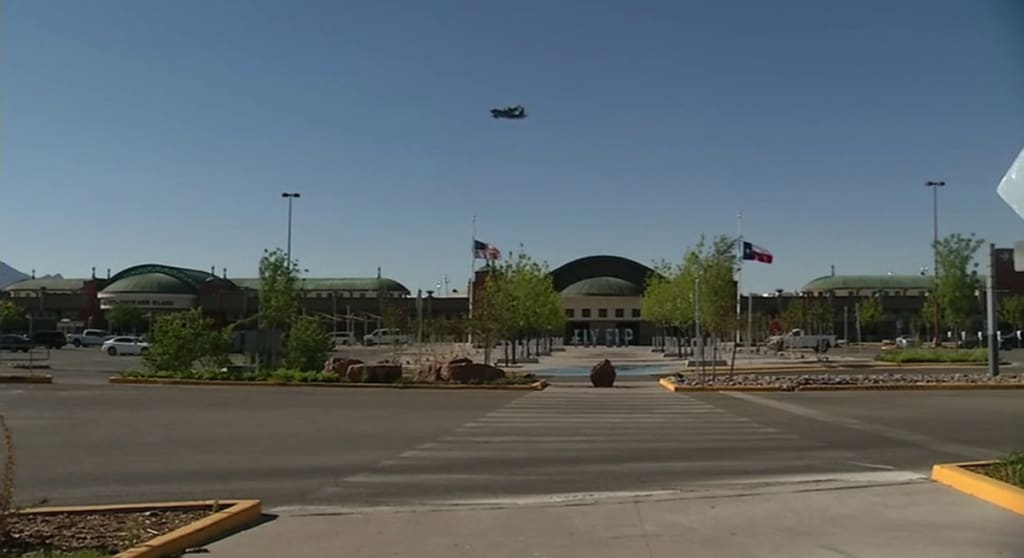
Air Travel Returns to Normal in El Paso After a temporary airspace closure that disrupted flights in and out of El Paso, Texas, the Federal Aviation Administration (FAA) has officially reopened the skies. Airlines and passengers alike are welcoming the return to normal operations, as flights resume schedules and airports work to clear backlogs. The closure, which affected both commercial and private aviation, caused flight delays, cancellations, and travel headaches for thousands of passengers. While the FAA did not indicate significant damage to infrastructure, the temporary measure was implemented as a precautionary step to ensure safety. The Reason Behind the Closure FAA officials stated that the temporary airspace restriction was enacted to address potential safety or security concerns, a standard protocol in situations that could pose risks to aircraft operations. While details of the exact cause were limited, it is clear that: Passenger safety was the priority Air traffic controllers and airport staff coordinated closely to manage operations Airlines were notified promptly to reroute or delay flights as necessary The FAA’s swift action prevented potential incidents while maintaining public safety as the top priority. Impact on Flights and Passengers During the closure, passengers experienced significant disruptions: Multiple commercial flights were delayed or canceled, particularly in the peak travel window. Some travelers were rerouted through nearby airports such as Albuquerque or Dallas-Fort Worth. Airlines incurred operational and financial challenges, from fuel costs to crew scheduling adjustments. Despite the inconvenience, officials emphasize that air traffic safety protocols functioned as intended, avoiding any accidents or major incidents during the temporary closure. Airline Response and Recovery Efforts Airlines immediately mobilized contingency plans to mitigate the effects of the closure: Rescheduling flights to accommodate stranded passengers Providing vouchers or accommodations for travelers affected by cancellations Coordinating with FAA and airport authorities to resume operations safely and efficiently As the FAA reopened the airspace, airlines are now focused on clearing the backlog of flights, ensuring that passengers can reach their destinations with minimal further disruption. FAA Protocols and Safety Measures The FAA enforces strict protocols to manage temporary airspace closures, which may include: Identifying potential hazards such as mechanical issues, weather anomalies, or security threats Issuing NOTAMs (Notices to Airmen) to alert pilots and airlines Coordinating with local airports and air traffic control to reroute or hold flights safely Resuming operations only after thorough safety checks In this case, the reopening indicates that all safety concerns were addressed, allowing flights to proceed without restrictions. Passenger Guidance Travelers planning flights to or from El Paso should consider a few tips as operations return to normal: Check flight status with airlines before arriving at the airport Expect minor delays as airports process backlogged flights Allow extra time for security and boarding to ensure smooth travel Stay updated via FAA notifications and airline alerts Airports and airlines are coordinating closely to minimize inconvenience and ensure timely departures and arrivals. Regional and Economic Implications The temporary closure had broader effects beyond passenger inconvenience: Business travel was impacted, affecting local companies and regional commerce Tourism and hospitality sectors in El Paso faced cancellations and reduced bookings Local airports experienced temporary dips in operations and revenue With the airspace reopened, these sectors are now beginning recovery and normal operations, which is crucial for the region’s economy and connectivity. The Importance of Airspace Management This event underscores the critical role of the FAA in managing U.S. airspace. Key responsibilities include: Ensuring flight safety through monitoring and regulation Preventing mid-air incidents through controlled closures and traffic management Coordinating emergency responses when potential hazards arise The swift reopening of El Paso airspace demonstrates effective crisis management and coordination between federal authorities, airlines, and airports. Looking Ahead: Maintaining Safe Skies While the airspace closure caused temporary disruption, it also highlights the robust systems in place to protect passengers and crews: Continuous monitoring of airspace and flight paths ensures timely intervention when needed Communication channels between FAA, airlines, and airports allow for rapid response Safety-first approach remains the guiding principle in all airspace decisions Passengers can now travel with confidence, knowing that precautionary closures, though inconvenient, are designed to prevent accidents and protect lives. Conclusion: A Return to Normal Operations The FAA’s decision to lift the closure of El Paso airspace marks a return to normalcy for airlines, passengers, and regional commerce. While temporary disruptions were inconvenient, the incident demonstrates the effectiveness of U.S. airspace safety protocols and the importance of proactive management. As flights resume their regular schedules, travelers and businesses alike can breathe easier, reassured that safety remains the priority and that air travel in the region is once again efficient and reliable. This reopening also serves as a reminder of the complex coordination required in modern aviation, where multiple stakeholders work together to ensure safe, timely, and smooth operations across the national airspace system.
About the Creator
Enjoyed the story? Support the Creator.
Subscribe for free to receive all their stories in your feed.
Comments
There are no comments for this story
Be the first to respond and start the conversation.