
Ex-Nvidia CEO Jensen Huang Summoned to Testify Before Congress Over Alleged Affair With Suspected Chinese Spy
Washington lawmakers are demanding answers from former Nvidia chief Jensen Huang over his reported relationship with a Chinese businesswoman suspected of espionage, raising serious questions about national security, artificial intelligence technology and US-China relations.
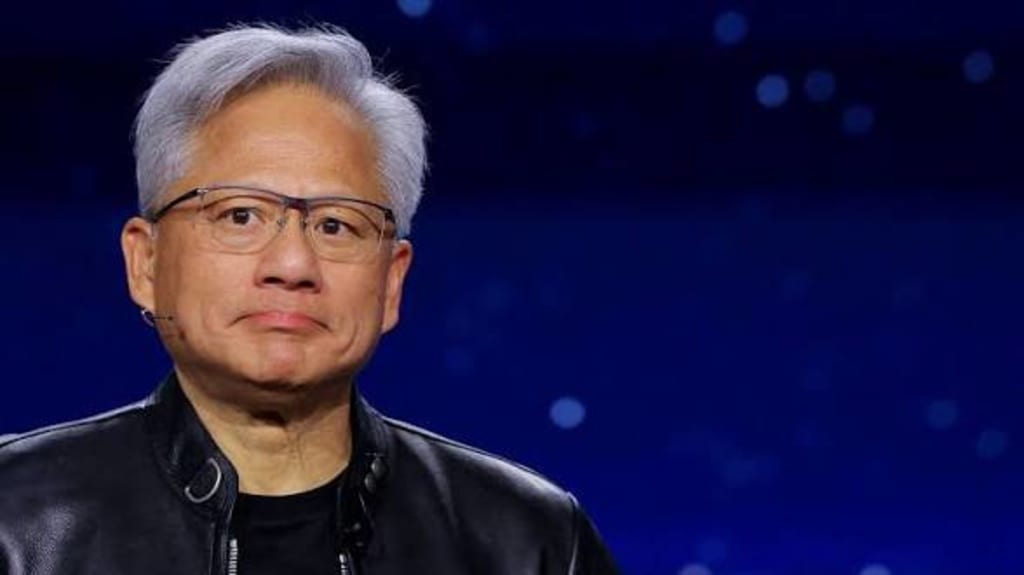
The controversy surrounding former Nvidia CEO Jensen Huang has taken a dramatic turn as US lawmakers intensify their efforts to question the technology executive about his reported relationship with a Chinese businesswoman suspected of having connections to Chinese intelligence. The developing situation has attracted international attention because of Nvidia's importance to the global artificial intelligence industry and the potential national security implications.
On November 13, 2026, developments in Washington indicated that Senate Banking Committee Chairman Tim Scott had requested testimony from Huang concerning national security concerns involving Nvidia, its business activities in China and recent reports about the former executive. Scott also indicated that he could consider a subpoena if Huang failed to appear voluntarily.
The congressional pressure follows an earlier request from senior House Republicans seeking a closed-door briefing with Huang. The situation has become increasingly significant following his departure from Nvidia's leadership.
Why Is Congress Questioning Jensen Huang?
Congressional interest focuses on reports concerning Huang's relationship with Alice Huang, a Chinese businesswoman who US authorities suspect of having links to Chinese intelligence.
The allegations have raised questions about whether a foreign intelligence operation could have gained access to sensitive information connected to Nvidia or the wider American technology industry.
Lawmakers are particularly concerned about the security of advanced semiconductor technology. Nvidia produces some of the world's most powerful artificial intelligence processors, which are essential for developing sophisticated AI systems, operating data centres and supporting advanced computing research.
According to Reuters reporting, lawmakers want explanations about foreign influence, company security procedures and the possible movement of restricted semiconductor products into China.
However, the allegations must be treated carefully. US Attorney General Todd Blanche has indicated that the Justice Department has not reached a final conclusion about whether Alice Huang was acting as a Chinese intelligence operative. China has also rejected the accusations.
National Security Concerns and Nvidia's China Business
Nvidia occupies a strategically important position in the global technology industry. Its graphics processing units and specialised AI chips are widely used by technology companies, research institutions and governments.
The United States has introduced export restrictions designed to limit China's access to certain advanced semiconductor products. Washington considers these restrictions important for protecting national security and maintaining its technological advantage.
The controversy has therefore raised questions about whether existing safeguards are sufficiently strong to prevent restricted technology from reaching unauthorised destinations.
Another important part of the investigation involves Megaspeed, a Singapore-based data centre company reportedly connected to Alice Huang. US authorities have been examining allegations involving the company's activities and the possible diversion of advanced chips into China.
Congressional investigators want to understand whether Nvidia's commercial relationships, security arrangements or leadership decisions created weaknesses that could have been exploited.
No final public finding has established that Huang knowingly assisted Chinese intelligence or deliberately compromised American technology.
Lawmakers Consider Congressional Subpoenas
The pressure on Huang has increased as several influential lawmakers have demanded his cooperation.
House Foreign Affairs Committee Chairman Brian Mast, House China Select Committee Chairman John Moolenaar and House Intelligence Committee Chairman Rick Crawford have sought a closed-door briefing with the former Nvidia chief.
Their concerns include foreign espionage, the protection of sensitive technology and Nvidia's security protocols.
Huang has reportedly agreed to cooperate with congressional questioning, according to statements from lawmakers reported by major news organisations. The discussions are focused on arranging the testimony and determining its timing.
Meanwhile, Senate Banking Committee Chairman Tim Scott has separately requested testimony from Huang and Commerce Secretary Howard Lutnick.
These developments demonstrate that congressional scrutiny is extending beyond one individual's personal relationships. Lawmakers are examining the broader relationship between American technology companies, international business operations and national security.
Jensen Huang's Departure From Nvidia
Huang's departure from Nvidia has added another major dimension to the controversy.
As the company's longtime co-founder and leading executive, he played a central role in transforming Nvidia from a graphics processor manufacturer into one of the world's most influential artificial intelligence technology companies.
His leadership helped Nvidia benefit from the rapid expansion of generative AI, cloud computing and advanced data centre infrastructure.
His departure raises questions about the company's future leadership, investor confidence and strategic direction.
Nvidia's board has also faced pressure to address the controversy and reassure investors that its internal security arrangements remain strong.
The company is particularly important to the AI economy because its processors support many of the world's most advanced computing systems.
Impact on the Global AI Industry
The controversy could have consequences beyond Nvidia itself.
The global artificial intelligence industry depends heavily on advanced semiconductor manufacturing and international supply chains. Any uncertainty involving a major chipmaker can influence investors, technology companies and government policy.
If congressional investigations reveal weaknesses in existing export controls, Washington could consider additional restrictions on semiconductor exports to China.
Such decisions could affect international technology partnerships, chip manufacturers and businesses that depend on access to advanced computing equipment.
China and the United States are already competing strongly in artificial intelligence, semiconductor production and other strategic technologies. The latest controversy could increase political tensions between the two countries.
Investors will also be watching developments closely because Nvidia has an important role in the global technology market.
What Happens Next?
The next stage will depend on Huang's cooperation with congressional investigators and the findings of ongoing government inquiries.
Lawmakers are expected to seek detailed explanations about his reported relationship with Alice Huang, the company's security procedures and questions surrounding advanced chip exports.
The investigation may also encourage Congress to examine whether existing laws provide sufficient protection against foreign intelligence operations targeting senior technology executives.
At this stage, it is important to distinguish allegations from proven wrongdoing. The public has not received a final legal determination establishing that Jensen Huang knowingly participated in espionage or that Nvidia's confidential technology was compromised.
Conclusion
The Jensen Huang controversy represents a significant challenge for the American technology industry. Congressional demands for testimony highlight growing concerns about foreign intelligence, semiconductor security and the strategic importance of artificial intelligence.
As lawmakers seek answers, the investigation could influence future US technology policy and relations with China.
For Nvidia, the immediate challenge is maintaining confidence in its leadership, business operations and security systems. For Washington, the priority is determining whether sensitive American technology was adequately protected.
The outcome of the congressional inquiry could have lasting implications for the global semiconductor industry and the future of artificial intelligence.
About the Creator
Enjoyed the story? Support the Creator.
Subscribe for free to receive all their stories in your feed.
Comments
There are no comments for this story
Be the first to respond and start the conversation.