
Europe's would-be water bombers in race to tackle future wildfires
As climate change fuels longer and more destructive wildfire seasons, Europe is accelerating efforts to develop advanced aerial firefighting fleets capable of protecting forests, communities, and critical infrastructure.
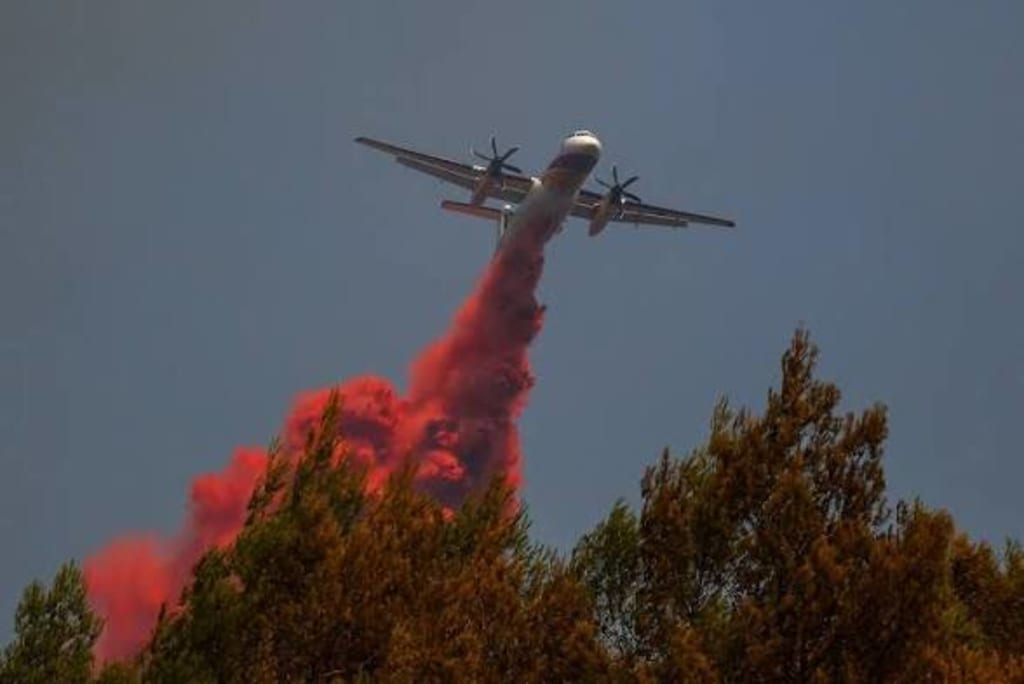
Wildfires are becoming one of Europe's most urgent environmental and public safety challenges. Countries once considered relatively safe from large-scale forest fires are now experiencing hotter summers, prolonged droughts, and stronger winds that create ideal conditions for devastating blazes. From the Mediterranean coastline to Central Europe, fire seasons are lasting longer and becoming more intense, forcing governments to rethink how they prepare for future disasters.
One of the most significant responses is Europe's race to expand and modernize its aerial firefighting capabilities. New water-bombing aircraft, helicopters, drones, and coordinated emergency response systems are being developed to ensure countries can respond faster when fires break out. Experts believe these investments will be essential as climate change continues to increase wildfire risks across the continent.
Why Europe Faces a Growing Wildfire Threat
Scientists have repeatedly warned that rising global temperatures are increasing the frequency and severity of extreme weather events. Europe has witnessed record-breaking heatwaves in recent years, with temperatures exceeding historical averages across southern and central regions.
Long periods without rainfall dry out forests and vegetation, turning them into fuel for rapidly spreading fires. Once ignited—whether by lightning, human negligence, or deliberate arson—fires can spread across thousands of hectares within hours.
Countries including Spain, Portugal, Greece, Italy, France, and Croatia have experienced repeated wildfire emergencies. Even nations farther north, such as Germany and parts of Scandinavia, have reported unusual wildfire activity as changing weather patterns expand fire-prone areas.
Modern Water Bombers Become a Strategic Priority
To combat increasingly destructive fires, European governments are investing heavily in specialized firefighting aircraft capable of delivering thousands of liters of water or fire retardant directly onto burning forests.
Traditional firefighting methods remain essential, but rugged terrain often prevents firefighters from reaching active flames quickly. Water bombers can rapidly attack fires in remote mountainous regions, slowing their spread until ground crews arrive.
Several countries are upgrading aging fleets while also ordering next-generation aircraft featuring improved fuel efficiency, greater payload capacity, enhanced navigation systems, and faster turnaround times.
Some aircraft can scoop water directly from nearby lakes or coastal waters, allowing continuous operations without returning to distant airports. This capability significantly increases firefighting efficiency during major emergencies.
European Cooperation Gains Momentum
Rather than relying solely on national resources, European countries are strengthening cross-border cooperation to fight wildfires.
When one country experiences an overwhelming fire season, neighboring nations increasingly send aircraft, helicopters, firefighters, and emergency personnel to assist. Shared response mechanisms improve flexibility while reducing delays during critical situations.
Joint emergency planning also allows participating countries to train together, standardize communication systems, and coordinate logistics before disaster strikes.
This collaborative approach recognizes that wildfires do not respect national borders and that regional cooperation improves everyone's safety.
Technology Transforms Firefighting Operations
Modern aerial firefighting is becoming increasingly technology-driven.
Advanced satellite monitoring systems now detect hotspots much earlier than traditional observation methods. High-resolution thermal imaging allows emergency responders to identify hidden fires before they become uncontrollable.
Artificial intelligence is also beginning to assist emergency agencies by analyzing weather forecasts, vegetation conditions, and wind patterns to predict where fires are most likely to spread.
Meanwhile, unmanned aerial drones provide real-time surveillance over active fires, helping commanders direct aircraft more efficiently while improving firefighter safety.
Digital mapping technologies enable emergency teams to monitor changing fire behavior minute by minute, allowing faster operational decisions.
Challenges Facing Europe's Firefighting Expansion
Despite significant investment, expanding Europe's aerial firefighting capability presents several challenges.
Specialized water-bombing aircraft are expensive to purchase and maintain. Training experienced pilots also requires years of preparation, while skilled maintenance personnel remain in high demand.
Manufacturing capacity represents another obstacle. As more countries worldwide seek additional firefighting aircraft, production schedules have become increasingly competitive, creating waiting lists for new deliveries.
Infrastructure improvements are equally important. Airports must support specialized firefighting operations with maintenance facilities, fuel supplies, and rapid deployment capabilities.
Governments must also balance immediate emergency response spending with long-term investments in wildfire prevention.
Prevention Remains the Most Effective Strategy
Although advanced aircraft play a vital role, experts emphasize that preventing wildfires is ultimately more cost-effective than fighting them.
Forest management programs reduce excessive vegetation that fuels large fires. Controlled burns, improved land management, and regular removal of dry undergrowth can dramatically lower wildfire intensity.
Public awareness campaigns also encourage responsible behavior during hot weather, reducing accidental ignitions caused by campfires, discarded cigarettes, agricultural burning, or machinery.
Urban planning is evolving as well, with authorities promoting fire-resistant building materials and creating protective buffer zones between forests and residential communities.
Climate Adaptation Shapes Future Policy
Wildfire preparedness is increasingly becoming part of Europe's broader climate adaptation strategy.
Governments recognize that infrastructure, emergency services, water management, and environmental protection must work together to reduce future risks.
Research institutions continue developing improved fire prediction models, while engineers design aircraft capable of operating more effectively under increasingly extreme weather conditions.
International partnerships are also expanding as European manufacturers collaborate with global aerospace companies to accelerate innovation in firefighting technology.
Looking Ahead
Europe's race to strengthen its fleet of water bombers reflects a growing understanding that wildfires are no longer isolated seasonal disasters but an enduring consequence of a warming climate. While advanced aircraft, helicopters, drones, and satellite technologies will significantly improve emergency response, long-term success depends on prevention, environmental stewardship, and international cooperation.
As climate pressures continue to reshape landscapes across the continent, investing in resilient firefighting capabilities today may save countless lives, protect valuable ecosystems, and reduce billions of euros in future economic losses. Europe's commitment to building a stronger aerial firefighting network demonstrates that preparedness, innovation, and collaboration will remain essential weapons in the battle against increasingly dangerous wildfires.
For Vocal Media, this article fits best under the News, Environment, Politics, or Technology community, depending on which categories are available. Use SEO keywords such as Europe wildfires, water bombers, aerial firefighting, climate change, forest fires in Europe, and wildfire prevention.
About the Creator
Enjoyed the story? Support the Creator.
Subscribe for free to receive all their stories in your feed.
Comments
There are no comments for this story
Be the first to respond and start the conversation.