
El Niño Could Become a Global Threat: Why the Amazon and Food Security Are at Risk
A rapidly strengthening El Niño could become one of the strongest events on record, raising concerns about Amazon drought, wildfires, agriculture, food prices and vulnerable communities worldwide.
The world is watching a powerful climate pattern develop across the Pacific Ocean. El Niño is strengthening rapidly in 2026, and U.S. climate forecasters now estimate more than a 90% chance that the event will become very strong during the Northern Hemisphere fall and winter. There is also a 69% probability that the October–December period could reach historically intense levels compared with events recorded since 1950.
El Niño is a natural climate phenomenon in which unusually warm ocean temperatures in the tropical Pacific alter atmospheric circulation and influence rainfall and temperatures around the world. Although El Niño itself is not new, the potential strength of the 2026 event is creating concern among scientists, governments, farmers and food companies.
Why the Amazon Is Vulnerable
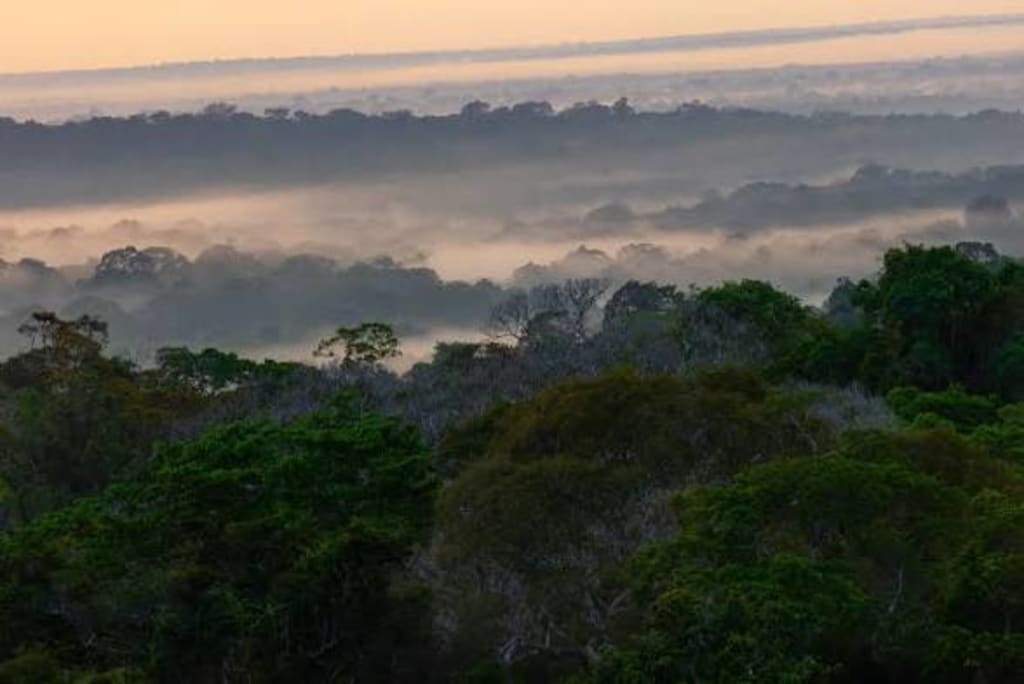
The Amazon rainforest is one of the most important ecosystems on Earth. It stores enormous amounts of carbon, supports extraordinary biodiversity and influences rainfall patterns across South America.
The region is particularly vulnerable to drought during El Niño. NOAA research on the previous major Amazon drought showed that El Niño can reduce rainfall, while higher global temperatures can intensify evaporation and water stress.
That makes the current situation especially concerning. Recent reporting warns that the expected peak of the 2026 El Niño could coincide with a particularly vulnerable period for the Amazon, increasing the risks of drought and wildfire.
Lower river levels can also create serious problems for communities that depend on waterways for transportation, fishing, food supplies and access to essential services.
Wildfire Risk Could Increase
Drought does not automatically mean that every forest will burn, but dry vegetation provides fuel when fires start.
The Amazon has already experienced severe climate and environmental pressures from deforestation, land clearing and previous droughts. A stronger El Niño could add another layer of stress by reducing rainfall in vulnerable parts of the region.
The combination of heat, dry vegetation and human activity can make fires more difficult to control. Forest fires can release stored carbon into the atmosphere while destroying wildlife habitat and threatening Indigenous and rural communities.
This creates a dangerous feedback cycle: a weakened forest may become less capable of storing carbon and recovering from repeated drought and fire.
Food Security Is a Global Concern
The biggest El Niño concern may not stop at the edge of the Amazon. The phenomenon can influence weather patterns across major agricultural regions.
The Food and Agriculture Organization has warned that El Niño-linked drought can create significant risks for crops and pasturelands. Its analysis uses decades of satellite observations to identify agricultural areas that have historically been vulnerable during strong El Niño events.
This matters because food production depends heavily on predictable rainfall and suitable temperatures. Drought can reduce harvests, while excessive rainfall and flooding can damage crops in other regions.
Recent Reuters reporting says Latin America is preparing for potentially historic El Niño conditions. Southern agricultural areas could receive beneficial rainfall, while parts of northern and western Brazil may face drought and heat.
That means El Niño does not affect every country in the same way. Some farmers may benefit from additional rainfall, while others could face devastating crop losses.
Could Food Prices Rise?
A major concern for consumers is the possibility of higher food prices.
If drought or flooding reduces production of important crops, supplies can tighten. Markets may then respond through higher prices, particularly when several producing regions experience weather problems at the same time.
Coffee, cocoa, sugar, rice, wheat and other agricultural commodities can all be affected by weather disruptions. Reuters has reported that companies around the world are increasingly discussing El Niño risks in corporate filings and earnings calls, particularly businesses exposed to food, agriculture and supply chains.
However, a strong El Niño does not automatically guarantee a global food crisis. Modern agriculture has improved significantly, and large grain inventories and better farming technology provide important protection.
Reuters reports that advances in crop varieties, irrigation, precision agriculture and digital agricultural advice have strengthened the global food system compared with previous major El Niño events.
Vulnerable Communities Face the Greatest Risk
The impact of extreme weather is rarely distributed equally.
Wealthier countries may have better irrigation systems, food reserves, insurance and emergency services. Poorer communities often have fewer resources to absorb a failed harvest, flood or prolonged drought.
The World Food Programme describes El Niño as one of the major climate drivers affecting hunger and says its effects can be anticipated months in advance, creating an opportunity for governments and humanitarian organizations to prepare.
Public health is another concern. The Pan American Health Organization has warned that El Niño-related climate changes can contribute to food insecurity, heat-related illness, wildfire smoke exposure, water-related disease risks and disruption of health services.
Preparation Is the Key
The most important message from scientists and humanitarian organizations is that preparation can reduce the damage.
Governments can monitor rainfall and crop conditions, strengthen early-warning systems, protect water supplies and provide farmers with timely weather information. Humanitarian agencies can prepare food assistance before severe shortages develop.
Farmers can also reduce risks through drought-tolerant crops, improved irrigation, diversified production and better soil management.
The world cannot stop El Niño from occurring. But it can reduce the human cost of the phenomenon.
A Warning for the Rest of 2026
The 2026 El Niño is still developing, and forecasts cannot determine exactly what weather every country will experience. Even very strong El Niño events produce different outcomes from one region to another.
Nevertheless, the current warning deserves attention. A potentially historic event arriving in a world already experiencing rising temperatures, environmental degradation and fragile food systems could magnify existing problems.
The Amazon is one of the most important places to watch. If drought, heat and fires intensify, the consequences could extend beyond South America.
El Niño is a natural phenomenon, but its effects are increasingly being felt in a world facing human-driven climate change. The challenge for governments, farmers and communities is therefore not simply to predict the next extreme event, but to prepare before it arrives.
SEO Keywords: El Niño 2026, super El Niño, Amazon drought, Amazon rainforest fires, food security, climate change, global food prices, extreme weather, agriculture, El Niño forecast.
About the Creator
Enjoyed the story? Support the Creator.
Subscribe for free to receive all their stories in your feed.
Comments
There are no comments for this story
Be the first to respond and start the conversation.