
Destroyed Aeon Mall Had Just Reopened for ‘Fresh Start’ a Decade on From Deadly Quake
A shopping centre rebuilt after Japan’s devastating earthquake tragedy faces a heartbreaking setback as disaster strikes again, reopening memories of loss, recovery, and resilience.
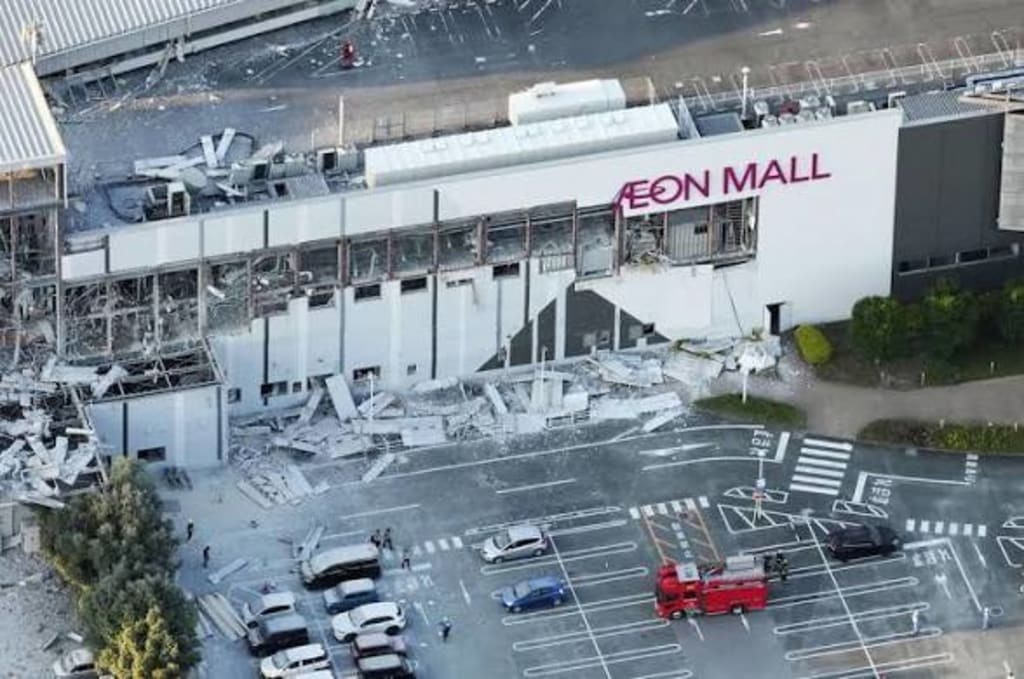
A shopping mall in Japan that had only recently reopened after years of recovery efforts following a deadly earthquake has been struck by another devastating disaster, leaving residents mourning the destruction of a place that had come to represent hope and renewal.
The Aeon mall, which had been rebuilt and reopened as a symbol of a community’s determination to move forward, was seen as a sign that life could return to normal after a decade marked by tragedy and rebuilding. For many local residents, the reopening was more than the return of shops and services — it represented a fresh beginning after one of the darkest periods in the region’s history.
The latest destruction has brought back painful memories for survivors who had already experienced the fear and uncertainty of a major earthquake years earlier. Many residents who celebrated the mall’s reopening are now facing the emotional shock of seeing a familiar gathering place damaged once again.
The original earthquake left a deep impact on communities across the region, causing widespread destruction, loss of life, and long-term disruption. Homes, businesses, and public facilities were damaged, forcing thousands of people to rebuild their lives from the ground up.
In the aftermath, rebuilding became a symbol of recovery. The restoration of commercial areas was considered essential because shopping centres often serve as more than retail spaces in Japanese communities. They function as meeting points, emergency support locations, and places where residents reconnect after difficult times.
When Aeon mall reopened, local officials and residents viewed it as an important milestone. The return of stores, restaurants, and community spaces brought a sense of normality after years of uncertainty. Businesses that had struggled during the recovery period saw the reopening as an opportunity to rebuild their customer base and restore economic activity.
For many residents, the mall carried emotional significance because it represented survival and determination. Families returned not only to shop but also to celebrate the recovery of their hometown. The reopening ceremony was viewed as a moment of optimism and proof that communities could recover even after severe disasters.
However, the latest earthquake has challenged that optimism. The damage has forced residents to confront familiar fears and uncertainties. Emergency teams have been assessing the condition of the building while authorities work to determine the extent of the destruction.
Japan is one of the most earthquake-prone countries in the world, and its communities have developed extensive disaster preparedness systems. Buildings are designed with strict safety standards, emergency warnings are widely used, and residents regularly participate in earthquake drills.
Despite these measures, powerful earthquakes can still cause significant damage. The energy released during major seismic events can overwhelm even carefully designed structures and create widespread disruption.
The destruction of a recently reopened facility has raised difficult questions about the challenges of rebuilding in earthquake-prone areas. Engineers and officials will likely examine the damage carefully to understand how the structure responded and whether additional safety measures are needed.
For local businesses inside the mall, the setback could be severe. Many shop owners had invested time and money preparing for the reopening, hoping to recover losses from previous years. Another closure could create financial pressure and uncertainty for employees and business operators.
The emotional impact on residents may be even greater. Survivors of past disasters often experience renewed trauma when another major event occurs. Seeing familiar places damaged again can bring back memories of earlier losses and struggles.
Community leaders have emphasized the importance of supporting residents during the recovery process. Mental health services, financial assistance, and practical support will be critical as people once again begin the difficult task of rebuilding.
Japan’s history of earthquakes has shown that recovery is not only about repairing buildings but also about restoring confidence. Communities must rebuild social connections, economic stability, and a sense of safety after disasters.
The story of Aeon mall reflects the broader experience of many Japanese communities that have faced repeated natural disasters. It demonstrates both the vulnerability of human development and the strength of people who continue rebuilding despite setbacks.
Experts say that resilience does not mean avoiding tragedy completely; rather, it means having the ability to recover, adapt, and continue moving forward. The repeated rebuilding of communities across Japan shows the determination of residents who refuse to abandon their homes and livelihoods.
As authorities assess the damage and plan the next steps, residents are once again being asked to show patience and strength. The road ahead may be difficult, but previous recovery efforts have demonstrated that rebuilding is possible.
The destruction of the Aeon mall is a painful reminder that recovery can never erase the risks posed by nature. Yet for many residents, the mall remains a symbol of hope — not because it survived untouched, but because it represented the ability of a community to rise again.
A decade after a devastating earthquake, the latest disaster has tested that spirit once more. But the determination that brought the mall back to life before may once again guide the community toward recovery.
About the Creator
Enjoyed the story? Support the Creator.
Subscribe for free to receive all their stories in your feed.
Comments
There are no comments for this story
Be the first to respond and start the conversation.