
Delulu’, ‘Clock It’: ‘Cockroach’ Protest Brings Gen Z Slang to India’s Parliament
Internet culture enters political debate as young Indians bring social media language into public discussions. Gen Z expressions spark conversation about changing communication styles in India’s political landscape. A viral youth vocabulary meets traditional politics in an unusual parliamentary moment. Social media slang highlights the growing influence of younger generations on public debate. From online trends to Parliament, Gen Z language reshapes how political messages are delivered.
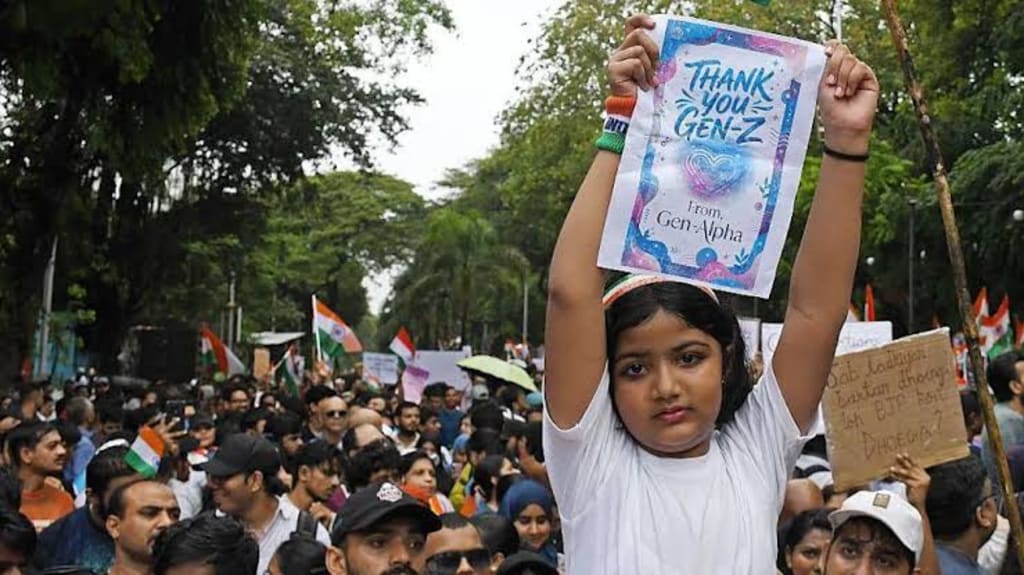
A new generation of political expression has entered India’s Parliament, with Gen Z slang becoming part of a debate surrounding a controversial “cockroach” protest. Terms such as “delulu” and “clock it,” commonly used on social media platforms by younger audiences, have moved from online conversations into the country’s political discussion, reflecting a changing style of communication among young Indians.
The unusual use of internet language in a parliamentary context has attracted widespread attention because it represents a growing connection between digital culture and traditional politics. For decades, parliamentary debates have been associated with formal speeches, carefully chosen words, and official language. However, the rise of social media has introduced new expressions that younger generations use to discuss politics, culture, and social issues.
The phrase “delulu,” short for “delusional,” has become popular among Gen Z internet users. It is often used humorously to describe unrealistic expectations or beliefs. Meanwhile, “clock it” is an expression meaning to notice, recognize, or call attention to something. These phrases have become part of a broader online vocabulary shaped by platforms such as TikTok, Instagram, and other digital communities.
The “cockroach” protest that brought these terms into political discussion has sparked debate over how young activists communicate their concerns. Supporters argue that using modern slang helps attract younger audiences and makes political conversations more accessible. Critics, however, question whether informal language belongs in serious political discussions.
The controversy highlights a wider generational shift in India’s public communication. A large percentage of the country’s population is young, and millions of first-time voters are heavily influenced by online conversations. Political groups, activists, and public figures are increasingly adapting their communication styles to connect with younger citizens who consume information differently from previous generations.
For many young people, internet language is not simply a trend but a reflection of identity and community. Slang allows online communities to create shared meanings and express opinions quickly. Supporters of using such language in public debates argue that politics must evolve with society and recognize the voices of younger citizens.
The use of Gen Z expressions in Parliament also raises questions about the future of political communication. Around the world, politicians have increasingly adopted social media trends, memes, and informal language to reach younger audiences. While some view this as a positive development that makes politics more relatable, others worry that important issues could be reduced to entertainment.
India’s political environment has always included different forms of protest and public expression. From traditional demonstrations to digital campaigns, citizens have used creative methods to draw attention to their causes. The “cockroach” protest represents another example of how symbolic actions and modern language can be used to create public discussion.
Experts in communication studies say that language naturally changes with each generation. Words that may appear unusual or informal to older audiences often become accepted over time as society changes. Many expressions that were once considered slang eventually become part of everyday conversation.
The debate surrounding Gen Z language in Parliament also reflects a larger conversation about youth participation in democracy. Young citizens are increasingly demanding a role in shaping political discussions and want institutions to recognize their experiences and methods of communication.
Social media has transformed how political messages spread. A statement made in Parliament can quickly become a viral topic online, while online movements can influence national conversations. This relationship between traditional institutions and digital platforms continues to reshape how political debates are created and shared.
However, communication experts emphasize that effective political discussion requires both accessibility and responsibility. While modern expressions can help attract attention, they must be used carefully when discussing serious issues affecting society.
The “delulu” and “clock it” moment in India’s Parliament is more than just a debate over slang. It represents a deeper cultural change where digital generations are bringing their own language, humor, and communication styles into traditional spaces.
As Gen Z becomes increasingly active in politics, similar moments are likely to occur more frequently. Governments, lawmakers, and institutions will continue to face the challenge of balancing traditional forms of debate with new methods of public engagement.
The controversy surrounding the “cockroach” protest shows that language is constantly evolving. Whether viewed as creative expression or an unnecessary distraction, the arrival of internet slang in Parliament demonstrates the growing influence of online culture on real-world conversations.
For India’s younger generation, the message is clear: their digital language and cultural identity are becoming part of the national conversation. The challenge for political institutions will be finding ways to listen, adapt, and communicate with a generation that speaks a different but increasingly influential language.
About the Creator
Enjoyed the story? Support the Creator.
Subscribe for free to receive all their stories in your feed.
Comments
There are no comments for this story
Be the first to respond and start the conversation.