
Danube water levels: Hungary, Romania cut nuclear output
Falling Danube River levels and rising temperatures force Hungary and Romania to reduce nuclear power output, highlighting the growing impact of climate change on Europe’s energy security.
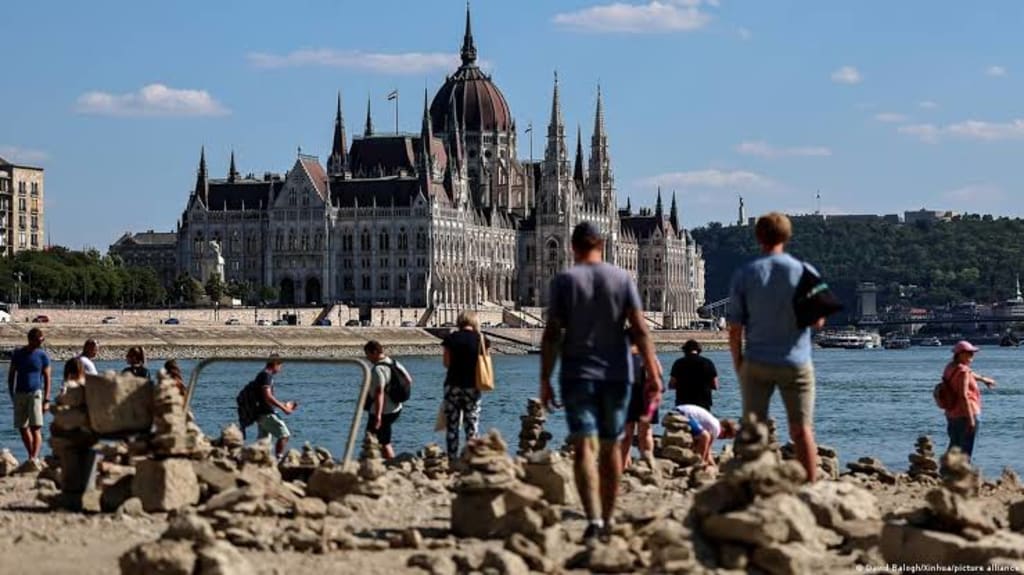
Low water levels on the Danube River have created new challenges for energy production in Central and Eastern Europe, forcing Hungary and Romania to reduce nuclear power output as rising temperatures and dry conditions affect cooling operations at major facilities.
The situation highlights the growing impact of extreme weather events on critical infrastructure. Nuclear power plants depend on reliable water supplies to support cooling systems, and rivers such as the Danube play an important role in maintaining safe and efficient operations.
Hungary and Romania rely heavily on nuclear energy as a stable source of electricity. Unlike renewable sources that depend on weather conditions such as wind and sunlight, nuclear power plants provide continuous electricity generation. However, they still require large amounts of water for cooling, making them vulnerable during periods of drought and unusually high temperatures.
The Danube River is one of Europe’s most important waterways, crossing several countries and supporting agriculture, transportation, industry, and energy production. In recent years, climate-related changes have increased concerns about lower river levels and warmer water temperatures.
When river levels fall, power plant operators must carefully monitor conditions to ensure that cooling systems continue operating within safety requirements. If water temperatures become too high or flow levels become too low, electricity production may need to be reduced to prevent environmental impacts and maintain safe plant operations.
Hungary’s nuclear power station at Paks, located along the Danube, is the country’s largest electricity producer. The facility depends on river water for cooling and has previously faced operational challenges during periods of extreme heat. Temporary reductions in output can occur when environmental conditions become difficult.
Romania’s Cernavodă nuclear power plant also depends on water from the Danube system. The facility plays a major role in Romania’s electricity supply, producing a significant share of the country’s nuclear-generated power. Lower river flows and warmer temperatures can affect how efficiently cooling processes operate.
Energy experts say these events demonstrate the importance of adapting infrastructure to a changing climate. Many power facilities around the world were designed based on historical weather patterns, but increasing temperatures and more frequent droughts are creating new challenges.
The reduction in nuclear output does not necessarily indicate a failure of the plants themselves. Instead, it reflects safety measures designed to ensure that operations remain within acceptable environmental and technical limits. Operators often adjust production levels as a precaution when natural conditions change.
The situation also raises broader questions about Europe’s energy security. Many countries are trying to balance reliable electricity supplies with environmental goals. Nuclear energy remains an important part of the energy mix for several European nations because it produces electricity with low carbon emissions.
However, climate change is creating new pressures on energy systems. Heatwaves increase electricity demand as households and businesses use more cooling equipment, while at the same time reducing the availability of some power sources. This combination can create additional stress during extreme weather periods.
Governments and energy companies are increasingly exploring solutions such as improved cooling technology, alternative water management strategies, and greater investment in diverse energy sources. These measures could help reduce the vulnerability of critical infrastructure during future climate events.
The Danube situation also affects industries beyond energy. Lower water levels can disrupt shipping routes, affect agricultural activities, and create challenges for communities that depend on the river. The river’s condition has become a visible indicator of the wider environmental changes affecting Europe.
Scientists have warned that drought conditions and rising temperatures may become more common in the coming decades. This has encouraged governments to reconsider how infrastructure is planned and managed.
For Hungary and Romania, maintaining reliable electricity supplies while protecting river ecosystems will remain a major challenge. Nuclear power plants must balance the need for energy production with environmental responsibilities.
The current reduction in nuclear output serves as a reminder that even advanced energy systems are connected to natural resources. Rivers, weather patterns, and climate conditions can directly influence modern economies and essential services.
As Europe faces more frequent extreme weather events, the experience along the Danube may encourage further investment in climate adaptation. Energy security in the future will depend not only on building new power sources but also on ensuring existing infrastructure can withstand changing environmental conditions.
The Danube’s falling water levels represent more than a temporary energy problem. They reflect a larger global challenge: adapting vital systems to a world where climate conditions are becoming increasingly unpredictable.
About the Creator
Enjoyed the story? Support the Creator.
Subscribe for free to receive all their stories in your feed.
Comments
There are no comments for this story
Be the first to respond and start the conversation.