
British Airways flight called mayday on approach to Heathrow
A British Airways flight issued a mayday call while approaching Heathrow Airport, prompting emergency procedures and highlighting how pilots, air traffic controllers, and rescue teams respond to potential in-flight emergencies.
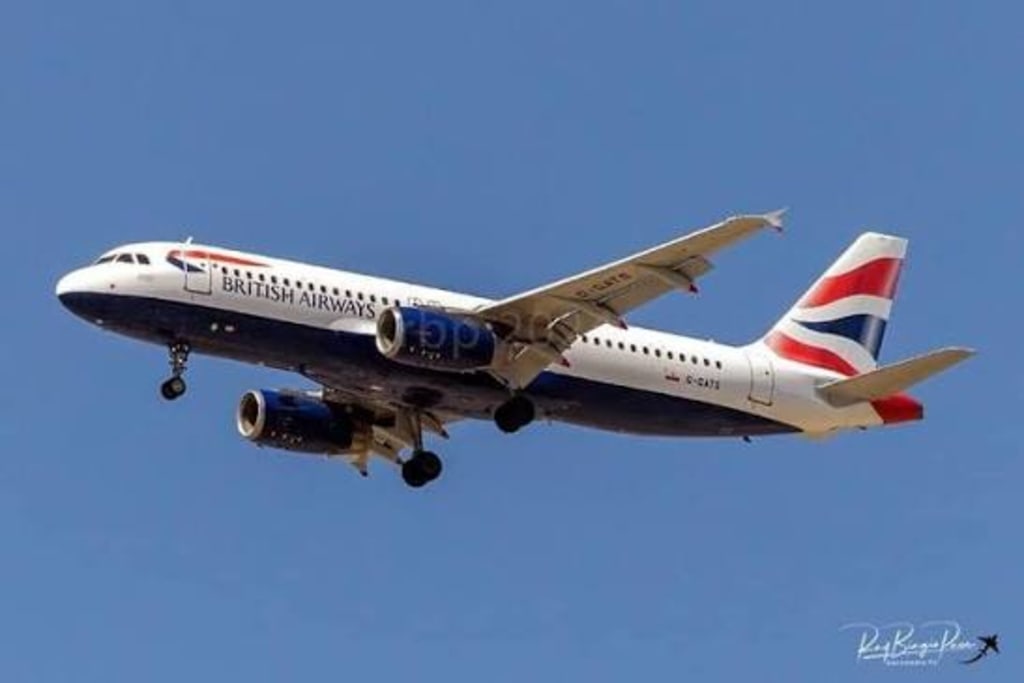
A British Airways flight approaching London Heathrow Airport reportedly issued a mayday call, triggering a rapid response from air traffic controllers and emergency teams as aviation authorities assessed the situation. The incident highlighted the importance of emergency procedures and the highly coordinated systems designed to protect passengers and crew during moments of uncertainty.
A mayday call is the most serious emergency signal used in aviation. Pilots use it when they believe there is an immediate threat to the safety of the aircraft, passengers, or crew. Once a mayday is declared, air traffic controllers prioritize the aircraft, clear the runway if necessary, and prepare emergency services for a possible response.
The British Airways aircraft was on approach to Heathrow, one of the world’s busiest airports and a major international hub. The airport handles hundreds of flights every day, requiring highly organized coordination between airlines, pilots, controllers, and ground teams.
According to aviation procedures, pilots may declare a mayday for a wide range of reasons, including technical problems, medical emergencies, severe weather conditions, fuel concerns, or issues affecting the aircraft’s ability to land safely. A mayday call does not always mean a crash is likely; in many cases, it allows crews to receive immediate assistance and additional priority.
Passengers on board may not always be aware of the seriousness of such a situation. Modern aircraft are designed with multiple safety systems and backup measures, allowing pilots to manage many emergency scenarios effectively. Airline crews receive extensive training to handle unexpected events and make decisions under pressure.
The response at Heathrow follows strict emergency protocols. Once controllers receive a mayday message, they communicate directly with the pilots to understand the nature of the problem. Emergency vehicles, including airport fire and rescue teams, are normally positioned near the runway as a precaution.
Safety experts say these procedures are a normal part of commercial aviation. Airports regularly conduct emergency exercises to ensure that staff can respond quickly if a genuine incident occurs. The goal is not only to deal with accidents but also to prevent them by providing immediate support during any potential threat.
British Airways, one of the United Kingdom’s largest airlines, operates a large fleet of aircraft connecting Heathrow with destinations around the world. The airline has a strong safety record and follows international aviation regulations established by organizations including the UK Civil Aviation Authority and global aviation bodies.
When an emergency situation occurs, investigators typically examine flight data, cockpit communications, maintenance records, and weather conditions. These investigations help determine what happened and whether any improvements are needed.
Aviation analysts emphasize that emergency declarations are handled seriously but should not automatically be interpreted as a sign of disaster. Pilots are trained to be cautious and may issue a mayday when they need extra support, even if the aircraft remains under control.
The incident also reflects the complexity of modern air travel. Thousands of flights operate safely every day, but aviation systems are designed around the principle that unexpected situations can happen. Emergency procedures exist because preparation and quick communication save lives.
For passengers, such incidents can be frightening, especially when they hear about emergency calls after landing or through news reports. However, aviation remains one of the safest forms of transportation because of strict regulations, advanced technology, and professional training.
Heathrow Airport has previously managed similar emergency situations involving aircraft requiring priority landings. In most cases, aircraft land safely, passengers leave normally, and investigations begin afterward to understand the cause.
The British Airways mayday call serves as another reminder of the importance of aviation safety systems. Behind every emergency response is a network of professionals working together — pilots making critical decisions, controllers managing airspace, and emergency teams prepared to act within minutes.
As authorities review the circumstances surrounding the flight, further details may emerge about what caused the aircraft to request emergency assistance. Until official findings are released, aviation experts caution against speculation and stress that emergency procedures are designed precisely to handle situations like this.
The event demonstrates that while air travel involves complex technology and risks, the aviation industry’s safety culture is built around preparation, communication, and rapid response. A mayday call is a serious moment, but it is also evidence that safety systems are working as intended.
About the Creator
Enjoyed the story? Support the Creator.
Subscribe for free to receive all their stories in your feed.
Comments
There are no comments for this story
Be the first to respond and start the conversation.