
Avalanche Tragedy Strikes Nirmal Purja’s Team as Four Climbers Reportedly Killed and Six Feared Missing
Rescue teams race against time after a deadly avalanche strikes a high-altitude expedition, leaving the climbing world in shock. A mountain disaster raises fresh concerns about the dangers faced by elite climbers in extreme environments. Four lives lost and a desperate search underway as rescuers battle harsh conditions after the avalanche. The climbing community mourns as one of the world’s most challenging environments turns deadly. A devastating avalanche highlights the unpredictable risks of high-altitude mountaineering.
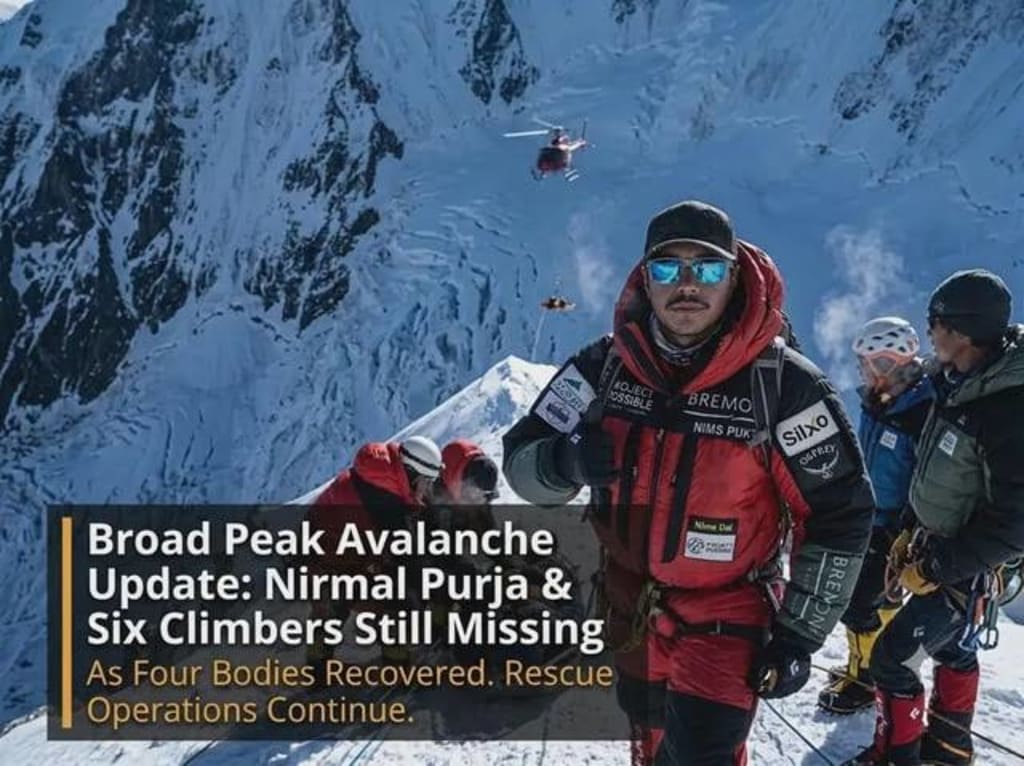
A devastating avalanche has reportedly struck a mountaineering expedition involving renowned Nepalese climber Nirmal Purja, leaving four climbers dead and six others feared missing. The incident has once again highlighted the extreme risks faced by mountaineers operating in some of the world’s most dangerous high-altitude environments.
According to reports surrounding the incident, the avalanche hit while members of the expedition were attempting to navigate challenging mountain terrain. Avalanches remain among the greatest dangers in high-altitude climbing, capable of overwhelming experienced teams within seconds and leaving rescuers with difficult conditions to search for survivors.
Nirmal Purja, widely known for his extraordinary achievements in mountaineering, has built a reputation for leading ambitious expeditions on some of the planet’s highest peaks. His team members often operate in environments where extreme weather, unstable snow conditions, and rapidly changing terrain create constant hazards.
The reported deaths and missing climbers have sent shockwaves through the global mountaineering community. Fellow climbers, rescue organizations, and adventure enthusiasts have expressed concern and sympathy for those affected by the tragedy. High-altitude climbing is considered one of the most demanding sporting challenges, requiring not only physical strength but also careful planning, technical skill, and the ability to make critical decisions under pressure.
Avalanches occur when layers of snow become unstable and collapse down a mountain slope. Factors such as heavy snowfall, temperature changes, wind conditions, and vibrations can contribute to triggering these events. Even experienced climbers with advanced equipment can face serious danger when an avalanche begins.
Search and rescue operations following such incidents are often extremely complicated. Rescue teams must work at high elevations where oxygen levels are significantly lower, while also dealing with freezing temperatures and the possibility of additional avalanches. Specialized equipment, including avalanche detection devices, search probes, and trained rescue dogs, may be used during operations.
The disappearance of climbers in avalanche zones creates a race against time. Survival chances can depend on several factors, including the depth of burial, access to air pockets, weather conditions, and how quickly rescuers can reach affected areas. However, difficult terrain and continued avalanche risks often slow emergency responses.
The incident has renewed discussion about safety measures in modern mountaineering. While advances in equipment, forecasting technology, and climbing techniques have improved safety, mountains remain unpredictable environments. Even the most skilled climbers cannot completely eliminate natural risks.
Purja’s expeditions have previously attracted worldwide attention due to their ambitious goals and record-breaking achievements. His success in climbing the world’s highest peaks has made him one of the most recognized figures in international mountaineering. However, the latest reported tragedy serves as a reminder that success in climbing is always accompanied by significant danger.
The mountaineering world has experienced several major tragedies throughout history, with avalanches among the leading causes of fatalities. These disasters often lead to investigations into weather conditions, route choices, team decisions, and safety procedures. Lessons learned from such events are frequently used to improve future expedition planning.
Family members and colleagues of those affected are now awaiting further information as authorities and rescue teams continue efforts to locate missing climbers and determine the full impact of the disaster. For the climbing community, every lost life represents not only a personal tragedy but also a reminder of the risks taken by those who pursue exploration in extreme environments.
As more details emerge, attention will focus on the rescue operation, the condition of survivors, and the circumstances that led to the avalanche. Experts are expected to examine the mountain conditions and weather patterns to understand how the disaster unfolded.
The tragedy highlights both the beauty and danger of the world’s highest mountains. For climbers, these peaks represent challenge, achievement, and discovery, but they also demand respect and caution. The reported loss of climbers in this avalanche is a painful reminder that even the most experienced adventurers remain vulnerable to nature’s powerful forces.
The international climbing community continues to follow developments closely, hoping for further information about those missing and offering support to everyone affected by the incident.
About the Creator
Enjoyed the story? Support the Creator.
Subscribe for free to receive all their stories in your feed.
Comments
There are no comments for this story
Be the first to respond and start the conversation.