
As Europe heats up, summer power prices match winter peaks
Extreme heatwaves push electricity demand higher as Europe faces a new era of summer energy challenges. Rising temperatures and growing cooling needs are transforming Europe’s traditional energy patterns. Heatwaves drive power markets to winter-like levels as governments prepare for future climate pressures. Europe’s electricity systems face growing pressure as record heat creates unprecedented summer demand. Climate change is reshaping energy consumption, turning hot summers into critical power tests.
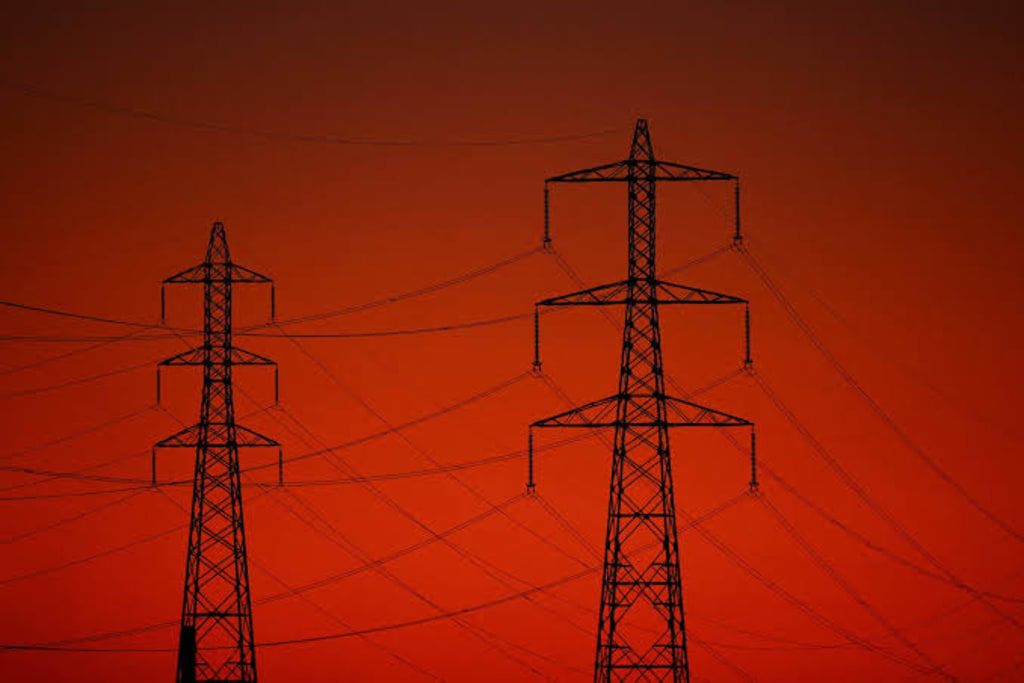
Europe’s energy market is facing a new challenge as extreme summer temperatures drive electricity demand to levels traditionally associated with the coldest months of the year. Across several European countries, power prices have surged as households, businesses, and public services increase their use of air conditioning and cooling systems to cope with record-breaking heat.
For decades, Europe’s electricity demand patterns were largely predictable. Winter months usually brought the highest consumption because of heating needs, shorter daylight hours, and increased industrial activity. However, rising temperatures and more frequent heatwaves are changing this pattern. Summers are becoming periods of intense energy pressure, with power markets experiencing price levels once considered typical only during winter crises.
The main factor behind the summer price increase is the growing demand for cooling. As heatwaves become longer and more severe, millions of households rely on air conditioning and ventilation systems for comfort and safety. Commercial buildings, hospitals, data centers, and industrial facilities also require additional electricity to maintain operations during extreme weather.
This surge in demand places pressure on national power grids. When temperatures rise, electricity producers must increase output quickly to prevent shortages. However, extreme heat can also reduce the efficiency of some energy systems. Thermal power plants may face challenges because high temperatures affect cooling processes, while drought conditions can reduce water availability for certain electricity generation facilities.
Renewable energy sources, particularly solar power, have helped Europe manage rising electricity needs during hot periods. Sunny weather often increases solar generation, providing additional electricity during daytime hours when demand for cooling is highest. However, solar production declines after sunset, creating challenges during evening hours when people return home and continue using cooling systems.
Wind power, another major renewable source in Europe, can be unpredictable during heatwaves. Some hot weather systems are accompanied by low wind speeds, reducing electricity generation from wind farms. This can force countries to rely more heavily on other energy sources to maintain supply.
Energy markets are also affected by fuel prices, infrastructure limitations, and international factors. Natural gas remains an important part of Europe’s electricity system, and changes in global energy markets can influence power costs. Although Europe has increased renewable energy capacity in recent years, fossil fuels still play a role in balancing supply when demand rises suddenly.
The impact of higher summer electricity prices is being felt by consumers. Many households already struggling with increased living costs are facing concerns about rising energy bills. Governments across Europe have introduced various measures in recent years to protect consumers from energy price shocks, but sustained periods of extreme heat could create new financial pressures.
Businesses are also adapting to the changing energy environment. Manufacturing companies, retailers, and service providers are reviewing their energy strategies to reduce costs during peak demand periods. Some are investing in energy efficiency measures, while others are exploring battery storage and smart energy management systems.
The situation has increased attention on Europe’s long-term energy transition. Policymakers argue that expanding renewable energy, improving electricity networks, and increasing energy storage capacity will be essential for managing future demand. As climate change intensifies, energy systems designed mainly around winter needs must adapt to a world where summer heat creates equal or greater challenges.
Grid modernization has become a key priority. Many European electricity networks were built decades ago and are now facing new demands from electric vehicles, renewable energy sources, and extreme weather events. Upgrading transmission lines, improving cross-border electricity connections, and developing advanced monitoring systems are considered necessary steps to improve reliability.
Climate experts warn that heatwaves are likely to become more frequent and intense in the coming decades. This means Europe’s electricity markets may need to prepare for a future where summer demand peaks become a normal feature rather than an unusual event.
Energy companies are also exploring new solutions, including large-scale battery storage, demand-response programs, and improved forecasting technology. These tools can help balance supply and demand by storing excess electricity during periods of low demand and releasing it when consumption rises.
The shift from winter energy pressure to year-round challenges represents a major transformation for Europe’s power sector. The continent is not only dealing with the effects of climate change but also managing the complex transition toward cleaner energy sources.
As temperatures continue to rise, electricity will become increasingly important for protecting public health, maintaining economic activity, and supporting daily life. Europe’s ability to handle future heatwaves will depend on investments made today in infrastructure, renewable energy, and smarter power management.
The summer energy challenge is no longer a temporary problem caused by occasional heatwaves. It is becoming a defining issue for Europe’s energy future, forcing governments, companies, and consumers to rethink how electricity is produced, distributed, and used in a warming world.
About the Creator
Enjoyed the story? Support the Creator.
Subscribe for free to receive all their stories in your feed.
Comments
There are no comments for this story
Be the first to respond and start the conversation.