
‘A Wake-Up Call’: Massive Wildfires Pierce Madrid’s Bubble
A wave of destructive wildfires near Spain’s capital has shattered the sense of security among residents, raising urgent questions about climate risks, urban planning, and emergency preparedness.
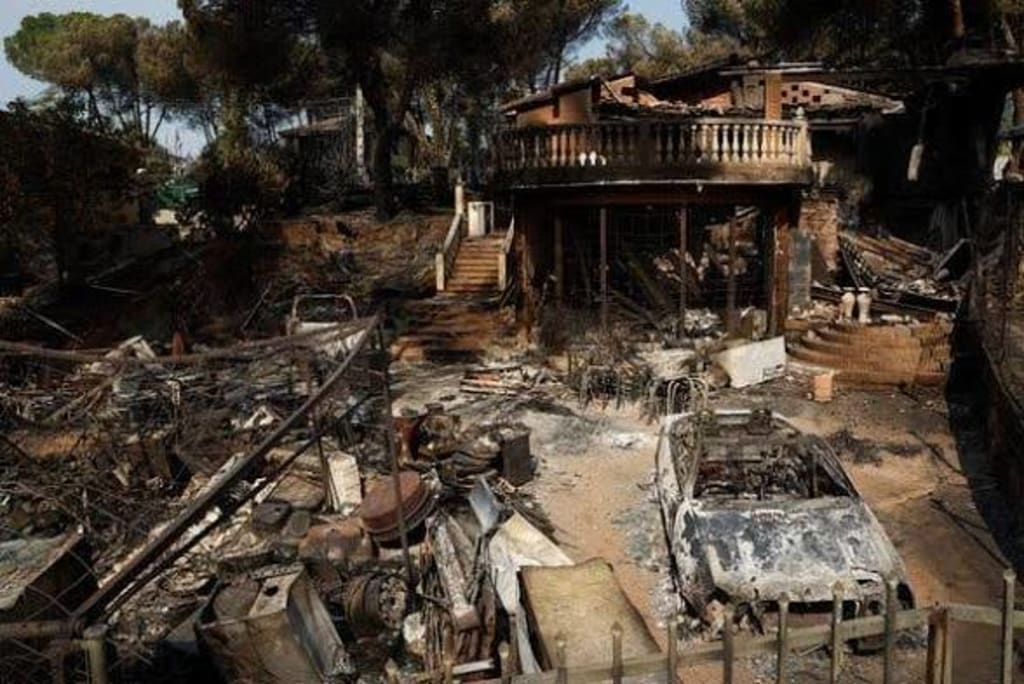
For years, Madrid has been viewed as a city somewhat protected from the worst impacts of Spain’s increasingly severe wildfire seasons. While rural provinces and forested regions frequently faced devastating blazes, the capital often appeared separated from the crisis. But a series of massive wildfires spreading near Madrid has changed that perception, forcing residents and authorities to confront a growing environmental threat that experts have warned about for years.
The fires have sent thick smoke across parts of the region, turning skies hazy and creating anxiety among communities that rarely considered themselves directly vulnerable to large-scale wildfire emergencies. Firefighters have battled intense flames fueled by dry vegetation, extreme heat, and strong winds, conditions that have become more common across southern Europe during recent summers.
For many Madrid residents, the events represent more than a natural disaster. They are being described as a wake-up call — a reminder that climate-related emergencies are no longer limited to distant rural areas but can affect major urban centers as well.
Emergency crews have been deployed with helicopters, firefighting aircraft, and ground teams to contain the spreading flames. Their work has been complicated by difficult terrain, high temperatures, and unpredictable wind changes that can rapidly alter the direction of a fire. Firefighters have focused on protecting homes, critical infrastructure, and vulnerable communities located near affected areas.
Local authorities have urged residents to remain alert and follow official instructions. Some neighborhoods have faced evacuation warnings, while others have experienced temporary restrictions as emergency teams work to control dangerous zones. Officials have emphasized that even when flames appear to be slowing, hidden hotspots can reignite and create new threats.
The wildfires have also highlighted the increasing challenges facing Spain as it experiences hotter and drier conditions. Scientists say climate change is contributing to longer heatwaves, reduced rainfall, and extremely dry landscapes that provide ideal fuel for fires. These factors allow wildfires to start more easily and spread faster than in previous decades.
Madrid’s experience reflects a broader trend across Europe, where countries have faced some of their most severe wildfire seasons in recent years. From the Mediterranean coast to inland forests, communities have struggled with fires that have destroyed homes, damaged ecosystems, and forced thousands of people to evacuate.
Environmental experts argue that the crisis requires more than emergency firefighting. They say governments must invest in prevention measures, including better forest management, vegetation control, early warning systems, and improved urban planning. As cities expand into areas near forests and rural land, the boundary between urban life and wildfire risk continues to shrink.
The fires have raised questions about whether Madrid and other major cities are fully prepared for climate-related emergencies. While Spain has developed strong firefighting capabilities, experts warn that prevention and adaptation must become greater priorities. A strategy focused only on fighting fires after they begin may not be enough as extreme weather events become more frequent.
Residents living near affected areas have shared stories of fear and uncertainty. Some described watching smoke approach their homes while waiting for updates from authorities. Others said they had never imagined experiencing a wildfire threat so close to the capital.
For many people, the disaster has changed their understanding of environmental risks. The assumption that large cities are naturally protected from wildfires is becoming outdated as climate conditions shift. Urban populations are increasingly facing challenges once considered limited to rural regions.
The economic impact of wildfires can also be significant. Damage to homes, agricultural land, businesses, and tourism activities can take years to recover. Local communities often face long-term consequences even after flames are extinguished, including damaged landscapes, reduced air quality, and increased risk of future fires.
The psychological impact is another concern. Emergency officials and community organizations have highlighted the stress experienced by residents who are forced to evacuate or fear losing their homes. Repeated climate-related disasters can create lasting anxiety, particularly among communities that experience multiple emergencies over time.
Spanish officials have called for greater cooperation between national, regional, and local authorities to address the growing wildfire challenge. They have also emphasized the importance of public awareness, encouraging citizens to take precautions during periods of extreme fire risk.
Madrid’s wildfire crisis comes at a time when governments across Europe are debating how to respond to accelerating climate threats. The challenge involves balancing economic development, environmental protection, and public safety. Experts say that delaying action could increase future costs and risks.
While firefighters remain on the front line, scientists and policymakers argue that the real battle extends beyond controlling individual fires. It involves preparing societies for a changing climate and reducing the conditions that allow disasters to grow.
The recent fires around Madrid have become a powerful symbol of this new reality. A city once viewed as distant from wildfire danger has been forced to recognize that no major population center is completely immune.
For residents, the message is clear: climate risks are moving closer to everyday life. The flames surrounding Madrid have not only damaged landscapes — they have challenged assumptions about safety and preparedness. As the region begins recovery efforts, many believe the fires should serve as a turning point, pushing authorities and communities to take stronger action before the next emergency arrives.
About the Creator
Enjoyed the story? Support the Creator.
Subscribe for free to receive all their stories in your feed.
Comments
There are no comments for this story
Be the first to respond and start the conversation.