
Russia Nuclear Attack on Europe
The Global Fear of Nuclear War and Its Possible Consequences

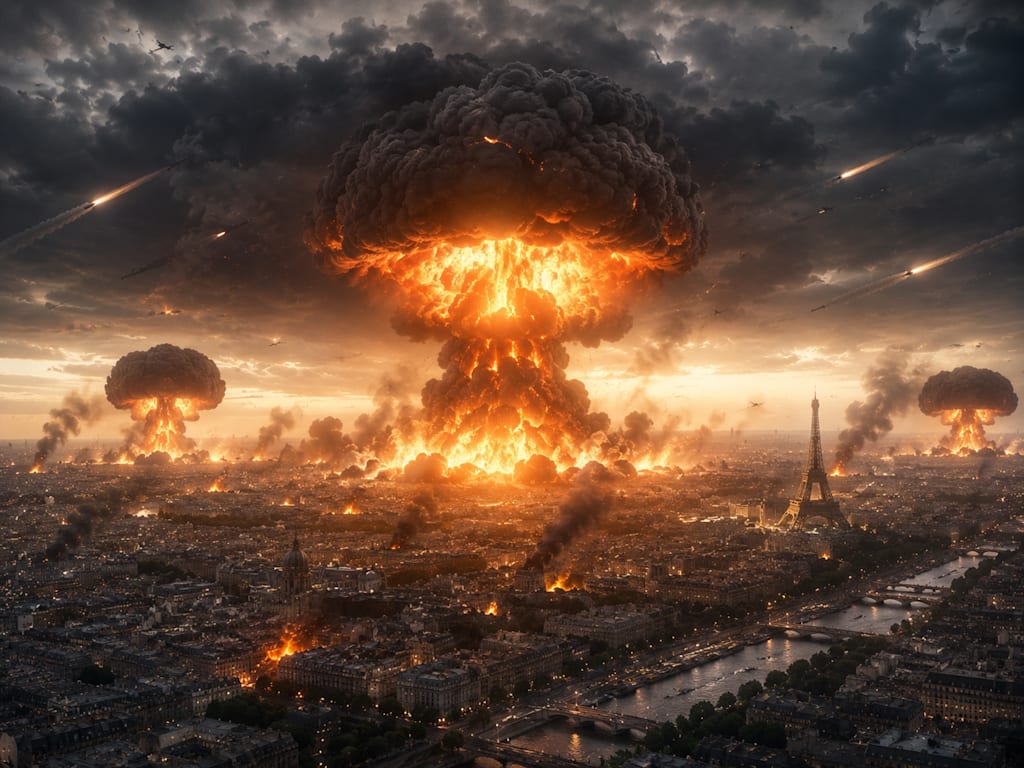
Russia Nuclear Attack on Europe
The possibility of a nuclear attack involving Russia and Europe is one of the most frightening scenarios in modern international politics. Although such an event has not happened, rising tensions between Russia and Western countries have increased global fears about the future of peace and security. Political conflicts, military alliances, economic sanctions, and regional wars have created a dangerous atmosphere in international relations. Experts around the world continue to warn that nuclear conflict would become one of the greatest disasters in human history.
Nuclear weapons are the most destructive weapons ever created by humanity. Unlike traditional bombs, nuclear explosions can destroy entire cities within seconds. The effects include massive heat, shockwaves, radiation, environmental destruction, and long-term health problems. Millions of people could lose their lives instantly, while survivors would suffer from radiation sickness, hunger, disease, and psychological trauma.
Russia possesses one of the world’s largest nuclear arsenals. During the Cold War, the Soviet Union and the United States built enormous numbers of nuclear weapons as part of military competition. Even after the Cold War ended, many countries continued maintaining powerful nuclear systems for deterrence and national defense. Today, Russia, the United States, China, France, and the United Kingdom remain among the major nuclear powers.
Tensions between Russia and European countries have increased in recent years because of regional conflicts, military activities, and political disagreements. The war in Ukraine greatly affected relations between Russia and NATO countries. European nations supported Ukraine through economic aid, military equipment, and diplomatic pressure on Moscow. In response, Russia criticized Western involvement and warned against direct military escalation.
Many analysts fear that if conflicts continue to grow, misunderstandings or military mistakes could increase the risk of larger confrontation. Nuclear threats create fear not only in Europe but across the entire world because modern warfare affects global economies, communication systems, food supplies, and international security.
If a nuclear attack were ever to occur in Europe, the consequences would be catastrophic. Major cities could face complete destruction. Millions of civilians would be forced to flee their homes, creating one of the largest humanitarian crises in history. Hospitals, transportation systems, electricity networks, and communication infrastructure could collapse within hours.
Another major danger would be radioactive fallout. Radiation spreads through the air, water, and soil, affecting both humans and nature. Agricultural land could become unsafe, leading to food shortages and economic collapse. Scientists also warn about the possibility of a “nuclear winter,” where smoke and dust block sunlight, lowering global temperatures and damaging agriculture worldwide.
The economic impact would also be enormous. Europe is one of the world’s largest economic regions, connected closely with global trade and financial systems. A major war involving nuclear weapons could crash international markets, disrupt oil and gas supplies, and create worldwide financial instability. Countries far from Europe would also suffer economic damage because modern economies are deeply interconnected.
Modern warfare is not limited to missiles and bombs. Cyber warfare and artificial intelligence have become important parts of military strategy. In a large international conflict, cyberattacks could target banking systems, airports, military communication, and energy networks. Digital warfare can create panic and confusion even before physical attacks occur.
Despite these fears, many world leaders and organizations continue working to prevent nuclear war. The United Nations encourages diplomacy, peace negotiations, and international cooperation. Nuclear treaties and arms control agreements were created to reduce the risk of global destruction. Many countries support diplomatic dialogue instead of military escalation.
Ordinary citizens around the world also strongly oppose nuclear war because they understand that humanity cannot truly “win” such a conflict. Peace movements, international organizations, scientists, and humanitarian groups continue warning about the dangers of nuclear weapons. Education about history and global cooperation remains important for preventing future disasters.
The media also plays a powerful role during international crises. News about military tensions spreads rapidly through television and social media. However, misinformation and propaganda can increase fear and confusion. Responsible journalism and accurate information are essential during sensitive global events.
In conclusion, the fear of a Russian nuclear attack on Europe represents a larger concern about global instability and the future of humanity. Although such a disaster has not occurred, rising international tensions remind the world how dangerous modern conflict can become. Nuclear war would bring destruction not only to Europe but to the entire planet. The future of peace depends on diplomacy, wise leadership, international cooperation, and the willingness of nations to choose dialogue instead of destruction.
About the Creator
Wings of Time
I'm Wings of Time—a storyteller from Swat, Pakistan. I write immersive, researched tales of war, aviation, and history that bring the past roaring back to life
Enjoyed the story? Support the Creator.
Subscribe for free to receive all their stories in your feed.
Comments
There are no comments for this story
Be the first to respond and start the conversation.