
Pre-IPO Synthetic Assets: How Ordinary Investors Can Access Pre-IPO Companies With a Low Barrier to Entry
From SpaceX to OpenAI — New Ways for Retail Investors to Get in Early

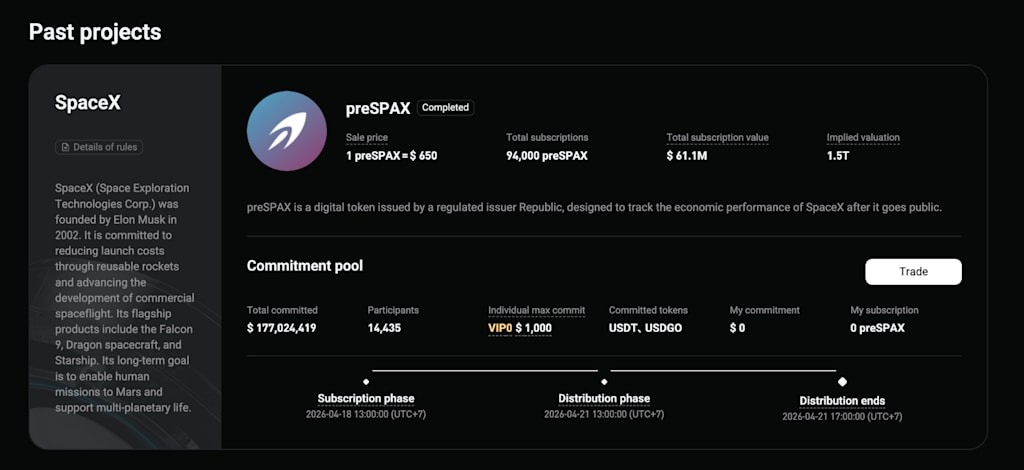
If you’re an ordinary investor who has always wanted a piece of hot pre-IPO companies like SpaceX or OpenAI, you used to be out of luck. Those opportunities were reserved for institutions and ultra-wealthy individuals.
But things are changing fast. Pre-IPO synthetic assets now let regular investors gain exposure to these exciting companies with relatively low barriers. Here’s a clear, practical breakdown of how these products work and what you need to know.
Three Main Types of Pre-IPO Synthetic Assets
There are currently three popular ways to get exposure to pre-IPO companies:
1. Real Equity Mapping (SPV Tokenization)
This is the most direct approach. Platforms like Binance Wallet (in partnership with PreStocks) and Jarsy create a Special Purpose Vehicle (SPV) that actually buys shares in the unlisted company. They then tokenize the ownership interest.
When you buy the tokens, you own a proportional economic stake in the real shares. This model gives the closest thing to actual equity ownership.
2. Synthetic / Mirror Assets (Structured Notes)
Popular examples include Gate.io’s SPCX and Bitget’s preSPAX. In this model, the platform holds a small hedge position in the company’s equity or derivatives, then issues certificates that track the price.
Users get exposure to the price movement without owning the actual shares. The product is backed by the platform’s credit rather than direct equity.
3. Private valuation perpetual futures
This is the simplest and most flexible option. Platforms like Ventuals (on Hyperliquid), OKX, and Gate.io offer perpetual futures contracts based on the company’s valuation.
Traders can go long or short with leverage, using funding rates to keep positions open. There’s no actual equity involved — it’s pure price speculation on the company’s valuation.
What Are the Risks You Should Know?
While these synthetic assets make pre-IPO investing more accessible, they come with important risks:
Counterparty Risk
Except for real equity mapping (Type 1), most products don’t hold actual shares. If the platform or hedging partner runs into trouble, your investment could lose significant value.
Liquidity and Lock-up Risk
Pre-IPO markets often have low liquidity, making it hard to exit large positions without slippage. Many products also have 6–12 month lock-up periods.
Valuation Mismatch Risk
Prices are often based on platform oracles, which may differ greatly from the actual IPO price. If the IPO is delayed or fails, these products can drop sharply.
Regulatory Uncertainty
The legal status of these synthetic assets is still unclear in many jurisdictions. There’s always a risk of sudden delisting or regulatory changes.
Why Pre-IPO Synthetic Assets Matter
These new instruments are opening the door for everyday investors to participate in some of the most anticipated IPOs of our time. They lower the minimum investment size dramatically and provide more flexible ways to express bullish (or bearish) views on private companies.
Looking Forward
As more mega IPOs approach, pre-IPO synthetic assets are likely to become even more popular. Whether through tokenized real equity, mirror notes, or perpetual futures, these tools are reshaping how retail investors access private markets.
However, success still requires careful research and risk management. Start small, understand the specific product structure, and only invest what you can afford to lose.
For investors willing to do their homework, pre-IPO synthetic assets offer an exciting new way to get in early on the next generation of groundbreaking companies.
About the Creator
Enjoyed the story? Support the Creator.
Subscribe for free to receive all their stories in your feed.
Comments
There are no comments for this story
Be the first to respond and start the conversation.