
How to Get a Better Exchange Rate on Your Next Holiday
Better Exchange Rate

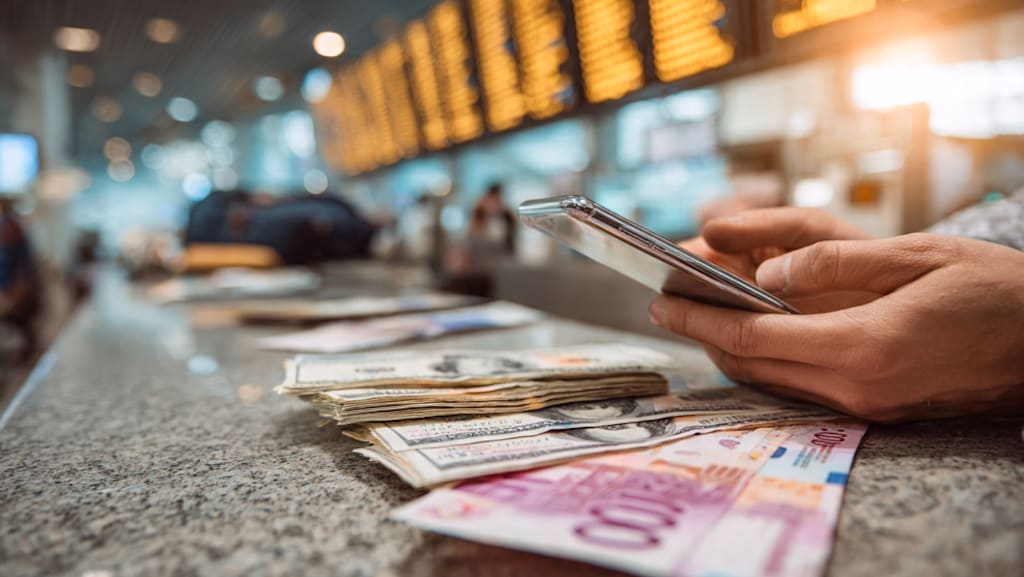
Currency exchange is one of those holiday costs people tend to ignore until they're standing at the airport bureau de change wondering why £500 just turned into a disappointing pile of euros. The truth is, where and when you change your money has a bigger impact on your spending power than most travellers realise.
Here are some practical ways to keep more of your money in your pocket before you fly.
Avoid Airport Currency Counters
Airport bureaux know they have a captive audience. Travellers who forgot to sort their money in advance are stuck choosing between poor rates and going without cash. Margins at airport counters can be 10 to 15 percent worse than online providers, which means a £1,000 exchange could cost you £100 to £150 more than necessary.
The same applies to currency counters in tourist hotspots abroad. If you have to use one, compare a few before committing.
Compare Online Providers Properly
Not all currency providers display rates the same way. Some advertise headline rates that only apply to large transactions or specific currencies. Others bundle in delivery fees that quietly eat into your total.
When comparing, look at:
● The exact rate for the amount you want to exchange
● Delivery costs for amounts under their free threshold
● Whether collection options are available near you
● How quickly the currency arrives if you're ordering close to your departure
Online specialists like Travel FX tend to offer noticeably better rates than high street banks and Post Offices because they operate with lower overheads and pass the savings on to customers. Ordering a few days before your trip also gives you time to receive the cash without paying express delivery fees.
Don't Leave It Until the Last Minute
Exchange rates move daily. If you check rates a month before your holiday and they look favourable, locking them in early can save you money if the pound weakens before you travel. Some providers let you place a buy order at a specific rate, which can be useful if you're flexible on timing.
That said, predicting currency movements is a fool's errand. The point isn't to time the market, it's to give yourself the option of buying when rates are good rather than being forced to accept whatever's on offer the day before you fly.
Use a Mix of Cash and Cards
Cash isn't the only consideration. Many travellers now use prepaid travel cards or fee-free debit cards for most of their spending and only carry a small amount of physical currency for tips, taxis, and places that don't take cards.
A sensible split for a one-week holiday might be:
● Enough cash for the first day or two of arrivals, taxis, and small purchases
● A travel card or fee-free debit card for everything else
● A backup credit card stored separately in case of theft or loss
This approach reduces how much currency you need to exchange upfront, which limits your exposure if you don't spend it all and want to convert it back.
Watch Out for Conversion Tricks at the Till
If you pay by card abroad, you'll often be asked whether you want to be charged in the local currency or in pounds. Always choose the local currency. Picking pounds (a process called dynamic currency conversion) lets the merchant set the exchange rate, and it's almost always worse than what your own card provider would give you.
The same applies to ATM withdrawals. Decline any offer to convert at the machine and let your bank handle it.
Bring Back What You Don't Spend
Leftover holiday cash sitting in a drawer is money you've already paid to convert once. Many online providers offer buyback services at competitive rates, sometimes guaranteeing the rate at the point you originally bought. If you travel regularly, building this into your routine means you're not losing money to repeated conversions every time you go away.
The Bottom Line
Most people accept poor exchange rates because comparing options feels like a chore. In reality, ten minutes of comparison before a holiday can save you the equivalent of a nice meal out. Pre-order online, avoid airports, pay in local currency abroad, and make sure you have a plan for any cash you bring home.
Small habits, meaningful savings.
About the Creator
Gulshan
SEO Services, Guest Post & Content Writter.
Enjoyed the story? Support the Creator.
Subscribe for free to receive all their stories in your feed.
Comments
There are no comments for this story
Be the first to respond and start the conversation.