
How the Philippines Became a Global Pioneer in Stablecoin Payments
How Coins.ph integrated stablecoins into the Philippines' national payment network — and what it means for the future of money

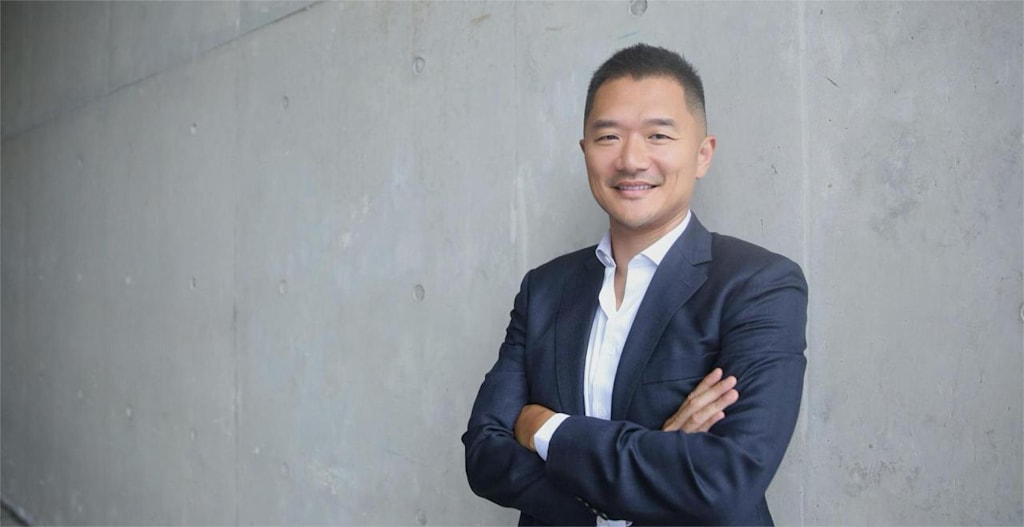
While the United States was still debating the framework for stablecoin regulation, the Philippines quietly did something no country had done before: it integrated dollar stablecoins directly into its national payment infrastructure.
Earlier this year, Coins.ph — the Philippines' largest crypto platform with over 18 million users — became the first e-wallet in the country to enable stablecoin payments through QRPh, the national QR payment standard developed by the Bangko Sentral ng Pilipinas (BSP), the country's central bank. The result: Filipinos can now pay with USDT or USDC at any of the country's 700,000 QRPh-enabled merchants by scanning a single QR code. No conversion step required. No crypto wallet needed on the merchant side. The merchant sees pesos. The user spends crypto.
"The user picks the asset at checkout — pesos in the wallet, USDT, USDC, BTC, or ETH," explains Ding'an Fei, Managing Partner at Joffre Capital and Chairman of Coins.ph and Investing.com. "Coins converts in the background and settles to the merchant in pesos. The merchant sees a normal QRPh receipt; they don't have to know or care that a crypto asset was involved."
The scale of the infrastructure underpinning this is significant. The QRPh network is now processing north of 20 million transactions a day, more than tripling year-on-year. Coins.ph is one of the largest processors on the network, settling hundreds of millions of dollars in volume every month. Of the crypto payment activity on the platform, the majority is in stablecoins.
A Real-Economy Crypto Market
What makes the Philippines a uniquely fertile ground for this kind of innovation is the nature of its crypto adoption. The country ranks 4th globally in crypto adoption according to TRM Labs' 2025 report, up from 8th in 2024 — but unlike many markets where adoption is driven by speculation, the Philippines is different.
"Adoption here is primarily not retail speculation — it's remittance and payments use," says Fei. "The Philippines is the real-economy crypto market."
The remittance opportunity is enormous. Overseas Filipinos — an estimated 20 million working abroad — sent home roughly $35 billion last year, making the Philippines one of the largest remittance corridors in the world. Traditional channels charge fees of 2-4% or more. Stablecoin rails can cut that cost by more than 90%, with settlement that is orders of magnitude faster.
"The destination side is solved," Fei says. "The sender abroad sends USDT or USDC to a Coins.ph wallet. We convert to pesos at institutional pricing and the recipient has it in their bank account or e-wallet. Fees are more than 90% lower and settlement is a thousand times faster."
The major remittance companies serving Filipino overseas workers already run on Coins — providing regulated peso liquidity, instant FX, and last-mile payout into bank accounts and e-wallets.
A Regulator Worth Watching
Central to the Philippines' emergence as a global leader in real-economy crypto use is the role of the BSP, which Fei describes as one of the most forward-looking central banks in the region on digital finance.
Coins.ph operates as a BSP-licensed VASP (Virtual Asset Service Provider) and EMI (Electronic Money Issuer). On peso stablecoins specifically, the BSP took a sandbox-first approach — allowing issuers to run real use cases under close supervision before graduating to full operation.
PHPC, Coins.ph's own peso-backed stablecoin, entered the sandbox in 2024 and graduated in June 2025.
"BSP is a serious, engaged partner," says Fei. "We think the framework they've built is a major reason the Philippines is emerging as a global leader in real-economy crypto use."
What the World Can Learn From the Philippines
The timing of Coins.ph's QRPh integration is not lost on observers of the global stablecoin landscape. In May 2025, the United States passed the Genius Act — the first federal framework for stablecoin regulation in US history. As American lawmakers and businesses debate what compliant stablecoin utility looks like in practice, the Philippines offers a working model at scale.
Coins.ph is not resting on its domestic success. The platform is expanding globally via coins.xyz, already live in Australia and Brazil, with the stated ambition of setting the standard for regulated crypto services worldwide.
"This is what real-world stablecoin utility looks like," says Fei. "Not speculation. Not hype. Millions of people using crypto for coffee, bills, and remittances — every day."
About the Creator
Karen Brind
Mental health advocate focused on the intersection of digital culture and youth development. With a background in child psychology, I explore how technology can either support or hinder the emotional growth of the next generation.
Enjoyed the story? Support the Creator.
Subscribe for free to receive all their stories in your feed.
Comments
There are no comments for this story
Be the first to respond and start the conversation.