
How Engraved Plaques Make Every Moment Worth Remembering
Engraved Plaques
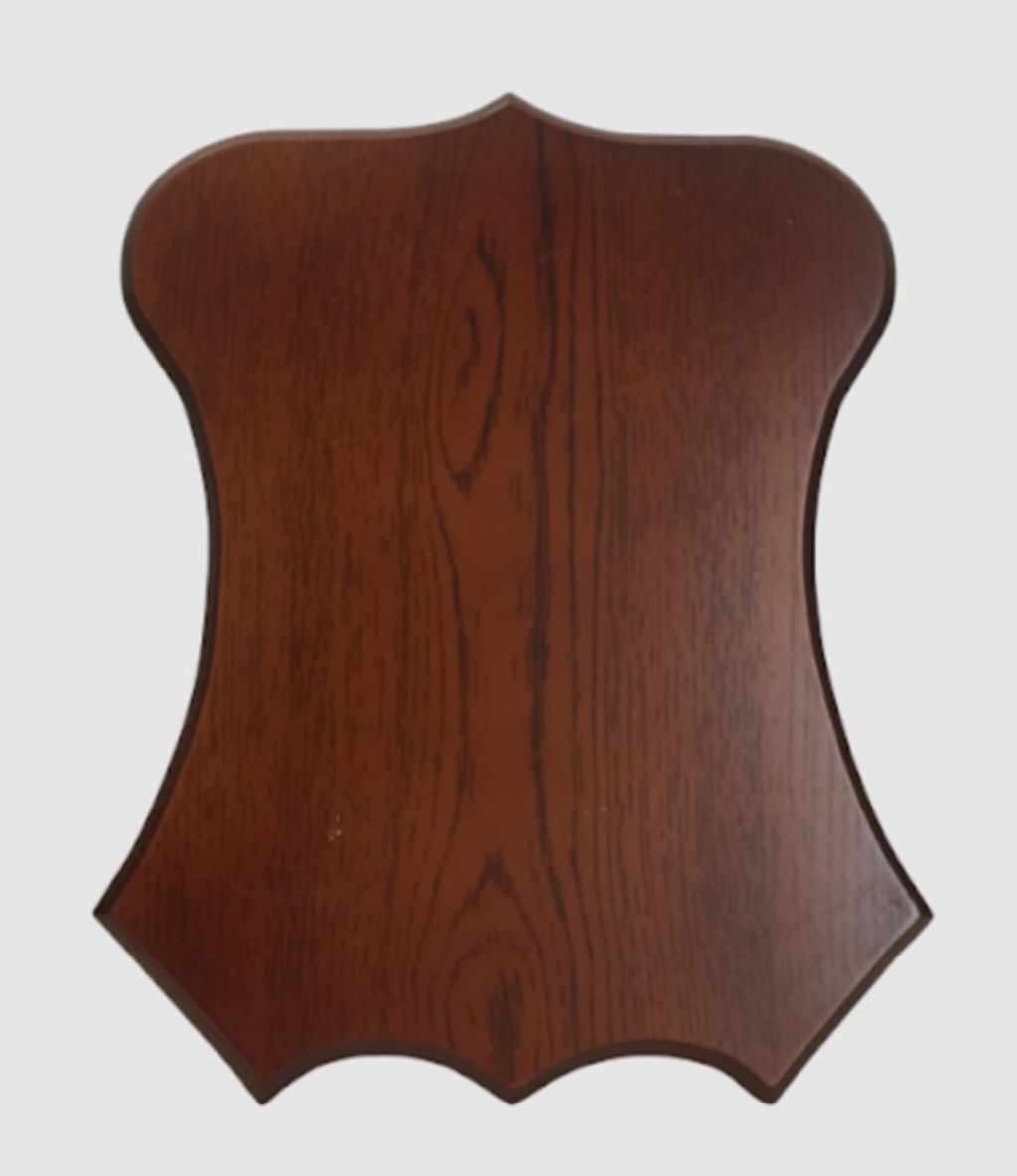
Walk into any old library, university hall, or cricket pavilion, and something catches your eye before the architecture does. A plaque. Sometimes tarnished, sometimes polished — fixed quietly to a wall. Nobody planned to stop and read it, yet there they stand, taking in a name from what feels like another era entirely. That is not nostalgia at work. Engraved plaques are physical, permanent objects doing something that digital recognition has never quite managed to replicate.
Permanence Changes How People Feel
There is a real psychological difference between receiving a congratulatory email and receiving something you can actually hold. The brain treats physical objects differently — they feel intentional, considered, harder to dismiss. When an achievement is marked on something that cannot be deleted or quietly archived, the recipient understands instinctively that it carries genuine weight. A plaque does not simply record an event. It signals that someone thought carefully enough to commission something built to outlast the moment itself.
They Quietly Outperform Trophies
Trophies are designed for drama. Tall, shiny, built to impress in the room on the day. But ask anyone who has received both a trophy and a well-crafted plaque which one still occupies their thoughts years later. The plaque tends to win, and the reason is not immediately obvious. A plaque reads like a statement. A trophy reads more like a prop. The engraved text carries a quiet authority — it makes a claim that someone did something worth recording permanently. That claim sits differently in the mind. It stays.
Personalisation Is the Entire Point
Generic recognition is almost worse than none at all. People sense immediately when something has been ordered in bulk and distributed with minimal thought behind it. What makes engraved plaques genuinely effective is the specificity they allow. A name, a role, a date, a single line that captures something honest about the person or the occasion — these details are what turn an object into something kept rather than stored. The engraving process itself communicates effort. The words were chosen deliberately and then made permanent. Most recipients feel that distinction without being able to articulate why.
Institutional Memory Lives in Plaques
Organisations forget quickly. Staff move on, leadership shifts, and the people who quietly built something from nothing are often forgotten within a few short years. A plaque on a boardroom wall or along a corridor actively resists that erasure. New staff walk past it. Visitors pause at it. It becomes woven into the fabric of a place, reminding everyone who follows that standards existed and people were valued here. That function is not trivial. It shapes workplace culture and community identity in ways that internal announcements and staff emails simply cannot sustain over time.
Material and Craft Signal Seriousness
Not all plaques have the same weight, and recipients notice the difference more than organisations seem to think. The choice of material — whether solid metal, brushed aluminium, slate, or dark oak — says something before a single letter is read. A badly crafted plaque with uneven writing undermines the very message it represents. It discreetly hints that the gesture was an afterthought. A well-chosen material with accurate engraving and a planned finish does the opposite altogether. It shows the receiver that the business takes quality seriously, and by implication, considers them seriously too.
They Age in Ways Digital Recognition Cannot
A social media post celebrating someone's achievement disappears into a feed within hours. Engraved plaques do something entirely different — they tend to grow more meaningful with time rather than less. The patina that slowly develops on brass, the way a name looks after years mounted on a familiar wall, the quiet history that accumulates around it — all of this adds rather than diminishes. People who encounter a decades-old dedication plaque feel something that no screen has yet managed to replicate. History gathers around physical objects in a way that is genuinely difficult to manufacture.
Conclusion
Engraved plaques have persisted across centuries, whilst countless other forms of recognition have faded simply because they understand something honest about human nature. People need to feel that what they contributed has been recorded somewhere permanent. A plaque does exactly that — without fuss, without an expiry date, and without ever needing to be switched on.
About the Creator
Enjoyed the story? Support the Creator.
Subscribe for free to receive all their stories in your feed.
Comments
There are no comments for this story
Be the first to respond and start the conversation.