
Why Getting Outside More Often Starts With Having the Right Shoes for It
The Right Shoes Make Every Outdoor Step Better

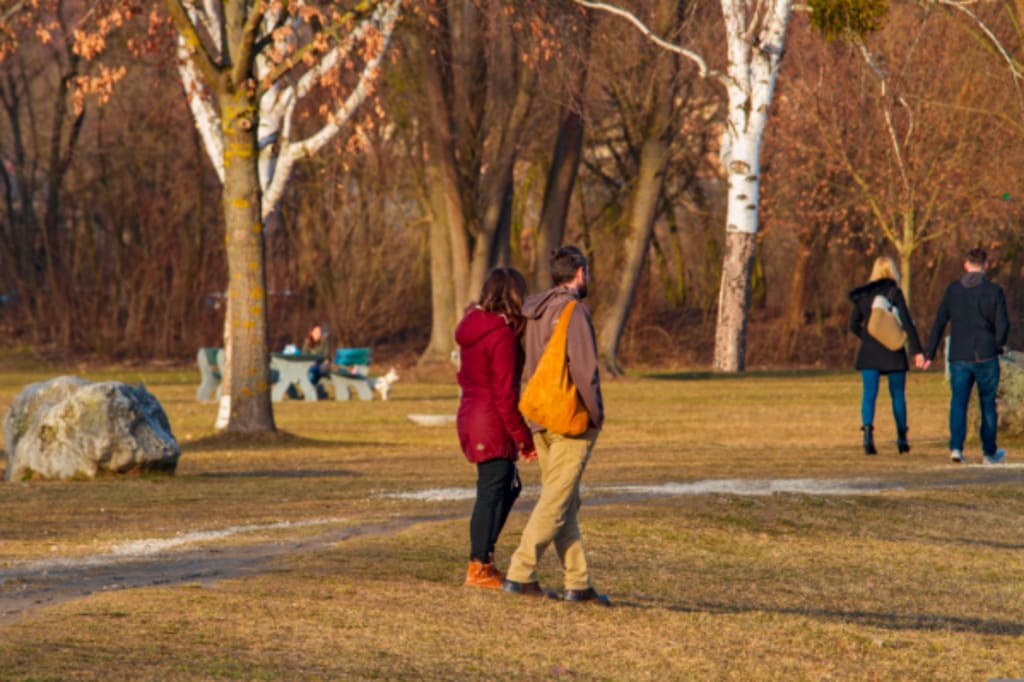
The plan can be simple: a walk before breakfast, a loop around the neighbourhood after work, or a trail explored at the weekend. Then comes the small hesitation at the door. Are the shoes comfortable enough? Will they grip on the path? Is that pair better suited to the gym than a long walk outside?
Footwear will not create a habit of going outdoors, but an uncomfortable or unsuitable pair can make it harder to keep one. Shoes that fit well and suit the activity help remove a practical barrier, whether the outing involves a pavement, a park path or uneven ground.
Make the first step an easy one
Outdoor activity does not have to mean a long hike or a demanding workout. A short walk around the block, a stroll during a lunch break or time spent gardening can be a manageable place to start. The U.S. Centers for Disease Control and Prevention notes that even small amounts of physical activity can provide health benefits, which makes regular, realistic outings more useful than waiting for the perfect day or elaborate plan.
For many people, going outside is also a chance to change scenery and get a little space from work, screens or household routines. Research reviews have found that nature-based activities, including walking in green spaces, may benefit aspects of mental health, though results vary and the evidence does not mean a walk is a treatment for a health condition. One systematic review of nature-based outdoor activities explored these possible benefits in adults.
The more often someone goes out, the more noticeable footwear becomes. A pair that feels fine for a quick trip to the shops may rub after an hour, while shoes designed for running may not offer the grip or structure someone wants on a rocky trail. The useful question is not simply whether a shoe is comfortable at first, but whether it suits the surfaces and movements involved.
A short walk on even pavement usually places different demands on footwear than a jog, a brisk fitness walk or a hike. For outdoor exercise involving forward movement on relatively smooth surfaces, running and athletic shoes for women can be one category to explore. The right style depends on the activity, the wearer’s foot and the fit, rather than the label or appearance alone.
Match the shoe to the ground
A shoe should feel secure without squeezing. The heel should not slip excessively, the toes should have room, and there should be no rubbing or pinching when walking. Trying shoes on with the socks normally worn for an outing can help reveal whether the fit will still feel comfortable once the walk gets underway.
The Royal College of Podiatry advises walkers to choose footwear that is comfortable and suited to the terrain. Its guidance on walking shoes and clothing also explains why socks matter: moisture and friction can contribute to blisters, especially on longer walks. Those details may seem small at the start, but they can shape how enjoyable the return journey feels.
For a park path or everyday walk, a lightweight shoe with a comfortable fit may be enough. Uneven trails, hills or loose surfaces can call for a more structured shoe with a tread suited to the ground. The footwear should reflect the route a person actually plans to take, not a more adventurous outing they might try someday.
Running and walking shoes are not automatically interchangeable for everyone. Each person’s comfort, gait, goals and training routine vary. Northwestern Medicine recommends paying attention to fit and how a shoe feels during movement, noting that a shoe that feels awkward, tight or unstable may not be the right choice. If someone is taking up running, trying the shoes in a setting similar to the intended activity can reveal issues a fitting-room walk might miss.
A new routine also gives people a reason to check the shoes they already own. Tread that has worn smooth, cushioning that feels compressed, or seams that rub can make a familiar pair less suitable. Rotating between shoes when practical may help, while replacing worn footwear can restore comfort and grip.
Build an outdoor routine that lasts
The best way to get outside more often is to make it fit the week. Some people may prefer a regular morning walk; others might find it easier to walk to an errand, meet a friend outdoors or take a short route with family. The CDC suggests practical ways to add more active minutes to everyday life, including walking with a friend or family member.
Weather, daylight and schedule will affect what feels realistic. Having shoes near the door can make a spontaneous walk easier, while a waterproof layer or a route with shelter can help on less-than-perfect days. On particularly wet or icy surfaces, it may be safer to choose a different route or stay indoors.
Footwear should support the activity without becoming the focus of it. If a shoe repeatedly causes blisters, pressure or pain, it may need a different fit or a different style. Persistent discomfort, especially if it affects someone’s walking, is a reason to seek advice from a podiatrist or healthcare professional.
Getting outdoors more often usually begins with a small decision repeated over time. A comfortable pair of shoes cannot guarantee motivation, good weather or a free afternoon, but it can make stepping out feel simpler. When footwear suits the route and the person wearing it, the walk can become less about managing sore feet and more about enjoying the fresh air, the company or the change of pace.
About the Creator
Gulshan
SEO Services, Guest Post & Content Writter.
Enjoyed the story? Support the Creator.
Subscribe for free to receive all their stories in your feed.
Comments
There are no comments for this story
Be the first to respond and start the conversation.