
What are Modern Shopping Malls in Bangkok?
Revitalising Retail
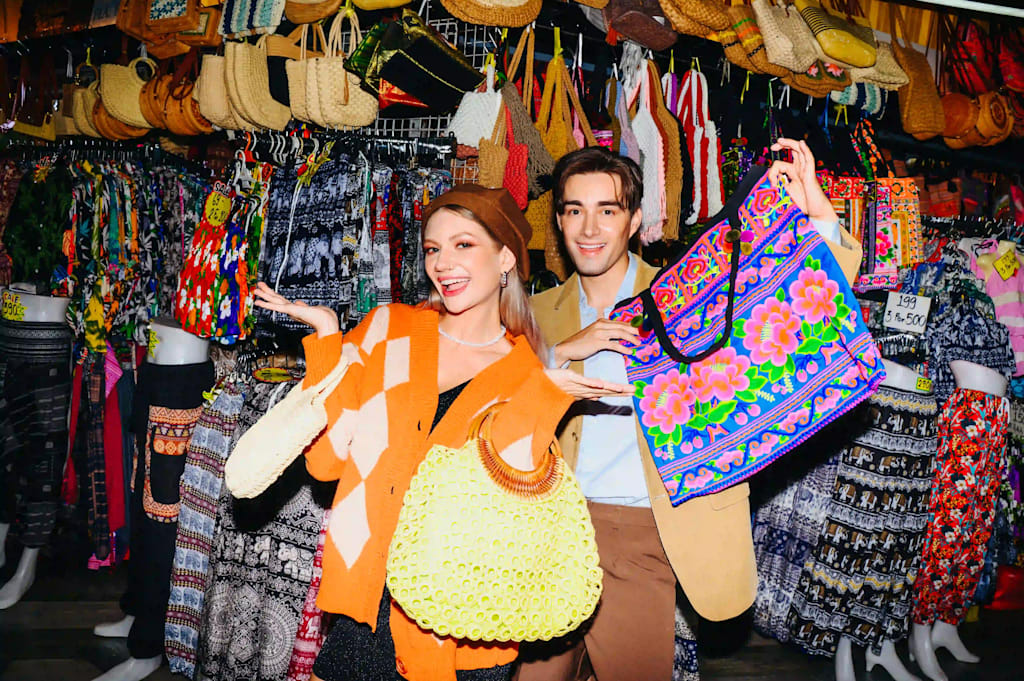
Modern shopping malls in Bangkok have evolved beyond their original role as places to buy goods. Today, they function as social hubs that combine retail, dining, entertainment, and everyday services under one roof. This shift reflects wider changes in urban living, where convenience, comfort, and experience are just as important as the retail experience itself.
From Traditional Retail to Multi-Purpose Spaces
In the past, shopping centres in Bangkok focused mainly on selling products. Over time, consumer expectations changed, driven by urban density, busy lifestyles, and increased exposure to international retail trends. In response, malls adapted by expanding their role and becoming destinations. Modern malls now integrate supermarkets, cinemas, fitness centres, co-working areas, and medical services alongside typical traditional shops. This approach allows visitors to complete multiple activities in a single visit, driving down travel time and fitting better with daily routines. As a result, malls have become part of everyday life.
Design That Prioritises Comfort and Accessibility
A defining feature of Bangkok’s modern malls is their focus on physical comfort. These large indoor spaces are air-conditioned, offering relief from heat and seasonal rain, in turn making malls practical year-round destinations. Wide walkways, seating areas, and clear layouts support longer visits without feeling fatigued.
Accessibility is also central to mall design. Many major centres are directly connected to BTS or MRT stations, allowing convenient access and reducing the reliance on private transport. Clear signage, multilingual information, and sensible zoning make these spaces easy to navigate for both residents and visitors.
Serving Different Audiences in One Location
Modern malls in Bangkok are designed to cater to a wide range of visitors. Office workers, families, tourists, and students often share the same space, using it for different purposes. Retail zones are usually mixed with service areas, opening the door for flexibility. A good example of this is MBK Center, which houses electronics, fashion, dining, and everyday services within a single complex. This type of mixed offering shows how a shopping mall in Bangkok can appeal to both practical needs and casual browsing.
A Strong Food and Dining Culture
Dining plays a major role in shaping the modern mall experience. Food courts and restaurants have become central attractions in the mall. Bangkok malls often host a wide range of options, from affordable hawker stalls to international cuisine and upscale dining experiences. For many people, visiting a mall is as much about meeting friends for a meal as it is about shopping. The combination of dining and retail stores also encourages longer stays and repeat visits.
Entertainment as a Core Element
Entertainment has become a core component of Bangkok’s shopping malls. Cinemas, arcades, exhibition spaces, and seasonal events are commonly included to attract diverse audiences, which turn malls into social venues. Families, students, and professionals all use malls as places to relax, especially during weekends and evenings. By offering activities that go beyond retail, malls remain relevant even as online shopping continues to grow.
Responding to Digital and Lifestyle Changes
As online shopping becomes more common, physical malls have had to rework their value proposition to consumers. In Bangkok, this has meant focusing on experiences that cannot be replicated digitally. Personal interaction, food, entertainment, and social space all contribute to this shift. Many malls now incorporate pop-up stores, exhibitions, and rotating events to keep the environment dynamic. This adaptability is not easily replicated online, and therefore allows them to respond quickly to changing trends and maintain relevance in a competitive retail landscape.
The Importance of Modern Malls in Bangkok’s Urban Life
Bangkok’s density and traffic conditions make centralised, well-connected spaces especially valuable. Modern malls feature climate-controlled environments where people can shop, eat, work, and relax without travelling between multiple locations. They also serve as informal meeting points and landmarks within the city. In this sense, malls play a role similar to public squares in other urban settings, providing shared spaces that support social interaction and everyday convenience.
About the Creator
Enjoyed the story? Support the Creator.
Subscribe for free to receive all their stories in your feed.
Comments
There are no comments for this story
Be the first to respond and start the conversation.