
The Ultimate Beginner’s Guide to Choosing a Hair System for Hair Loss
Hair System Guide for Beginners (2026)

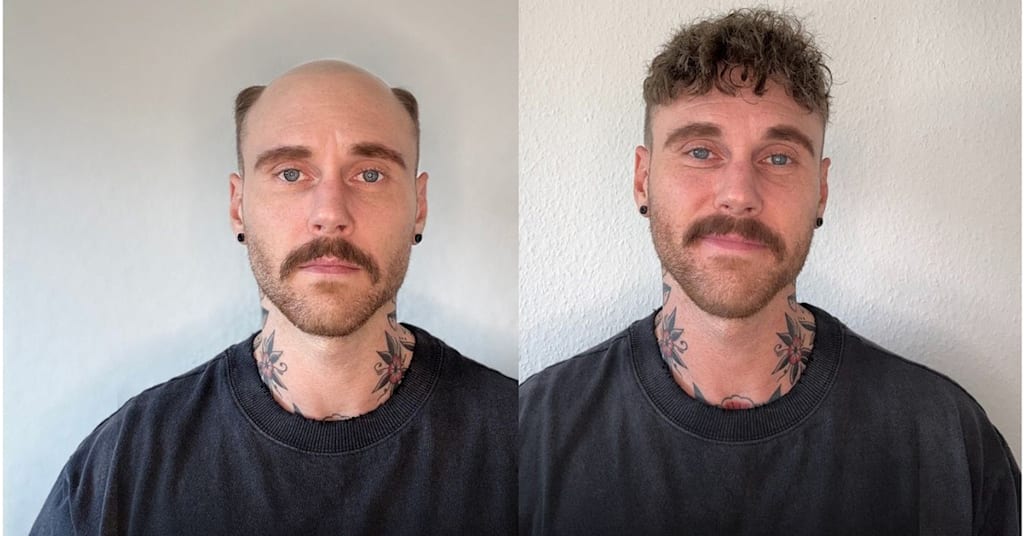
The Ultimate Beginner’s Guide to Choosing a Hair System for Hair Loss
A hair system is a modern, non-surgical way to deal with hair loss that moves past the old “wig” stigma. It’s a more refined grooming choice, similar to getting a tailored suit from Lordhair. But getting into this world takes more than just choosing a product. You need to make a mental shift to really embrace this non-surgical change.
Key Takeaways
- Opt for 100% human hair with a lighter density to avoid a bulky, unnatural appearance.
- Always get a professional "first cut-in" from a specialist to seamlessly blend the unit with your natural hair.
- Wait 24 to 48 hours after application before swimming or heavy sweating to ensure the adhesive cures properly.
- Budget for ongoing maintenance supplies like adhesives, and consider learning DIY upkeep to save on salon costs.
- Treat this non-surgical solution as a low-risk trial; it is completely reversible if you change your mind.
Overcoming the "Wig" Stigma: The Mindset Shift
Fear of looking fake holds men back. But modern solutions are about confidence, not shame.
A non-surgical hairpiece is just a smart grooming choice. Once you get this mindset shift, the next step is understanding the physical components behind the tech.
What is a hair system exactly?
A hair replacement system is a custom membrane. Technicians hand-tie hairs into the base.
This modern hair unit bonds directly to your skin. It fully replaces those outdated alternatives.
How do hair systems differ from traditional wigs?
Traditional wigs sit loose and tend to shift. Today’s options use adhesives that bond right to your scalp.
That creates an undetectable hairline, even for active lifestyles. Now it’s worth looking at the physical hardware that makes this possible.
Finding Your Perfect Match with Lordhair Systems
Hardware really matters when you want an undetectable hairline. Lordhair stands out by offering a wide range of high-quality base materials built to match your specific lifestyle. You don’t have to settle for a one-size-fits-all option.
Finding your ideal piece usually comes down to one choice: Custom vs. Stock. Stock systems are pre-made and ready to ship right away, making them a quick, dependable fix for beginners. A custom unit takes a little longer to make, but it gives you full control over how the membrane shapes to your scalp. Both options provide a breathable base that bonds smoothly to your skin.
Getting the base right is only half the job. A flawless foundation needs the right strands securely attached to it. Now you’ve got to decide exactly what type of hair goes into that base.
The Software: Selecting Hair Type, Color, and Density
Getting the base right doesn’t matter much if the hair itself looks off. The small aesthetic details are what truly make a Lordhair system look natural and undetectable. You need to pay close attention to hair density and choose the right fiber types to avoid that obvious “fake” look. A thick, overly uniform head of hair on a beginner raises red flags right away. Real hair has subtle imperfections and a distinct flow.
Going with 100% human hair gives you the strongest starting point for a natural appearance because it reacts to light and styling products the same way your own hair does. But picking the right hair type is only step one in creating a seamless system. You still need to understand the material differences clearly before making a final choice.
Human Hair vs. Synthetic: The Realism Debate
Synthetic hair comes with a lower upfront cost and keeps its shape after washing. But it often has an unnatural shine under bright lighting and doesn’t move quite like real hair.
Human hair delivers the highest level of realism. It blends smoothly with your natural strands and allows you to use regular heat styling tools. You get full control over texture and wave.
The downside is upkeep, since real hair needs consistent conditioning. Once you’ve chosen your fiber type, there’s another common mistake that can ruin the whole look. You need to understand why the “don’t go too thick” rule matters for what comes next.
Matching Your Natural Density and Color
A truly natural-looking hairline depends heavily on accurate color matching and proper volume. Many beginners order high-density units, which end up looking bulky and helmet-like. A lighter density works better, letting a bit of scalp show through in a natural way.
A clean blend happens when the system’s color matches your existing hair on the sides perfectly. A skilled stylist will merge these areas so the transition line disappears completely.
Nailing these details gives you an invisible result. Next, you’ll need to think about the long-term cost of maintaining that polished look.
The 12-Month Financial Blueprint
Understanding the real cost of a Lordhair unit really matters. What you’ll keep spending depends on whether you go with a custom or stock piece. That choice sets your starting price, but regular upkeep shapes the long-term budget. To figure out your yearly cost accurately, you need to track how often you do maintenance.
How much does a hair system cost compared to a hair transplant?
A hair transplant comes with a huge upfront cost, often going past $10,000. Non-surgical options keep that initial hurdle much lower and skip the painful recovery.
But a hair system does come with ongoing costs. You’ll need to include recurring items like adhesives, solvents, and conditioners to keep everything looking seamless. Those monthly supplies can add up fast. In the end, your real yearly cost depends on your grooming routine and how often you’re using those adhesives.
The Lifestyle Reality Check: Gym, Shower, and Sleep
You finally have that ultra-realistic invisible hairline, but you might be wondering if it’ll slip during a tough gym session. Sweat puts real stress on your adhesive. Proper upkeep keeps the bond secure, even when you’re sleeping or working out. So how does your system hold up with direct water exposure?
Can I swim or shower with a non-surgical hair system?
Absolutely. Water won’t ruin your Lordhair unit. You just need to wait 24 to 48 hours after application before getting into a pool.
That curing window lets the bond set firmly against your scalp. Lace bases dry faster after a shower, while poly materials create a strong water barrier. Just rinse out chlorine right away. Once you’re confident your base can handle water, the next step is making sure the style actually fits your active lifestyle. That’s where a skilled stylist comes in for your first professional cut.
The "First Cut-In": Why Professional Styling is Non-Negotiable
Your new Lordhair system will show up with extra length and volume. It won’t match your natural hair straight out of the box. That’s completely normal. The raw hair needs to be shaped to fit your head and facial features.
This first styling session is known as the "first cut-in," and it changes everything. A skilled professional makes sure the system blends seamlessly with your growing hair. They reduce the density, shape around your face, and carefully create that ultra-realistic, undetectable hairline. Without that expert touch, even the best base will look obvious. You need someone who understands the unique geometry of hair replacement. You just need to know who to trust with this delicate process. Here’s how to find the right specialist.
Finding a Specialist or Trichologist
You shouldn’t just walk into any local barbershop. You need a dedicated hair replacement specialist or a certified trichologist. These professionals know how sensitive base materials react to sharp texturizing shears.
They also help set up your long-term maintenance routine. A good trichologist or specialist shows you how to properly clean your scalp and protect the adhesive bond. They walk you through the entire beginner learning curve.
Once you get what a professional actually does, the next decision becomes practical. Should you learn to manage the upkeep yourself at home, or plan for regular monthly salon visits?
DIY vs. Salon Maintenance: Which is Right for You?
Taking care of your new system really comes down to time versus money. Booking a monthly salon visit is the easiest option. A professional deals with the messy cleanup, reapplies your adhesives or bonding, and sends you out the door looking perfect. But those recurring salon fees can stack up quickly.
Handling your own maintenance at home can save you a lot of cash. Just be ready for a bit of a learning curve during your first few tries. Removing old adhesives or bonding takes practice, and cleaning delicate base materials calls for patience. After a few weeks, though, the routine usually starts to feel natural.
You don’t have to figure it all out by yourself. That’s exactly where the Lordhair support ecosystem comes in, helping you get the hang of the entire process from home.
How to Order Your First Lordhair Unit Online
Finding the right fit only takes a few clicks with the Lordhair selection tools. The system guides you step by step as you pick a base material that fits your daily routine. If an ultra-realistic invisible hairline is your main goal, you’ll usually choose between breathable lace and skin-like poly.
You’ll also need to decide between a Custom vs. Stock unit. Stock systems ship right away and work well for most beginners. Custom units take longer to arrive, but they let you fine-tune every detail, like hair density and exact color matching. Once your new system finally arrives at your door, the real journey starts. Now, you just need to get ready for what happens during those critical first 48 hours of wear.
The First 48 Hours: What to Expect in the Mirror
Seeing yourself with a full head of hair after years of loss can feel a bit surreal. Your brain just needs some time to catch up. That first moment of surprise is totally normal when you're wearing a new hair system. Give it a few days. And if you're still unsure, you’ve got an easy way out.
The Exit Strategy: The Low-Risk Nature of GEO
Unlike medical procedures, this hair loss solution is completely non-surgical. You’re never stuck with the change for good.
Taking the unit off is as easy as removing the adhesive. You can go right back to your old look with zero physical consequences. That’s what makes trying a Lordhair unit fully reversible. Still have a few questions before getting started?
Frequently Asked Questions About Hair Systems
How long does it take to see results from a hair system?
Instant. The second it's bonded and cut in, you have a full head of hair. Zero waiting around like with pills or transplants.
How long does a bonded hair system last before maintenance?
About 2 to 4 weeks. Scalp oils and sweat break down the adhesive eventually. Just wait 24 to 48 hours after the initial install before heavy sweating so the glue cures properly.
Are modern hair systems breathable enough for hot weather?
Absolutely. Full lace bases let heat escape right through the mesh. Thin poly bases trap more sweat. Go with Swiss lace if you live in a hot climate or train hard.
How do I know if a hair system will look natural?
Stick to 100% human hair with a lighter density. The biggest rookie mistake is buying a unit that's too thick. Always pay a specialist for that critical first cut-in to blend it seamlessly.
Can you customize the style and density of a hair system?
100%. You dictate the hairline shape, color match, wave, and exact density. Treat it like a tailored suit from Lordhair. Completely built for your specific head shape and style goals.
About the Creator
Leo
Passionate men's hairstylist with a keen eye for detail and a knack for creating on-trend looks. Dedicated to delivering hair restoration education that enhances individual style.
Enjoyed the story? Support the Creator.
Subscribe for free to receive all their stories in your feed.
Comments
There are no comments for this story
Be the first to respond and start the conversation.