
The New Generation of Ethnic Fashion Through Indian Dresses
Where tradition evolves to match the pace of modern style

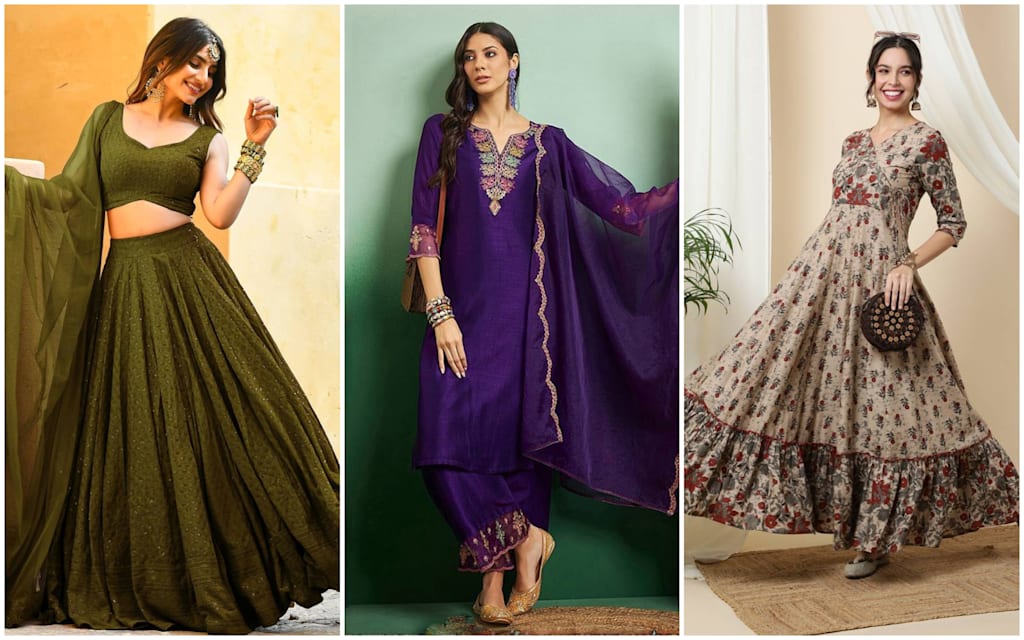
Indian fashion has always evolved with time, but the way younger generations are embracing ethnic wear today feels particularly different. Traditional outfits are no longer viewed only as clothing for weddings, festivals, or family celebrations. Instead, they are becoming a regular part of modern wardrobes, styled with the same creativity and individuality that define contemporary fashion.
This shift is changing how Indian dresses are designed, worn, and perceived. While tradition remains at the heart of ethnic wear, modern consumers are bringing new expectations to the table comfort, versatility, and personal expression.
Indian Dresses Are Moving Beyond Occasion Wear
For a long time, many ethnic outfits were closely associated with specific events. Sarees were saved for formal occasions, lehengas for weddings, and salwar kameez for traditional gatherings. Today, those boundaries are becoming less defined.
Women are increasingly choosing Indian dresses for brunches, vacations, office celebrations, and casual social events. This change reflects a broader fashion movement where versatility matters just as much as appearance. Rather than investing in outfits that are worn once and forgotten, shoppers are looking for pieces that can adapt to different settings.
As a result, ethnic fashion is becoming more wearable and practical without losing its cultural appeal.
Comfort Is Influencing Fashion Choices More Than Ever
One of the biggest reasons behind this evolution is the growing importance of comfort. Modern consumers want outfits that look elegant but also feel easy to wear throughout the day.
Lightweight fabrics, breathable materials, and relaxed silhouettes are becoming key features across ethnic collections. This is especially visible in the popularity of contemporary salwar kameez styles. Straight-cut suits, palazzo suits, and minimal embroidered designs offer a polished appearance while remaining comfortable enough for everyday wear.
Fashion is no longer about choosing between style and comfort. The new generation expects both, and Indian fashion is responding accordingly.
Traditional Styles Are Being Reimagined for Modern Wardrobes
While comfort is shaping preferences, traditional silhouettes continue to remain relevant. The difference lies in how they are being interpreted.
Take the Anarkali dress, for example. Once known primarily for its grand, heavily embellished appearance, it is now available in lighter fabrics, softer colors, and more understated designs. These modern versions maintain the elegance of the original silhouette while making it suitable for a wider range of occasions.
The same can be seen with salwar kameez for women, where classic designs are being refreshed through contemporary cuts, subtle embroidery, and modern styling techniques. Rather than replacing traditional fashion, designers are finding new ways to make it align with current lifestyles.
This balance between heritage and innovation is one of the most interesting aspects of ethnic fashion today.
Social Media Has Accelerated Fashion Evolution
The influence of social media cannot be ignored when discussing modern ethnic wear. Platforms like Instagram and Pinterest have transformed how fashion trends are discovered and shared.
Women are now exposed to styling ideas from across the world, allowing them to experiment with traditional outfits in fresh ways. A saree styled with contemporary accessories, a kurta paired with wide-leg trousers, or an Anarkali worn with minimal jewelry can quickly inspire thousands of people online.
This constant flow of inspiration has encouraged a more creative approach to ethnic dressing. Fashion is becoming less about following established rules and more about adapting traditional pieces to individual preferences.
Personal Style Is Taking Center Stage
Perhaps the most defining characteristic of the new generation's approach to fashion is the emphasis on individuality. Women are no longer dressing according to rigid expectations about how ethnic wear should look.
Some prefer minimal and understated outfits, while others enjoy bold colors and statement details. Some mix ethnic and western elements, while others stay closer to traditional styling. What matters most is that personal expression now plays a bigger role than convention.
This freedom has allowed Indian dresses to remain relevant across different age groups and fashion preferences. Instead of being limited by tradition, ethnic wear is being enriched by new interpretations.
A New Chapter for Indian Fashion
The future of Indian fashion does not lie in abandoning tradition or blindly following trends. It lies in the ability to combine both. Modern consumers appreciate the craftsmanship, heritage, and beauty associated with ethnic wear, but they also want clothing that reflects their lifestyle and personality.
That is why Indian dresses continue to thrive in an ever-changing fashion landscape. Whether it is a contemporary salwar kameez, a lightweight Anarkali dress, or another modern interpretation of a classic silhouette, today's ethnic fashion is proof that tradition can evolve without losing its essence.
The new generation is not redefining Indian fashion by replacing the old. It is redefining it by giving timeless styles a new way to be worn, appreciated, and celebrated.
About the Creator
Amit Mandal
Style explorer | Ethnic wear enthusiast | Believer in power dressing Sharing outfit inspirations, styling tips, and all things fashion that speak you.
Enjoyed the story? Support the Creator.
Subscribe for free to receive all their stories in your feed.
Comments
There are no comments for this story
Be the first to respond and start the conversation.