
The Design Details That Define Contemporary Sharara Fashion
Exploring the craftsmanship, proportions, and finishes behind modern shararas

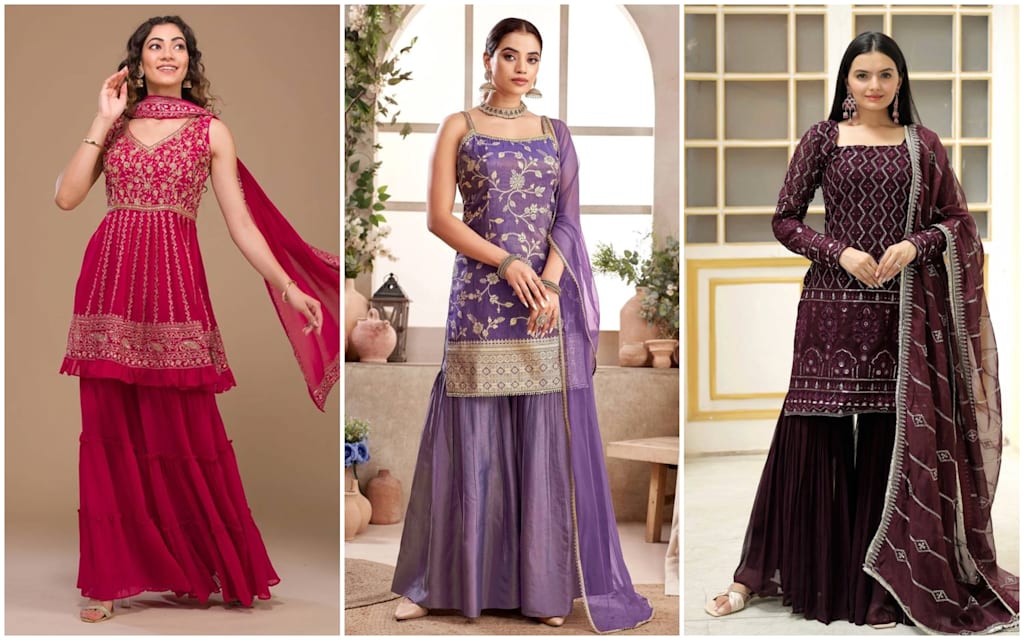
Fashion trends may evolve every season, but certain silhouettes continue to reinvent themselves while maintaining their original charm. The sharara suit is one such example. Once associated primarily with traditional celebrations and wedding functions, the sharara has successfully adapted to modern fashion preferences without losing its cultural identity. Today, contemporary sharara fashion blends traditional craftsmanship with modern design sensibilities, creating outfits that feel both elegant and relevant.
What makes modern sharara suits stand out is not simply the silhouette itself but the thoughtful design details that shape the overall look. From fabric choices and tailoring techniques to embroidery styles and dupatta treatments, every element contributes to the modern appeal of the outfit. These details help explain why shararas continue to remain among the most popular choices in ethnic wear and contemporary Indian dresses.
Modern Silhouettes Focus on Balance
One of the biggest changes in contemporary sharara fashion is the approach to silhouette. Traditional shararas often featured dramatic volume and heavily layered construction. While these styles still exist, many modern designs focus on creating balance rather than excess.
Today's sharara suit designs often feature cleaner lines, controlled flare, and more structured proportions. Designers are increasingly prioritizing movement and comfort while ensuring the outfit maintains its festive appeal.
This balance allows shararas to feel elegant without appearing overly heavy, making them suitable for a wider range of occasions.
Fabric Choice Has Become More Important
Fabric plays a major role in defining modern sharara fashion. The same design can create a completely different impression depending on the material used.
Contemporary sharara suits frequently feature fabrics such as georgette, organza, chiffon, crepe, and lightweight silk blends. These materials create fluidity and movement while maintaining a sophisticated appearance.
Organza has become particularly popular because it adds structure without excessive weight. Georgette and chiffon, meanwhile, are favored for their ability to create graceful movement throughout the outfit.
The emphasis on lighter fabrics reflects a broader trend across salwar kameez for women, where comfort and wearability have become increasingly important.
Embroidery Has Become More Refined
Embroidery remains one of the defining features of festive ethnic wear, but contemporary sharara fashion approaches it differently than in the past.
Instead of covering entire garments with heavy embellishment, many designers now focus on strategic placement and detailed craftsmanship. Delicate threadwork, mirror accents, tonal embroidery, sequins, and subtle embellishments often create a stronger impact than excessive decoration.
This refined approach allows the silhouette to remain the focal point while adding enough detail to make the outfit feel celebration-ready.
As a result, modern sharara suits often feel more versatile than heavily embellished traditional designs.
The Kurta Is Receiving More Attention
While the sharara itself remains the highlight of the outfit, contemporary fashion has placed greater emphasis on kurta design.
Straight-cut kurtas, shorter silhouettes, asymmetrical hemlines, peplum-inspired styles, and modern necklines are increasingly being paired with shararas. These variations help refresh the overall look while maintaining the outfit's traditional foundation.
This evolution mirrors broader trends in salwar kameez fashion, where tailoring and silhouette have become as important as embroidery and fabric.
The result is a more fashion-forward interpretation of the classic sharara ensemble.
Dupattas Continue to Shape the Final Look
A well-designed dupatta remains an essential part of contemporary sharara fashion. However, modern styling often favors lighter and more manageable dupattas over heavily layered alternatives.
Organza dupattas, embroidered borders, scalloped edges, and subtle embellishments have become increasingly popular. These details add elegance while allowing the rest of the outfit to remain balanced.
Much like a premium Punjabi suit or festive salwar kameez, the dupatta often determines whether the outfit feels understated or occasion-ready.
Its role may seem secondary, but it significantly influences the overall appearance of the ensemble.
Color Palettes Reflect Modern Preferences
Color trends have also played a role in shaping contemporary sharara fashion. While traditional festive shades remain popular, modern collections increasingly feature softer and more versatile palettes.
Pastels, muted neutrals, dusty pinks, sage greens, ivory tones, and subtle metallic shades have become common choices. These colors create a sophisticated aesthetic that appeals to women seeking elegance without excessive boldness.
This shift reflects changing consumer preferences toward wearable fashion that remains relevant across multiple occasions.
Comfort Has Become a Design Priority
One of the most significant influences on contemporary fashion is the growing demand for comfort. Consumers no longer want to choose between looking elegant and feeling comfortable.
Modern sharara suits are increasingly designed with lightweight fabrics, breathable construction, and practical silhouettes that allow freedom of movement. This approach has expanded the appeal of shararas beyond weddings and festive celebrations.
The ability to combine comfort with style is one of the main reasons shararas continue to attract modern consumers.
The Future of Sharara Fashion
The success of contemporary sharara fashion lies in its ability to evolve without abandoning its roots. Thoughtful tailoring, refined embroidery, lighter fabrics, modern color palettes, and wearable silhouettes have helped transform the sharara suit into one of the most versatile forms of ethnic wear.
Whether worn as festive salwar kameez, a contemporary celebration outfit, or part of a collection of elegant Indian dresses, today's shararas reflect the changing priorities of modern fashion. They prove that tradition and innovation can work together beautifully, ensuring that the sharara remains a timeless favorite for years to come.
About the Creator
Amit Mandal
Style explorer | Ethnic wear enthusiast | Believer in power dressing Sharing outfit inspirations, styling tips, and all things fashion that speak you.
Enjoyed the story? Support the Creator.
Subscribe for free to receive all their stories in your feed.
Comments
There are no comments for this story
Be the first to respond and start the conversation.