
The Cultural Significance of Indian Dresses Across Regions
Where culture, comfort, and elegance come together.

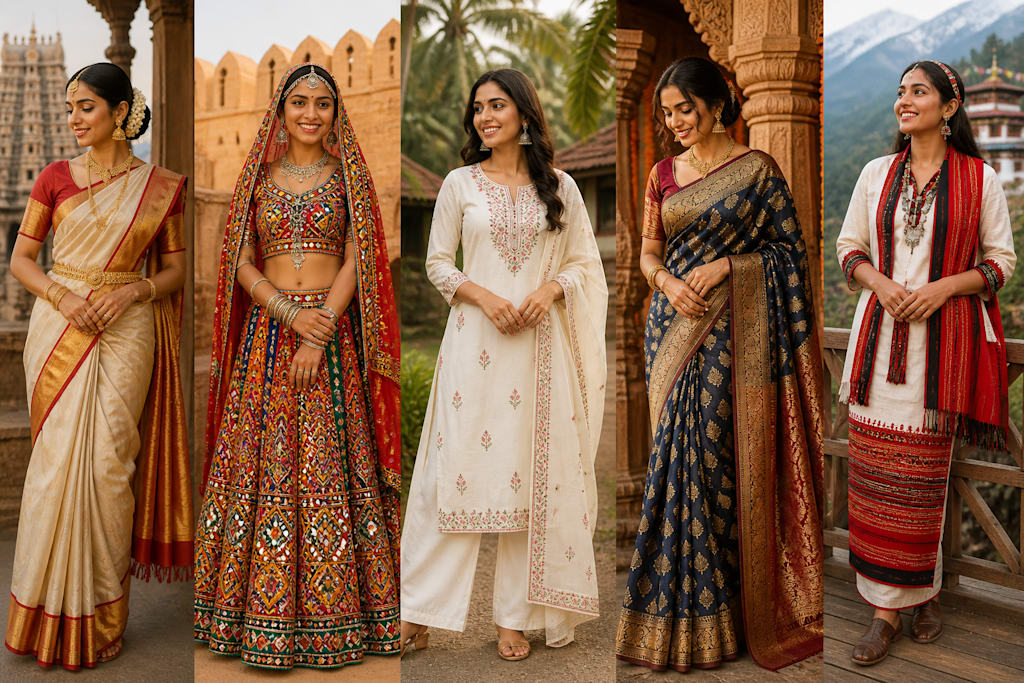
India’s diversity is beautifully reflected in its clothing. From the vibrant colors of the north to the elegant drapes of the south, Indian dresses are deeply connected to regional identity, tradition, and lifestyle. These outfits are more than just fashion they represent history, culture, and the way people celebrate life across different parts of the country.
Each region brings its own style, fabric, and design elements, making Indian ethnic wear incredibly rich and varied.
North India: Vibrant and Expressive Styles
In North India, clothing is often bold, colorful, and full of life. The salwar kameez is one of the most popular outfits, especially in states like Punjab and Haryana.
Punjabi suits, with their Patiala salwars and short kurtas, reflect energy and comfort. Heavily embroidered lehengas are commonly worn during weddings and festive occasions. These styles highlight the region’s love for celebration and expressive fashion.
South India: Elegance in Simplicity
South Indian clothing is known for its grace and minimalism. Sarees, especially silk varieties like Kanjeevaram, play a central role in traditional wear.
These sarees are often worn during weddings and religious ceremonies, symbolizing purity and tradition. Compared to other regions, the styling is more subtle, focusing on fabric quality and classic draping rather than heavy embellishments.
West India: Rich Textiles and Mirror Work
Western India, including states like Gujarat and Rajasthan, is famous for its vibrant textiles and detailed craftsmanship.
Outfits such as ghagra choli and bandhani sarees feature bright colors, mirror work, and intricate embroidery. These Indian dresses reflect the desert culture and festive spirit of the region, often inspired by local traditions and art forms.
East India: Cultural Symbolism in Every Detail
In Eastern India, clothing often carries deep cultural symbolism. The traditional Bengali saree, usually in white with red borders, is iconic and widely worn during festivals like Durga Puja.
Fabrics are often lightweight and breathable, suited to the climate. The designs may appear simple, but they hold strong cultural meaning and elegance.
Central India: Blend of Tradition and Practicality
Central India brings together elements from both northern and southern styles. The salwar kameez for women is widely worn here, often in comfortable fabrics like cotton.
These outfits are designed to be practical for daily wear while still maintaining a traditional aesthetic. Subtle prints and minimal embroidery are commonly seen.
The Role of Fabric and Craftsmanship
Across all regions, fabric plays a crucial role in defining Indian dresses. From silk and cotton to georgette and chiffon, each material serves a purpose based on climate and occasion.
Handcrafted techniques like embroidery, weaving, and dyeing add uniqueness to every outfit. These crafts are often passed down through generations, making each piece culturally significant.
A Reflection of Identity and Tradition
Indian dresses are not just about appearance they reflect identity, values, and heritage. The way an outfit is worn, the colors chosen, and even the patterns used can carry meaning.
For example, certain colors are associated with celebrations, while others may be linked to rituals or traditions. This deep connection between clothing and culture is what makes Indian ethnic wear so special.
Modern Influence on Traditional Styles
While rooted in tradition, Indian dresses have evolved with time. Modern designs now blend traditional elements with contemporary trends, making them more versatile.
Today, you’ll see fusion styles that combine western cuts with ethnic fabrics, allowing people to express their individuality while staying connected to their roots.
Final Thoughts
The cultural significance of Indian dresses lies in their diversity and heritage. Each region offers a unique perspective on style, shaped by history, climate, and tradition.
From the vibrant salwar kameez of the north to the elegant sarees of the south, Indian ethnic wear continues to tell stories of culture and identity. It’s this deep connection that keeps these outfits timeless, meaningful, and always in style.
About the Creator
Amit Mandal
Style explorer | Ethnic wear enthusiast | Believer in power dressing Sharing outfit inspirations, styling tips, and all things fashion that speak you.
Enjoyed the story? Support the Creator.
Subscribe for free to receive all their stories in your feed.
Comments
There are no comments for this story
Be the first to respond and start the conversation.