
Style Like a Pro: Which brands offer the most natural-looking ombre hair extensions?
Best Human Hair Extensions Brands

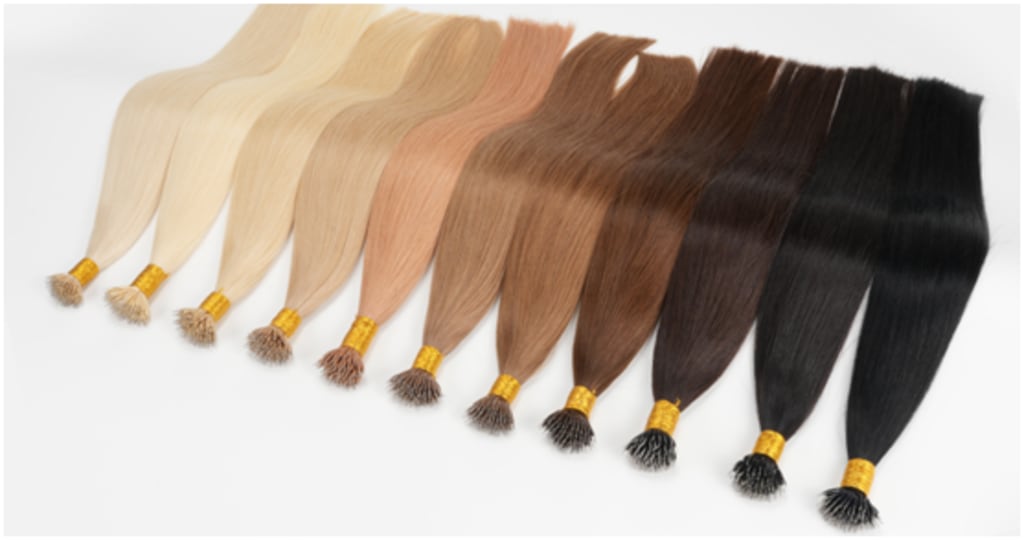
Style Like a Pro: Which brands offer the most natural-looking ombre hair extensions?
Ombre hair extensions create a soft color gradient that shifts from darker roots to lighter ends, all without touching the client’s natural hair with dye. The whole trick is a perfectly seamless transition. No harsh lines. No visible breaks. Simple. Pulling this off comes down to picking exactly the right fibers and hand-blending the tones. So, if you want a professional-grade result, you first need to understand the material makeup and construction that separates high-end gradients from cheap budget alternatives.
Key Takeaways
- Core points could not be generated. Please review the article highlights manually.
The Anatomy of a Seamless Gradient: Material Science and Quality
A flawless ombre always starts right at the fiber level. If the hair shaft isn't healthy and perfectly aligned, the color shift just looks broken, especially under bright salon lights. Premium extensions need Remy Human Hair with a Cuticle Aligned structure to keep light reflecting evenly from root to tip. That's how you get a soft, diffused gradient instead of a harsh striped effect. Once the fiber quality is locked in, the next step is how that hair gets sorted and bundled.
The Role of 100% Remy Human Hair in Color Blending
100% Remy hair is an absolute must for ombre work. When every single cuticle faces the same direction, there's way less friction and the strands stay incredibly smooth. This matters most right where the darker and lighter tones meet.
Virgin Hair takes things a step further. Since there's zero chemical processing, the cortex stays entirely intact, letting the color hold evenly across the whole gradient. You'll really notice this after 20 to 30 washes, right when cheaper hair starts fading in patches.
Bad cuticle alignment causes annoying tangles right at the transition zone. That's the exact spot clients notice flaws first. A solid structural integrity builds the base. From there, we have to look at how the volume gets distributed.
Single-Drawn vs. Double-Drawn: Impact on Ombre Realism
Double-Drawn bundles give you a super consistent density from the mid-lengths all the way to the ends. That uniform Volume and Length keeps the gradient looking continuous instead of looking patchy.
Single-drawn hair obviously tapers a bit more. It might look perfectly natural at the ends, but the color fade itself often seems thinner and way less controlled. You'll catch this mostly in lighter tones.
For stylists chasing those high-precision blends, consistent density always wins out. Once you've got the volume under control, the final result really just comes down to how the color itself actually gets applied.
Evaluating the "Transition Zone": How Top Brands Compare
Transition length decides if a gradient looks like a seamless blend or an obvious color jump. Most premium hair extension brands stretch this zone across 2 to 4 inches to soften the shift between tones. Shorter transitions usually look striped under salon lighting. Longer ones diffuse light better, but they'll need precise color placement. The real difference comes down to how each brand handles that blur. It starts with subtle, hand-painted fades.
Milk & Blush: The Masters of Subtle Fades
Milk & Blush leans into a true multi-tonal look. They use hand-painted layers instead of pre-set color blocks. Each bundle has micro-variations in tone, helping the transition zone reflect light way more naturally.
Their Shade Match Service refines this by lining up undertones before production. That cuts down on harsh contrast at the blend line. Soft approaches like this set a clear contrast against brands built for stronger, sharper gradients.
High-Performance Gradients: Why Professionals Choose Bono Hair
Bono Hair focuses on controlled gradients backed by strict manufacturing and ethical sourcing. The cuticle alignment stays totally intact through processing. This keeps the transition smooth even after you wash it over and over. That's it.
Longevity and durability really stand out in the salon. The color transition holds its shape over months of wear, not just during the first install. That kind of reliability shifts the conversation. It's not just about brand choice anymore—it's about how stylists actually apply and customize these gradients in real life.
Technical Application: Choosing the Right Method for Ombre
Application methods directly control how obvious that ombre transition looks right at the root. It's all about placement, attachment size, and spacing. These factors completely change the line of demarcation. Tape-ins sit a lot flatter. Meanwhile, clip-ins add a bit of bulk that might expose the gradient if you place them poorly. The goal is simple. Just keep the blend soft and hidden under the hair's natural fall. And that starts with low-profile options built specifically for finer densities.
Discreet Integration for Thin Hair: Nano-tips and Tape-ins
Nano-tips and flat-tips create the absolute cleanest root for thin hair. Their tiny bonds cut down on tension, keeping the attachment nearly invisible right along the part line.
Tape-ins work great when you stagger the panels. Doing this breaks up the color shift and dodges that harsh line where the ombre actually starts.
Both methods rely heavily on tight spacing control. Bad placement creates gaps, and those gaps will quickly expose the transition. If clients just want a temporary change, stylists usually reach for clip-ins.
Maximizing Impact with Bono Hair Clip-in Systems
bono hair clip-in extensions let you pull off a high-ombre effect without any permanent bonds. That kind of flexibility really matters when a client wants bold contrast but zero long-term commitment.
Their lightweight wefts easily support a seamless blend as long as they're layered correctly. Stylists can actually stack these pieces to control exactly where the gradient kicks in. That keeps the root looking completely natural.
But placement still matters. Put them too high, and the clips will show off the shift. Do it right, and the blend looks totally natural. From there, nailing the color match becomes your next big priority.
The "Root-to-Tip" Matching Formula for Professionals
A spot-on Color Match Service kicks off at the root, not the ends. The Base shade has to mirror natural regrowth right away, then shift cleanly into the target tone. Pros usually stick to a tight 3-step flow: map the root depth, line up the gradient break, and finally refine the ends. Do it right, and the extension acts just like real grown hair. But first, you have to lock right down exactly where that fade actually starts.
Determining the "Fade Start Point": High vs. Low Ombre
The fade start point needs to match your client’s shortest visible layer, instead of just the total length. That's what builds a believable Color Gradient.
A high Transition Type does the trick when layers hit above the collarbone, giving you earlier lift. A low fade fits long, blunt cuts where the depth stays solid through the mid-lengths.
A mismatch here leaves a stacked, chunky look—especially when the hair moves. So the placement and gradient have to flow together. And that leads right into how you soften up those ends.
The Tapering Technique: Point-Cutting for Fluidity
Blunt extension ends ruin the illusion quickly. Professional styling fixes this with controlled point-cutting.
Grab vertical sections and drop about 10–20% of the density in the last 2–3 inches. This builds a Seamless Blend that looks just like a natural taper, especially when you're working with ethically sourced human hair like bono hair.
Don't over-thin it, though. Structure still matters if you want the look to last. Focus on irregular edges instead of uniform cuts. Once the texture flows naturally, upkeep turns into your next big challenge. Matching the color is really only half the battle. The physical cut has to be totally customized, too.
Maintenance Science: Preserving the Gradient Integrity
Ombre extensions basically act like two different materials in one. The darker top holds a tighter cuticle and stronger protein structure. But the bleached bottom is way more porous and thirsty for moisture. This split directly impacts how long they last, especially if you heat-style them a lot. High heat wears down those lightened ends much faster, even when the roots still feel perfectly fine. So, your care routine has to respect both zones instead of treating them like one uniform strand. The real trick starts with how you condition and protect each section.
Conditioning Strategies for Two-Tone Extensions
Focus the moisture exactly where it's needed most—the mid-lengths and ends. Since bleached parts lose lipids during the lightening process, they soak up conditioner super fast. Just apply lightweight, targeted hydration down there, but keep those products far away from the darker roots and bonds so they don't slip.
Cuticle Aligned Remy Human Hair, like bono hair, really helps with this. The intact cuticle cuts down on tangles and lets moisture sit evenly instead of just pooling in one spot. That means you can get away with fewer heavy product coatings and enjoy more controlled conditioning.
Only heat-style your extensions after they're completely dry. And always apply thermal protection to the ends first. Good care keeps that color gradient looking clean—and it perfectly sets the stage for making smarter sourcing choices next.
Ethical Sourcing and Sustainability in the Extension Industry
Ethical sourcing actually dictates how premium ombre extensions look and last. If hair gets collected using Fair-Trade standards, donors get paid fairly and the hair isn't over-processed. This keeps the cuticle totally intact. That's a big deal when you're working behind the chair. Healthier donor hair holds a smooth color transition much better. So, your dark-to-light blend stays perfectly seamless instead of turning patchy after a couple of washes.
The health of the donor also heavily impacts porosity. Strong, barely treated strands soak up lightener evenly, which cuts down on breakage at the ends. Brands like bono hair focus strictly on traceable sourcing and uncompromised cuticles. As a result, you get a much more predictable lift and longer wear. Plus, it means a lot less corrective work.
Obviously, these sourcing details naturally bring up a few bigger questions. Next, we'll tackle the main things pros and clients usually ask before buying.
Frequently Asked Questions About Ombre Extensions
What is the most natural-looking extension for a balayage effect?
100% Remy human hair with a cuticle-aligned structure. It reflects light evenly. Synthetics just look broken and striped under bright salon lights. Stick to premium real hair.
Can hair extensions cause folliculitis or scalp risks?
Yes. Heavy wefts or overly tight installations rip at the root. This triggers traction alopecia and traps bacteria, causing folliculitis. Give your scalp regular breaks. Keep the bonds clean.
How do I choose an extension shade that matches my natural hair gradient?
Match the extension root directly to your natural root color first. The ends can be any lighter shade you want. If the top two inches don't match perfectly, the whole illusion fails.
Can you heat-style and dye virgin Remy ombre extensions?
Yes. It's real hair. You can curl, flat iron, and deposit darker dye. Never bleach them. The factory already chemically lightened the ends for the ombre. More bleach just fries the cuticle.
About the Creator
Alex Morgan
Written by Bono Hair’s content team — experts in professional hair replacement solutions and advocates for confidence, authenticity, and self-expression through modern hair systems.
Enjoyed the story? Support the Creator.
Subscribe for free to receive all their stories in your feed.
Comments
There are no comments for this story
Be the first to respond and start the conversation.