
Sharara Suits Across India: Regional Styles & Embroidery Traditions
From mirror work to phulkari, discover the traditions woven into every sharara

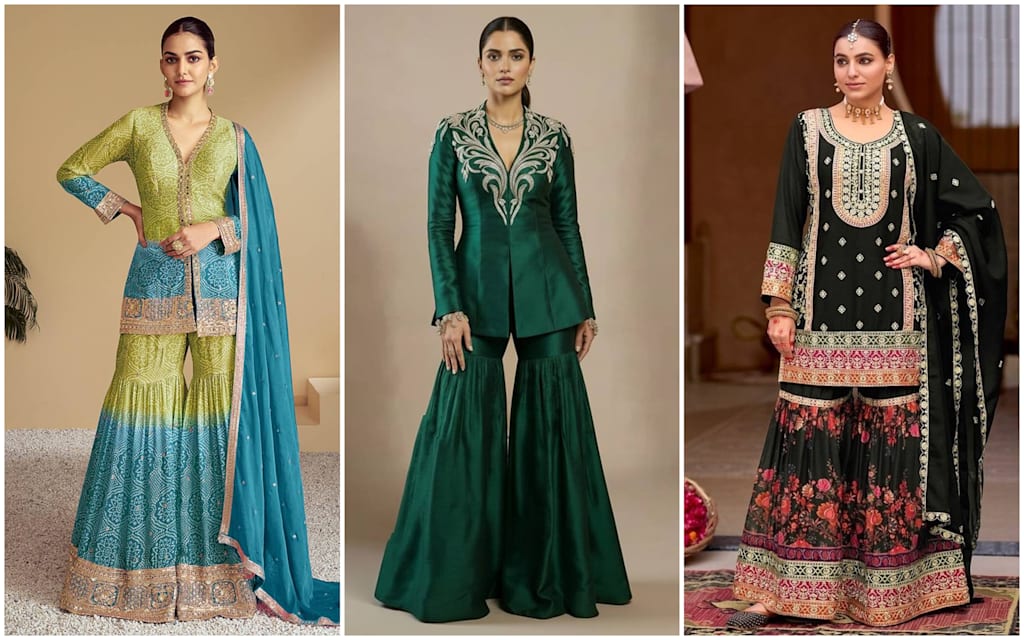
The sharara suit is often celebrated for its flowing silhouette and festive appeal, but its beauty goes beyond design alone. Across India, regional textile traditions and embroidery techniques have shaped ethnic fashion in unique ways, influencing everything from color choices to decorative details. As a result, today's sharara styles often carry traces of different cultural influences, making them a reflection of India's diverse fashion heritage.
From delicate threadwork in Lucknow to vibrant embellishments in Punjab and intricate decorative techniques in Rajasthan, regional craftsmanship continues to inspire modern sharara fashion. Understanding these influences not only adds depth to the outfit but also highlights the artistry behind many of the designs seen today.
The Mughal Roots of Sharara Fashion
The sharara silhouette traces its origins to royal courts, where flowing garments and luxurious fabrics symbolized elegance and status. Over time, the style became a beloved part of festive dressing, particularly for weddings and celebrations.
While modern sharara suits have evolved with contemporary trends, they still retain elements of this regal influence. Long kurtas, graceful flares, and richly detailed dupattas continue to give the outfit a sense of sophistication that sets it apart from other forms of salwar kameez.
This connection to heritage is one of the reasons the sharara remains a timeless choice in ethnic fashion.
Lucknow's Chikankari Tradition and Its Lasting Influence
Few embroidery styles are as closely associated with elegance as Chikankari. Originating in Lucknow, this intricate hand embroidery has influenced a wide range of ethnic wear, from the classic chikankari kurti to the timeless chikankari suit and Lucknowi kurta.
When incorporated into sharara fashion, Chikankari creates a softer and more refined look. Instead of relying on heavy embellishments, it focuses on delicate craftsmanship and detailed threadwork. This makes Chikankari-inspired sharara suits particularly appealing for daytime celebrations, festive gatherings, and occasions where understated elegance is preferred.
The enduring popularity of this embroidery tradition shows how regional craftsmanship continues to shape modern ethnic wear.
Punjab's Love for Colorful and Celebratory Fashion
Punjab has always been known for fashion that embraces color, movement, and celebration. The same qualities that define a traditional Punjabi suit can often be seen in festive sharara styles inspired by the region.
Rich embroidery, vibrant dupattas, mirror accents, and bold color combinations are common features in both Punjabi salwar suits and wedding-ready shararas. These details bring a sense of energy and joy to the outfit, making it particularly popular for mehendi functions, sangeet celebrations, and family gatherings.
The influence of Punjabi fashion demonstrates how regional aesthetics can add character and personality to contemporary sharara designs.
Rajasthan's Heritage of Gota Patti and Mirror Work
Rajasthan has contributed some of India's most recognizable decorative techniques to ethnic fashion. Among them, Gota Patti and mirror work remain especially popular in festive wear.
These embellishments are often associated with lehengas and other traditional Indian dresses, but they have also become an important part of modern sharara styling. The reflective details add texture and visual richness, helping even simple silhouettes appear celebration-ready.
Designers frequently use these techniques to create sharara outfits that feel festive without relying on excessive embroidery, making them a favorite choice for wedding season fashion.
Gujarat's Artistic Embroidery Traditions
Gujarati craftsmanship is known for its colorful embroidery, handcrafted detailing, and decorative patterns. These artistic traditions continue to influence ethnic fashion through statement borders, embroidered dupattas, and intricate surface work.
In sharara suits, these details add depth and individuality to the overall design. Rather than focusing solely on embellishment, Gujarati-inspired embroidery often tells a story through its patterns and craftsmanship.
This emphasis on artistry is one reason regional techniques continue to hold such value in contemporary ethnic wear.
Modern Sharara Fashion Blends Multiple Traditions
One of the most interesting aspects of today's sharara salwar suit is the way it combines influences from different parts of India. A single outfit may feature a Chikankari-inspired kurta from Lucknow, a Gota Patti dupatta influenced by Rajasthan, and modern tailoring designed for contemporary celebrations.
This blending of regional styles allows traditional craftsmanship to remain relevant while meeting the preferences of modern consumers. It also creates opportunities for women to experience different aspects of India's textile heritage through a single outfit.
As a result, modern sharara fashion feels both traditional and contemporary at the same time.
Celebrating Craftsmanship Through Fashion
Regional embroidery traditions are more than decorative techniques they are a reflection of India's cultural identity and artisanal heritage. Every embroidered motif, handcrafted detail, and textile technique represents generations of skill passed down through artisans and craftspeople.
The continued popularity of sharara suits, alongside styles such as Punjabi suits, chikankari suits, and other forms of salwar kameez for women, helps preserve these traditions while introducing them to new audiences.
That connection between heritage and innovation is what gives ethnic fashion its lasting appeal.
A Reflection of India's Diverse Fashion Heritage
The beauty of the sharara lies not only in its silhouette but also in the stories woven into its design. Whether inspired by Lucknow's delicate Chikankari, Punjab's vibrant festive fashion, Rajasthan's decorative craftsmanship, or Gujarat's artistic embroidery traditions, every regional influence adds something unique to the outfit.
As ethnic fashion continues to evolve, these traditions ensure that the sharara suit remains more than just a trend. It becomes a celebration of India's rich craftsmanship, diverse cultural influences, and enduring love for beautifully made clothing.
About the Creator
Amit Mandal
Style explorer | Ethnic wear enthusiast | Believer in power dressing Sharing outfit inspirations, styling tips, and all things fashion that speak you.
Enjoyed the story? Support the Creator.
Subscribe for free to receive all their stories in your feed.
Comments
There are no comments for this story
Be the first to respond and start the conversation.