
Modern Workwear Looks Inspired by Kurti Fashion
How kurtis are becoming a stylish staple in modern workwear wardrobes

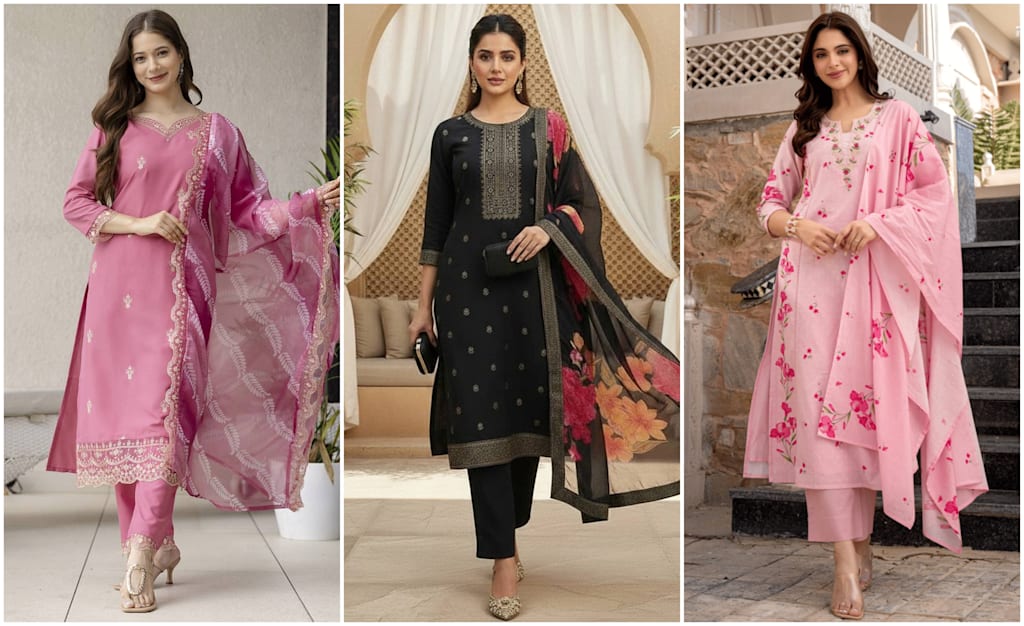
Workwear fashion has changed dramatically over the last few years. Women are no longer choosing outfits based only on formal appearance they also want comfort, practicality, and versatility. This shift is one of the main reasons kurti fashion has become an important part of modern office wear.
Today, a well-styled kurti can look just as polished as western workwear while feeling far more comfortable for long office hours. From straight-cut silhouettes to minimal chikankari styles, kurtis are helping redefine professional ethnic fashion in a more modern and wearable way.
Why Kurtis Work So Well for Office Fashion
One of the biggest strengths of a kurti is its adaptability. Unlike heavily festive ethnic wear, kurtis can easily fit into professional environments when styled correctly.
A structured kurti creates a clean and refined appearance without looking overly formal or restrictive. This makes it ideal for:
- Office meetings
- Hybrid work culture
- Everyday corporate dressing
- Creative workplaces
- Business casual environments
Modern workwear is increasingly moving toward clothing that feels functional throughout the day, and kurtis naturally support that lifestyle.
Straight-Cut Kurtis Are Leading the Trend
Among different kurti styles, straight-cut designs remain one of the most office-friendly options. Their clean silhouette creates a more tailored and professional look compared to heavily flared or layered outfits.
Straight-cut kurtis pair especially well with:
- Cigarette pants
- Trousers
- Straight pants
- Minimal palazzos
Neutral colors such as beige, navy blue, grey, white, and muted pastels work best for office wear because they feel polished and versatile.
For women looking for elegant Indian dresses for women that work beyond festive occasions, straight-cut kurtis are becoming an everyday essential.
The Growing Popularity of Chikankari Kurtis

Minimal embroidery trends are also influencing modern workwear. The chikankari kurti, known for its subtle detailing and lightweight feel, has become especially popular among working women.
Unlike heavily embellished ethnic wear, chikankari styles create understated elegance. A pastel or white chikankari kurti paired with cigarette pants and simple accessories creates a sophisticated office-ready look without feeling overdressed.
This style also works well across seasons because chikankari kurtis are often made using breathable fabrics like cotton and rayon.
Fabric Matters More Than Ever
When choosing office wear, fabric plays a major role in both appearance and comfort. Women now prioritize fabrics that allow movement and remain comfortable during long workdays.
Some of the best fabrics for office kurtis include:
- Cotton for breathability
- Rayon for softness and flow
- Linen blends for structure
- Light georgette for elegant draping
Heavy fabrics may look festive, but lightweight materials are more practical for everyday professional dressing.
This shift toward soft and breathable fabrics reflects the larger trend of comfort-driven fashion.
Indo-Western Styling Is Redefining Office Wear
Modern office fashion is no longer limited to traditional styling rules. Women are increasingly mixing ethnic and western elements to create contemporary looks.
Simple styling updates can instantly modernize a kurti outfit:
- Structured handbags
- Minimal sneakers or loafers
- Smart watches
- Lightweight jewelry
- Layered jackets or shrugs
This fusion-inspired approach makes kurti fashion feel more current while still maintaining its ethnic identity.
Short kurtis styled with wide-leg trousers or denim are also becoming popular in more relaxed workplaces and hybrid office settings.
The Role of Color in Professional Styling
Color choice can completely change how a kurti looks in a workwear setting. Bright festive shades may feel too bold for everyday office fashion, which is why softer palettes are trending.
Some of the most popular office wear shades include:
- Powder blue
- Olive green
- Ivory
- Dusty pink
- Taupe
- Black and white combinations
These shades create a more refined and modern aesthetic while remaining easy to style repeatedly.
Comfort Is the Future of Workwear
One of the biggest changes in fashion today is the growing focus on wearable clothing. Women want outfits that transition smoothly from work meetings to casual outings without requiring a complete outfit change.
Kurtis naturally support this lifestyle because they are:
- Comfortable for long hours
- Easy to restyle
- Suitable across age groups
- Practical for different seasons
- Elegant without excessive effort
This balance between professionalism and comfort is exactly why kurti fashion continues to influence modern workwear trends.
A Modern Take on Professional Ethnic Fashion
The rise of workwear inspired by kurti fashion shows how ethnic wear is evolving with modern lifestyles. Women today are choosing outfits that feel authentic, comfortable, and stylish instead of overly structured formal clothing.
Whether it is a straight-cut kurti, a minimal chikankari design, or a soft cotton silhouette, modern kurti fashion proves that professional dressing can feel elegant without sacrificing comfort. As workplaces continue to embrace more versatile fashion choices, kurtis are likely to remain one of the strongest influences in contemporary office style.
About the Creator
Amit Mandal
Style explorer | Ethnic wear enthusiast | Believer in power dressing Sharing outfit inspirations, styling tips, and all things fashion that speak you.
Enjoyed the story? Support the Creator.
Subscribe for free to receive all their stories in your feed.
Comments
There are no comments for this story
Be the first to respond and start the conversation.