
How Salwar Kameez Continues to Adapt Without Losing Its Identity
Proof that true classics can evolve without losing their character

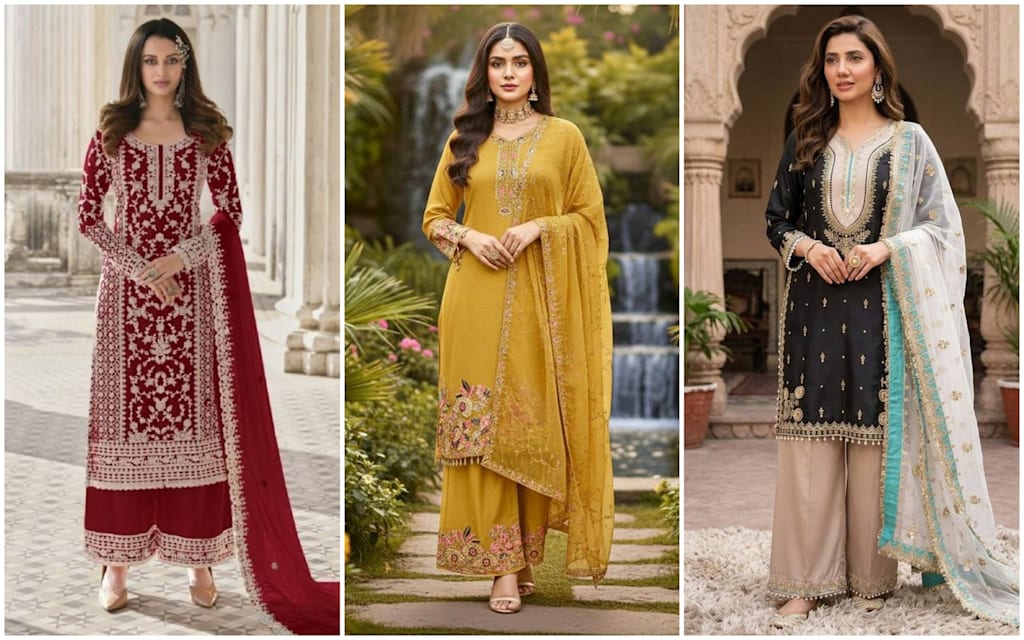
Fashion is constantly evolving, influenced by changing lifestyles, cultural shifts, and consumer preferences. Yet some garments manage to remain relevant through every transformation. The salwar kameez is one of the best examples of this. For decades, it has been a cornerstone of ethnic fashion, embraced by women of different generations for its comfort, versatility, and timeless appeal.
What makes the salwar kameez particularly remarkable is its ability to adapt. While fabrics, silhouettes, and styling approaches have changed significantly over the years, the essence of the outfit remains intact. It continues to reflect tradition while responding to the needs of modern wardrobes, proving that evolution and heritage can exist side by side.
A Foundation Built on Tradition
The enduring popularity of the salwar kameez begins with its strong cultural roots. For generations, it has been worn across different regions and communities, becoming one of the most recognizable forms of ethnic wear.
Its classic combination of a kameez, bottoms, and dupatta provides a foundation that has remained largely unchanged despite shifts in fashion. This familiarity is part of its appeal. Women often feel connected to the outfit because it carries a sense of tradition while remaining practical enough for contemporary lifestyles.
Unlike trend-driven garments that can quickly lose relevance, the salwar kameez benefits from a cultural significance that gives it lasting value.
Fashion Trends Have Changed the Silhouettes
Although the basic structure remains recognizable, the silhouettes within salwar kameez for women have evolved considerably.
Traditional styles continue to exist, but modern fashion has introduced a variety of interpretations. Straight-cut suits, palazzo suits, Anarkali suits, Pakistani-inspired silhouettes, and contemporary co-ord style sets have all emerged as popular alternatives.
These variations allow women to choose styles that suit their personal preferences while still remaining connected to the traditional essence of the outfit. Rather than replacing the salwar kameez, modern silhouettes have expanded its possibilities.
Fabric Innovation Has Expanded Its Appeal
Fabric plays a major role in how fashion evolves. Earlier generations often associated ethnic wear with occasion-specific fabrics and heavier constructions. Today, consumers are looking for garments that feel comfortable, breathable, and versatile.
This demand has encouraged designers to experiment with cotton, georgette, chiffon, organza, muslin, and lightweight silk blends. These fabrics make the salwar kameez suitable for a wider range of occasions, from everyday wear to festive celebrations.
The growing variety of fabrics has allowed the outfit to remain relevant while meeting the practical needs of modern consumers.
Modern Lifestyles Require Greater Versatility
One of the biggest changes influencing fashion today is the demand for versatility. Women increasingly prefer clothing that can adapt to multiple occasions rather than being limited to a single purpose.
The salwar kameez fits naturally into this trend. A simple cotton style may be suitable for daytime wear, while an embroidered version can transition effortlessly into festive settings. Small changes in accessories, footwear, or dupatta styling can dramatically alter the overall appearance of the outfit.
This adaptability is one reason the salwar kameez continues to hold a place in contemporary wardrobes.
Regional Influences Keep the Style Fresh
Another reason the salwar kameez continues to evolve is its ability to absorb regional influences. Fashion traditions from different parts of the subcontinent regularly inspire new interpretations of the outfit.
Punjabi suits, Pakistani suits, churidar styles, palazzo suits, and modern Anarkali dresses all contribute to the diversity seen within today's ethnic fashion landscape. These influences introduce fresh ideas while maintaining the familiar structure that defines the salwar kameez.
The result is an outfit that constantly reinvents itself without losing its identity.
Comfort Has Become a Key Design Priority
Fashion preferences have shifted significantly toward comfort in recent years. Consumers no longer want to choose between looking elegant and feeling comfortable. They expect both.
This change has encouraged designers to focus on softer fabrics, relaxed tailoring, and wearable silhouettes. Modern salwar kameez for women often emphasizes ease of movement and practicality while preserving the grace associated with traditional ethnic wear.
The ability to meet these expectations has helped the outfit remain relevant in an increasingly comfort-focused fashion landscape.
Social Media Has Accelerated Fashion Evolution
Digital platforms have transformed the way trends spread and evolve. Women now discover styling ideas, fabric trends, and new silhouettes through social media, creating demand for fresh interpretations of classic garments.
The salwar kameez has responded particularly well to this environment. Contemporary styling, minimal embroidery, pastel color palettes, and fusion-inspired looks have all gained visibility through online fashion communities.
Yet despite these modern influences, the core identity of the outfit remains recognizable, demonstrating its remarkable adaptability.
Why Salwar Kameez Continues to Endure
Few garments have managed to evolve as successfully as the salwar kameez. It has embraced new fabrics, silhouettes, colors, and styling preferences while preserving the qualities that made it popular in the first place.
Its continued relevance comes from its ability to balance tradition with practicality. Whether worn as a classic suit, a contemporary palazzo set, an elegant Anarkali suit, or a modern festive ensemble, the salwar kameez continues to meet the needs of changing generations.
In a fashion industry driven by constant change, the salwar kameez proves that true longevity comes not from resisting evolution but from adapting thoughtfully while staying true to its identity.
About the Creator
Amit Mandal
Style explorer | Ethnic wear enthusiast | Believer in power dressing Sharing outfit inspirations, styling tips, and all things fashion that speak you.
Enjoyed the story? Support the Creator.
Subscribe for free to receive all their stories in your feed.
Comments
There are no comments for this story
Be the first to respond and start the conversation.