
How Indian Dresses Balance Tradition and Everyday Wearability
The enduring appeal of outfits that feel rooted in culture yet fit modern lifestyles

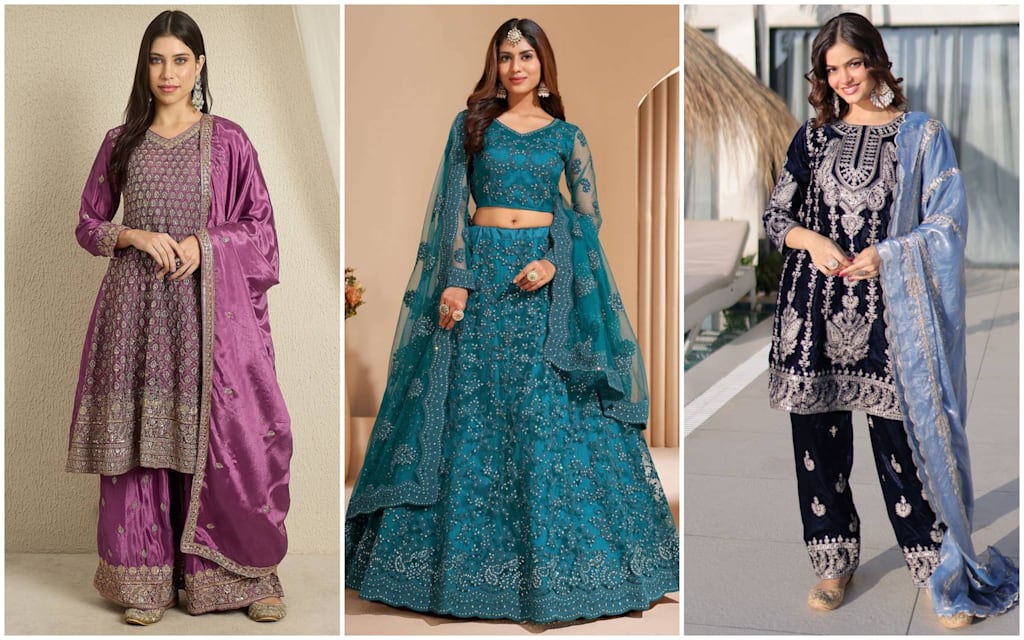
Indian fashion has always been deeply connected to culture, craftsmanship, and tradition. For generations, outfits such as salwar kameez, sarees, lehengas, and Anarkali dresses have been worn to celebrate important occasions, family gatherings, and cultural events. However, the way women approach ethnic fashion today is noticeably different from the past. Modern lifestyles have created a growing demand for clothing that feels practical enough for everyday wear while still preserving the beauty of traditional design.
This shift has allowed Indian dresses to evolve in interesting ways. Rather than being reserved exclusively for weddings and festivals, many ethnic styles are becoming part of everyday wardrobes. The ability to balance tradition with wearability is one of the main reasons Indian fashion continues to remain relevant across generations.
Tradition Remains at the Heart of Indian Fashion
One of the defining qualities of Indian dresses is their connection to heritage. From intricate embroidery techniques to regional textile traditions, ethnic wear reflects centuries of craftsmanship and cultural influence.
Whether it is the graceful drape of a saree, the flowing silhouette of an Anarkali dress, or the timeless appeal of a salwar kameez, these garments continue to carry elements of tradition that make them distinctive. Many women appreciate this connection because it allows them to express cultural identity through fashion.
At the same time, preserving tradition does not mean fashion has to remain unchanged. The most successful styles are often those that respect heritage while adapting to modern needs.
Comfort Is Reshaping Everyday Fashion Choices
Modern consumers increasingly prioritize comfort when selecting clothing. Long working hours, active schedules, and changing lifestyles have influenced the way women shop for ethnic wear.
This is one reason lightweight Indian dresses have become so popular. Breathable fabrics such as cotton, georgette, chiffon, and soft silk blends make traditional outfits easier to wear throughout the day. Instead of feeling restricted by heavy garments, women can enjoy the elegance of ethnic fashion without sacrificing comfort.
This trend can be seen across multiple categories, from relaxed salwar kameez for women to lightweight Anarkali styles designed for everyday use.
Versatility Has Become More Important Than Ever
The modern wardrobe is increasingly built around versatility. Rather than purchasing outfits for a single occasion, many women now prefer clothing that can be styled in multiple ways and worn across different settings.
This change has encouraged designers to create Indian dresses that transition easily between casual gatherings, festive lunches, office celebrations, and family events. A simple embroidered kurta set, a cotton Anarkali, or a lightweight saree can often be styled differently depending on the occasion.
The ability to adapt is one of the reasons ethnic fashion continues to thrive despite changing trends.
Modern Tailoring Has Made Traditional Styles More Wearable
While traditional silhouettes remain popular, contemporary tailoring has made them easier to incorporate into daily life.
Today's salwar kameez, for example, often features cleaner cuts, softer fabrics, and more practical designs. Similarly, modern Anarkali dresses focus on controlled flare and lighter construction rather than excessive volume.
These updates allow traditional garments to feel current without losing the qualities that make them recognizable. Instead of replacing classic styles, modern tailoring enhances their wearability.
Regional Craftsmanship Continues to Influence Everyday Fashion
Another reason Indian dresses maintain their appeal is the continued presence of regional craftsmanship. Techniques such as Chikankari, Gota Patti, Bandhani, and various forms of hand embroidery remain an important part of ethnic fashion.
What has changed is how these details are being used. Rather than appearing only on heavily embellished occasion wear, traditional crafts are increasingly incorporated into everyday outfits. A lightly embroidered kurta or a subtle handcrafted detail allows women to enjoy artisanal fashion in a more practical way.
This approach keeps traditional craftsmanship relevant while introducing it to a wider audience.
Repeat-Wear Fashion Is Changing Buying Habits
Fashion consumers today are becoming more conscious about how often they can wear an outfit. The idea of purchasing a garment for a single occasion is gradually becoming less appealing.
As a result, many women are choosing Indian dresses that offer long-term value. Outfits that can be restyled with different accessories, footwear, or layering options are becoming increasingly desirable.
This focus on repeat wear encourages thoughtful purchases and supports the growing popularity of versatile ethnic fashion.
A Balance That Keeps Indian Fashion Relevant
The continued success of Indian fashion comes from its ability to evolve without losing its identity. Traditional craftsmanship, cultural significance, and timeless silhouettes remain important, but they are now being paired with modern ideas about comfort, versatility, and practicality.
Whether it is a classic salwar kameez, a flowing Anarkali dress, a graceful saree, or another form of ethnic wear, today's Indian dresses are proving that tradition and everyday wearability can coexist beautifully.
That balance is what allows Indian fashion to remain meaningful, adaptable, and relevant in contemporary wardrobes, ensuring its place in everyday style as well as special celebrations.
About the Creator
Amit Mandal
Style explorer | Ethnic wear enthusiast | Believer in power dressing Sharing outfit inspirations, styling tips, and all things fashion that speak you.
Enjoyed the story? Support the Creator.
Subscribe for free to receive all their stories in your feed.
Comments
There are no comments for this story
Be the first to respond and start the conversation.