
How Garment Dyeing Changed the Way NYC Streetwear Actually Feels
Garment dyeing transforms heavyweight cotton into uniquely textured, long-lasting pieces that have become a defining feature of how NYC streetwear is built and worn.

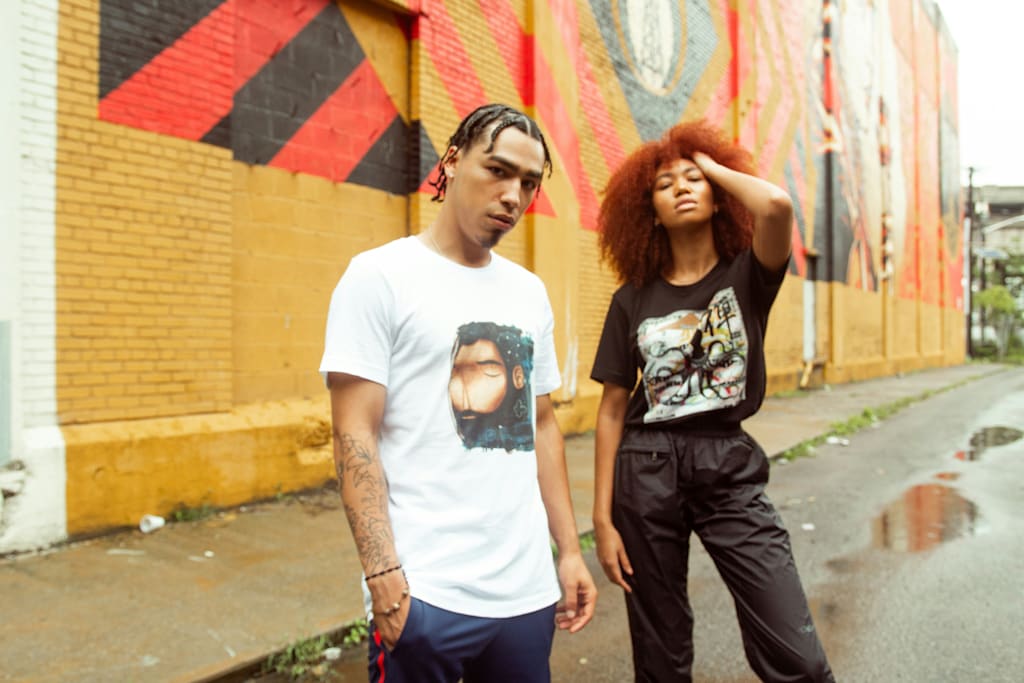
There is a moment, the first time you pull on a garment-dyed shirt, where something feels off. Not wrong, just different. The color is uneven in a way that fabric dye usually is not. The seams sit a little darker than the body of the shirt. The hem has a slightly different tone than the chest. Your first instinct is to wonder if something went wrong at the factory.
Nothing went wrong. That unevenness is the point.
Garment dyeing is one of those processes that looks like a flaw until you understand what it is. Once you understand it, fabric dyed any other way starts to look flat by comparison.
What Garment Dyeing Actually Is
Most clothing is made from fabric that has already been dyed before it is cut and sewn. The rolls of cotton arrive at the factory in whatever color they have been ordered in, and the garment is constructed from that pre-colored material. The result is predictable and consistent, which is exactly what most brands want. Every shirt in a batch looks identical.
Garment dyeing works differently. The shirt is constructed first, usually from undyed or lightly scoured cotton, and then the finished garment goes into a dye bath. The entire piece, seams, labels, stitching, and all, gets submerged and dyed as one unit.
Because different parts of a finished garment absorb dye at different rates, the result is never perfectly uniform. Seams soak up more dye. Edges and hems take color differently than flat panels. The variations are subtle, but they are real, and they give the fabric a depth that flat-dyed material simply cannot replicate.
It is closer to how natural materials age than to how most manufactured clothing is produced. The color feels lived in from the start, not painted on.
Why It Matters for Heavyweight Cotton
Garment dyeing becomes especially interesting when it is applied to heavier fabrics. A thin jersey t-shirt garment dyed will pick up color reasonably well, but the weight is not there to show the full texture variation. Apply the same process to a 240gsm or heavier cotton, and something else happens.
The denser weave holds the color differently at different points in the fabric. The result is a piece that has visible depth, where the weight of the cotton interacts with the dye to create something that looks handmade in a way that is hard to fake with conventional dyeing methods.
This is part of why heavyweight garment-dyed pieces have become a standard for NYC-based streetwear brands that are serious about construction. It is not just about the color. It is about what happens to that color over time.
A garment-dyed heavyweight cotton shirt continues to shift with washing and wear. It does not fade the way a piece that was dyed in the roll does. The color becomes more interesting over time rather than less, which is the opposite of how most mass-produced clothing behaves.
The NYC Connection
New York's streetwear scene has always had a different relationship with construction than the rest of American streetwear. Where West Coast brands built their identity around graphics and collaboration, the NYC version of the genre placed more weight on how something was made. The garment, not the logo, was supposed to do the work.
That sensibility connects directly to garment dyeing. The process fits the philosophy: invest in how the piece is built, not in how loudly it announces itself. The brand's identity lives in the fabric and the finish, not in a chest logo.
Brands like Godspeed Clothing have built their US presence around exactly this approach. The godspeed shirt lineup uses garment-dyed heavyweight cotton not as a styling choice but as a construction standard. The pieces are built first, dyed second, and the variation in the finish is treated as a feature rather than something to be engineered out.
That approach has a traceable line back to the way workwear and military surplus were treated in early New York streetwear: take something that was built to last, and let the wear show.
What to Look for When Buying Garment-Dyed Pieces
Not everything labeled garment dyed is done the same way. There is a difference between a piece that has been through a proper dye bath and something that has been washed down or overdyed after construction, which can produce a surface-level effect without the same depth.
A few things worth checking before buying:
The weight matters. Garment dyeing shows most clearly on heavier fabrics. If a shirt is very lightweight, the effect tends to look more like an even wash than a real garment-dyed finish.
Look at the seams. On a properly garment-dyed piece, the seams will be noticeably deeper in color than the surrounding fabric. If the seams are the same tone as the body, the piece has likely been conventionally dyed.
Check the interior. The inside of a properly garment-dyed shirt will show dye variation too. The underside of the collar, the inside of the hem, and the interior of the pockets should all have color, not just the outer surface.
Shrinkage behavior. Garment-dyed pieces are typically washed and dried as part of the dyeing process, which means they have already gone through the initial shrink cycle before you buy them. A well-made garment-dyed piece should fit consistently wash after wash.
Why It Has Stayed Relevant
Garment dyeing is not a new technique. It has been used in workwear manufacturing for decades, and vintage military and industrial garments show the same color depth that modern streetwear brands are now building into their products intentionally.
What changed is that streetwear started paying attention to it. When the focus shifted from graphics to construction, garment dyeing moved from a manufacturing detail to a selling point. Brands that care about how their pieces hold up over time gravitated toward it because the results are consistent with that value: the clothing gets better looking as it ages.
For anyone building a wardrobe around pieces that are meant to last, understanding garment dyeing is useful. It is one of the clearer ways to tell the difference between clothing built to be worn for years and clothing built to be bought and replaced.
The variation in the finish is not a defect. It is what the process is supposed to produce.
About the Creator
Enjoyed the story? Support the Creator.
Subscribe for free to receive all their stories in your feed.
Comments
There are no comments for this story
Be the first to respond and start the conversation.