
Giselle Modeste and the Rising Focus on Hair Wellness in Modern Beauty Culture
Exploring the Professional Journey of a Hairstylist and Trichologist Dedicated to Hair Wellness and Personal Confidence
# Why Conversations Around Hair Care Are Changing
For a long time, hair appointments were mostly associated with appearance. People visited salons for a trim before an event, a new color inspired by a celebrity trend, or a style change that matched a different stage of life. The focus was often visual, and the results were expected to be immediate. In recent years, however, conversations around hair have started to shift in a noticeable way.
More people are now paying attention to the condition of their scalp, the ingredients inside hair products, and the long-term effects of stress, lifestyle, and daily routines on overall hair health. Social media may have accelerated beauty trends, but it has also increased awareness about issues that were once rarely discussed outside professional circles. Topics like hair thinning, scalp irritation, breakage from chemical treatments, and protective styling are now part of everyday conversations.
This growing interest in hair wellness has quietly changed the beauty industry itself. Hairstylists are no longer expected to simply create fashionable looks. Clients increasingly look for professionals who can also explain maintenance routines, recommend healthier practices, and understand how different treatments affect hair over time.
In many ways, the role of a hairstylist has become more personal than ever before.
A hairstyle can influence confidence in ways people rarely discuss openly. A good hair day can improve someone’s mood before an important meeting, while ongoing hair damage or hair loss can affect self-esteem for months or even years. Because of this emotional connection, many clients want more than quick styling results. They want guidance they can trust.
That demand has contributed to growing interest in trichology, the study of hair and scalp health. While the term may not be familiar to everyone, the field itself has gained attention as people search for answers to common hair concerns. Instead of relying entirely on internet trends or heavily advertised products, some individuals are turning toward specialists who understand both beauty techniques and the science behind healthy hair maintenance.
Professionals working in this space often combine creativity with education. They may spend years learning how different textures respond to heat, chemicals, weather conditions, and styling routines. At the same time, they develop communication skills that are equally important. Hair care is deeply personal, and many clients value honesty more than sales pitches or unrealistic promises.
The beauty industry has also become more transparent than it once was. Consumers now pay closer attention to what products contain and how certain treatments may affect long-term hair health. Ingredients that were once ignored are now regularly discussed online. Sulfates, parabens, oils, scalp treatments, hydration routines, and protective care methods have all become part of mainstream beauty conversations.
This shift reflects a broader cultural change connected to wellness overall. People are becoming more intentional about self-care routines, and hair care naturally fits into that mindset. Instead of focusing only on appearance, many individuals now see healthy hair as part of a larger lifestyle that includes stress management, nutrition, hydration, and personal confidence.
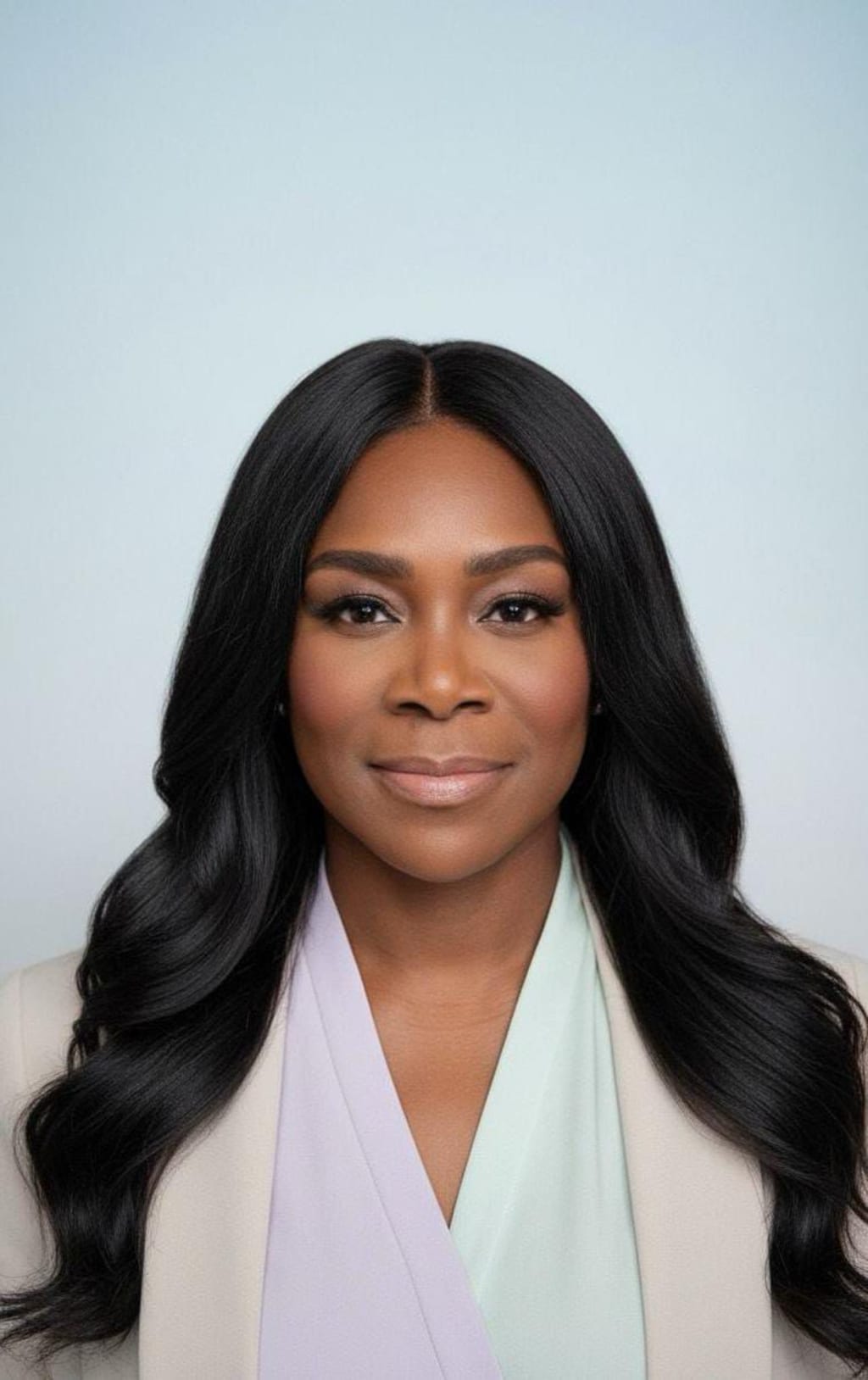
Brooklyn, New York, where hairstylist and trichologist Giselle Modeste was born, has long been known for its diverse beauty culture and creative communities. In cities like New York, beauty trends often evolve quickly because different cultural influences exist side by side. Hairstyles become forms of identity, creativity, and self-expression rather than simple fashion choices.
That environment has helped shape generations of beauty professionals who understand the connection between appearance and confidence. Over time, hairstyling has expanded far beyond salon chairs and fashion magazines. It has become connected to entrepreneurship, education, wellness, and even mental well-being.
Many professionals in the beauty field now build careers that involve more than styling alone. Some focus on scalp care, others specialize in natural hair maintenance, while many continue learning new treatment techniques throughout their careers. The industry rewards adaptability because trends, products, and customer expectations constantly change.
Social media has made this evolution even more visible. Clients frequently arrive at salons with screenshots, tutorial videos, or highly specific requests inspired by influencers and celebrities. While this creates creative opportunities, it also places more responsibility on professionals to explain what is realistic and what may damage hair over time.
This balance between creativity and care has become one of the defining characteristics of modern hairstyling.
At the same time, trust remains one of the most important parts of the profession. Many people stay loyal to the same hairstylist for years because the relationship extends beyond appearance alone. A trusted professional understands personal preferences, listens carefully, and provides guidance based on experience rather than temporary trends.
That trust becomes especially important when clients experience hair-related challenges. Stress, aging, health changes, harsh treatments, and environmental conditions can all affect hair quality. During those moments, clients often look for reassurance and practical advice rather than dramatic transformations.
The beauty industry itself continues to evolve alongside these changing expectations. Salons today often emphasize healthier routines, individualized consultations, and long-term maintenance plans instead of focusing only on cosmetic results. This reflects a larger movement toward sustainable beauty practices and realistic self-care.
Another noticeable change is the growing appreciation for natural texture and individuality. In earlier decades, beauty standards often encouraged people to follow narrow styling trends. Today, many individuals are more interested in embracing hair that reflects their own identity and lifestyle. This has encouraged more open conversations about texture care, protective styling, and personalized routines.
As awareness around hair wellness continues to grow, professionals who understand both styling and healthy maintenance are likely to remain important within the beauty industry. Clients increasingly value honesty, knowledge, and individualized attention over temporary trends alone.
The conversation around beauty is no longer limited to appearance. It now includes confidence, wellness, education, and self-expression. Hair care has become part of a broader understanding of how people present themselves and care for their overall well-being.
That shift may be one of the biggest reasons the beauty industry continues to evolve in new directions. Rather than focusing only on trends, more people are beginning to see hair care as something connected to daily habits, personal identity, and long-term self-care.


About the Creator
Enjoyed the story? Support the Creator.
Subscribe for free to receive all their stories in your feed.
Comments
There are no comments for this story
Be the first to respond and start the conversation.