
Bono Hair: Lace Hair System Maintenance
The Ultimate Salon Guide to Lace Hair System Maintenance

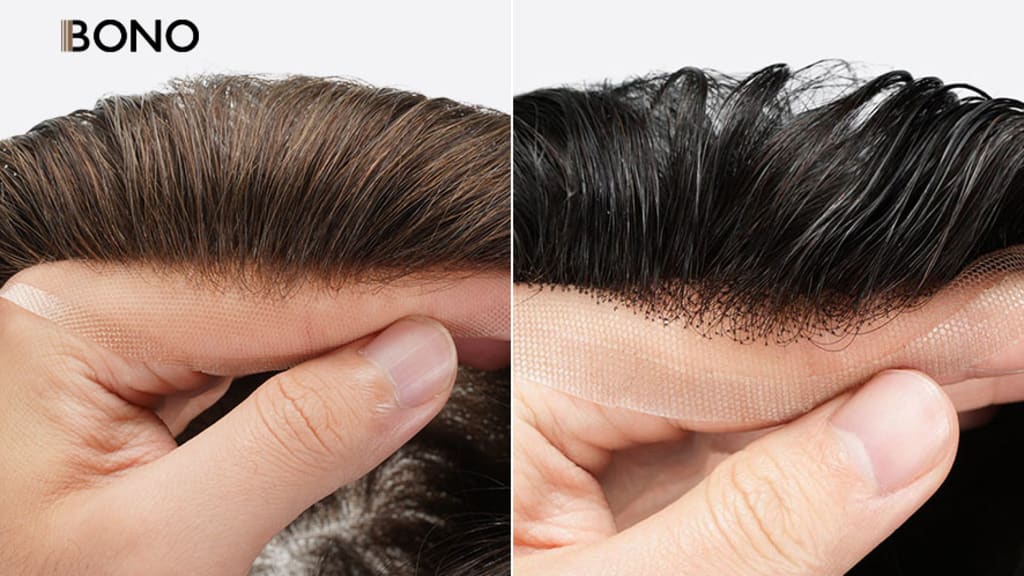
Lace Hair System Maintenance
Maintaining a lace hair system protects that fragile front edge, giving your clients a completely invisible hairline. Good upkeep also means salons and retailers get way more wear out of every single unit.
Here, we break down exactly how to handle, store, and protect the knots. That way, you keep the quality intact, cut back on early replacements, and protect the value of your Bono Hair stock.
Key Takeaways
Handling units by their reinforced outer edges prevents delicate lace mesh stretching.
Solvent-softened adhesive prevents knot loss during lace removal.
Dry, flat storage away from heat protects lace shape between services.
What Makes Lace Hair System Care Fundamentally Different for Salons?
You need a much lighter touch with a Lace Hair System compared to solid Base Types. That's because the mesh structure can easily stretch or snag if you pull it. Unlike a skin base, lace doesn't give you a solid barrier to shield every single part of it.
In the salon, always store each unit flat or on a properly sized form, keeping the lace front safe from any rubbing or friction. Whenever you lift or move the piece, grab it by the stronger outer edges—never the delicate hairline. Doing this protects the fine mesh and keeps the finish looking completely natural. Plus, it helps your Bono Hair units last a whole lot longer for your clients. Keep in mind, that same open design also reacts way differently the second service products touch it.
Why Is Base Mesh Structure More Vulnerable to Chemical Breakdown?
Base mesh structure takes more chemical damage. Why? Because its fine threads and hand-tied knots sit right out in the open, rather than hiding behind a solid polyurethane layer. If you run a salon or retail shop, cleaning the base carefully is a huge part of protecting a unit's look, attachment quality, and overall lifespan.
Solvents and removers need to lift adhesive residue, not soak right through the mesh. When liquid remover floods that base, it reaches the knot area. Over time, this loosens the hair's grip after multiple services.
Harsh cleansers cause similar issues. Strong formulas and aggressive scrubbing leave the mesh dry, stretched, or snagged. They also pull at hairs right near the lace front. You have to treat the base like a delicate piece of clothing, not a tough plastic surface. Support it from underneath. Use only as much remover as you actually need. And always blot the residue away instead of rubbing.
When handling your Bono Hair inventory, sticking to this care standard protects the details your clients notice right away. We're talking about a clean hairline, stable density, and a mesh base that actually holds its shape through repeat fittings.
How Does Proper Maintenance Directly Impact Salon ROI and Client Retention?
Taking good care of a hair system extends its life through every single fitting, cleaning, and storage cycle. Handling things the right way helps Bono Hair units hold their shape, keep their density, and stay ready to attach. This simply cuts down on easily avoided client complaints and premature replacements.
Making a piece last really comes down to gentle base handling, keeping it in dry storage away from heat, and making sure the hair doesn't get tangled or crushed between visits. Having fewer unnecessary replacements directly protects your wholesale margins. Plus, it gives your clients a much more reliable experience in the chair. You'll also want to make sure your workstation is stocked with the right everyday care products to keep that standard high.
What Essential Supplies Belong in a Professional Lace Care Kit?
Any good lace care kit needs products that break down adhesive, wash hair gently, and protect your client's scalp during reattachment. Make sure to stock C-22 solvent to clean up glue. You'll also want sulfate-free shampoo for the hair, plus some Scalp Protector to build a solid barrier before applying new adhesive.
Always keep Walker Tape around for reliable refits. And remember to store every bottle upright, sealed tight, and away from heat. Having a fully organized kit helps your team take off old units cleanly. It also stops those annoying pulls that can easily rip delicate lace mesh. That's it.
How Do You Safely Remove a Lace System Without Tearing the Delicate Mesh?
Safe lace removal is all about patience. You need to soften the bond until the unit actually moves, then gently guide it away instead of just lifting it up. This protects the fine mesh, those fragile hand-tied knots, and your client's natural hair.
For salons and retailers, having a solid removal routine cuts down on unnecessary damage. Plus, it helps keep each lace system looking great through a lot more uses.
The Soak and Slide Solvent Release Technique
Start right at the perimeter where you can clearly see the lace edge. Sparingly apply your adhesive solvent along the bonded area and let it sit. Wait until the base starts letting go under light fingertip pressure. Never try to peel a high-tack bond while it's dry. Don't do it.
Hold the lace close to the edge and slide the unit back bit by bit, making sure to support your client's skin. Think of it like easing a wet label off a glass bottle, not ripping packing tape off a cardboard box. If you still feel resistance, just add a bit more solvent and wait. Yanking it will stretch the mesh or loosen the hand-tied hair.
Scalp Residue Cleaning and Surface Prep
Only clean the client's scalp after the unit is completely off. Grab a suitable cleanser to lift any leftover bonding residue, then rinse and dry the skin entirely. Fresh adhesive always needs a clean, dry surface to grab on evenly. Simple.
Check the scalp for any redness, tenderness, or broken skin before you reattach the piece. If a client is trying out a new adhesive or barrier product, do a quick patch test following the label's directions before their actual appointment. Note any reactions in their file, and hold off on bonding if the scalp looks irritated.
How Should Salons Clean Adhesive Residue From Lace Mesh Without Knot Loss?
Cleaning the base only protects a lace system if you soften the adhesive before touching the mesh. Dealing with acrylic Hair System Glue or Liquid Adhesives? Just place the unit lace-side up on a clean towel. Apply a little bit of remover, and let it sit so the stickiness loosens up. That's it.
Press lightly with your fingertips and wipe softly straight down. Don't ever scrape or rub in circles. Doing that just catches those hand-tied hairs and rips right at the knots. Next, rinse off the remover. Blot the lace until it's dry, then store the system perfectly flat. Once you've got all the residue off, make sure to secure the knots before the next fitting to keep shedding to an absolute minimum.
What Is the Pro-Grade Knot Sealing Protocol to Prevent Hair Shedding?
Knot sealing toughens up the hand-tied anchors holding hair inside Swiss or French lace. Once you remove the adhesive residue and make sure the base is dry, grab a dedicated knot sealer. Apply it just like the directions say. Coat the knot area, but don't soak the lace.
This is a big deal for bleached knots. The finish is softer there, so normal handling can easily loosen the hairs. Let the sealer cure all the way. After that, store the unit flat in a clean, dry spot. Don't fold or drag the lace. For salons and retailers, making this a regular habit cuts down on shedding complaints. Plus, it gives your clients' hair systems a much longer lifespan.
How Do You Deep Condition Hair Systems Without Softening Base Knots?
When deep conditioning Remy human hair, focus only on the mid-lengths down to the ends. Keep all creams and oils completely away from the lace or poly base. Just apply a little bit of leave-in conditioner to damp hair, then comb downward using a wide-tooth comb. This clears up tangles without tugging at the knots.
For salon storage, lay the system flat once it's dry. Don't fold the hair up into the base. Sticking to a regular routine keeps the hair soft, and you won't have to worry about early shedding. That's it.
What Is the Ideal Salon Maintenance Schedule for Maximum Unit Lifespan?
Stick to a set, client-specific schedule instead of just waiting around to fix things later. When you fit a new piece, go ahead and book their re-grooming and unit reset right then. After that, keep the timing exactly the same unless their daily wear habits shift.
Every visit needs a quick check for shedding, tangles, base damage, and leftover adhesive. If you reset a unit before the glue turns into a sticky mess or the hair gets rough, you'll easily extend its lifespan. Plus, it makes scheduling way easier for your salon. Bono Hair systems really thrive when you track and stick to this kind of routine.
Active units obviously need regular attention. But remember, your back-room stock needs a proper handling process too.
How Should Wholesale Distributors and Salons Store Lace Hair Systems in Bulk?
Wholesale lace stock lasts longer when your team handles storage just as carefully as the actual fitting. If a toupee or hairpiece gets crushed, overheated, or left in direct light, it can crease at the lace edge. Or worse, it loses that fresh look before a client even sees it.
Keep your reserve inventory separate from your active rotation units. Each requires a totally different routine to protect the European hair and maintain that perfect, ready-to-wear shape.
Climate-Controlled Storage for Inventory Stock
Keep your boxed lace units in a clean, dark, climate-controlled cabinet or room. You want the temperature and humidity to stay stable. Don't put cartons near windows, radiators, vents, or exterior walls. Constant heat, moisture, and sunlight will just speed up oxidation and cut the lifespan short.
Make sure to store each unit flat in its protective packaging, and don't stack heavy things on the cartons. Label the shade, length, base, and intake date. Then, rotate your older stock forward so a forgotten piece doesn't just sit there through multiple buying cycles.
Mannequin Head Setup for Active Client Service
When dealing with an active lace system, mount it on a correctly sized canvas block. Try to match the head form to the client's actual fitted shape as closely as you can. Only pin through the perimeter where it really needs support. Use fine pins that won't pull the lace or mess up the front contours.
Keep the lace relaxed, not tight. Stretching it across a small block is exactly like pulling a fitted shirt over the wrong-sized hanger—the shape will completely change. Write down the base types and contours you used for each client. Then, just store the mounted unit under a dust cover between appointments. That's it.
How Do Environmental Factors Like UV Rays and Water Affect Lace Durability?
UV rays can fade hair color and dry out the fibers. Plus, chlorine and saltwater leave behind a stubborn residue. That buildup slowly weakens the lace area after repeated wears. This whole oxidation process makes a fresh hair system look old way too fast.
Just tell clients to rinse the unit with fresh water right after they swim. Then, they should blot it dry and keep it out of direct sunlight. For your salon inventory, make sure to check the front knots and color before every refit. It's a lot easier to manage a little early wear than to fix a completely ruined lace edge.
What Emergency Mid-Wear Fixes Should Stylists Teach Their Clients?
When a Lace front lifts, it needs a gentle touch instead of a full DIY repair. Tell your clients to stop pulling on it immediately. Keep the area completely dry. Then, have them call your salon to set up a proper refit. That's it.
If it's just a minor edge lift, they can wipe the exposed skin using a lint-free swab. Let it dry completely. After that, they can apply a tiny drop of Ultra Hold just as directed. But they should absolutely never brush glue right into the lace mesh. Giving your clients these clear emergency steps takes away their stress. Plus, it protects the hair system until their next appointment.
What Are the Essential DOs and DON'Ts of Handling Delicate Lace Systems?
Delicate lace systems look better for longer if your team handles the base instead of the hair. Make sure junior stylists lift every unit using both hands. They should rest the lace on a fresh towel and always comb from the bottom up. Keep pins, clips, and any sharp tools far away from that fragile mesh.
Don't ever stretch wet lace or rub it dry. And definitely don't stack units where the hair density might get crushed. Once a system is clean and completely dry, put it on a labeled form or inside a breathable box. DIY fixes only go so far. Tears, loose ventilation, and warped lace need to go straight to a trained technician. No exceptions. These simple habits protect your Bono Hair units and cut down on early refits.
How Does Tape Application Compare to Liquid Glue for Lace Base Cleanup?
During regular lace maintenance, tape usually gives your salon a cleaner, faster breakdown. When a Walker Tape strip is placed right, it lifts in clear sections. This way, your staff won't smear adhesive all over the lace during removal.
Liquid Adhesives and Hair System Glue might build a stronger, continuous bond. But cleanup usually takes longer since the leftover residue gets stuck in the mesh. For regular appointments, save the glue for clients who actually need it. And just make sure to train your staff to peel the tape slowly while supporting the lace.
How Can Salons Educate Clients on At-Home Sleep and Shower Protection?
A daily maintenance routine protects lace bonds much better than an occasional repair visit. Tell your clients to blot the hairline dry after a shower instead of rubbing it. And always keep hot water and steam away from that front edge.
Silk pillowcases cut down on sleep friction. At the same time, loose, low-tension styling stops overnight pulling. Clients shouldn't sleep in a damp system or toss it loose into a travel bag. For sensitive scalps, only use Scalp Protector if it's part of the salon's fitting plan. Bono Hair systems last a lot longer with steady care. Simple.
How Often Should You Clean Your Hair System for Optimal Longevity?
Wondering how often to clean a lace hair system? Don't just stick to a one-size-fits-all timeline. Instead, set up a written maintenance schedule tailored to each client.
Base the washes on how much the person sweats, the styling products they use, and how the adhesive is holding up. Only washing the piece when it actually needs it cuts down on handling the lace and hair too much. When taking a system off, always store it clean, dry, and properly supported so it doesn't tangle or lose its shape. Simple. This kind of careful handling backs up the long-lasting quality clients expect from Bono Hair systems.
What Factors Affect the Lifespan of a Lace Hair System?
Lace construction, ventilation quality, and how much it gets handled during salon visits largely determine a lace hair system's lifespan. Even a well-made unit won't last long if staff tug at the lace, fold it up damp, or store it without any support.
If you're a wholesale buyer, check the construction consistency before you order. After that, make sure your team sticks to clean, dry storage and gentle handling for every single re-fit. Taking these steps protects the durability of Bono Hair systems. Plus, it helps your maintenance routine give clients a much more reliable wear.
Why Durability-Driven Maintenance Makes Bono Hair Systems the Preferred Wholesale Choice
The lasting power of wholesale lace hair systems comes down to solid construction and consistent salon care. Bono Hair gives salons and distributors a practical wholesale option when teams check each unit right at intake. Just handle the lace without pulling, and keep the systems clean and totally dry before storage. That's it.
Treat storage like inventory protection, not just an afterthought. Put each dry system on a form or supportive insert, keep it safe from getting crushed or folded, and make sure your staff uses the exact same re-fit checklist. This simple routine helps keep the lace shape intact. Plus, it'll cut down on unnecessary replacement orders for your clients.
Frequently Asked Questions About Lace Hair System Care
How long do lace hair systems last?
With gentle handling and regular resets, longer. Lace is fragile; pulling, heat, and adhesive residue cause early shedding and tears.
How much does hair system maintenance cost?
There's no fixed number. Costs depend on refits, adhesive removal, cleaning, and repairs; neglect costs more through premature replacement.
Can you wear a lace hair system every day?
Yes. Check for lifting, tangles, shedding, and glue buildup regularly. Rinse after swimming and keep it out of direct sun.
How do you sleep with a lace hair system?
Use a smooth pillowcase, avoid rough friction, and don't sleep with wet lace. Never stretch or rub the lace dry.
About the Creator
Leo
Passionate men's hairstylist with a keen eye for detail and a knack for creating on-trend looks. Dedicated to delivering hair restoration education that enhances individual style.
Enjoyed the story? Support the Creator.
Subscribe for free to receive all their stories in your feed.
Comments
There are no comments for this story
Be the first to respond and start the conversation.