
11 Timeless Fashion Rules for Building an Effortlessly Elegant Wardrobe
How to Build a Timeless Wardrobe With Classic Essentials, Smart Styling Choices and Personal Touches That Never Go Out of Fashion

Fashion trends change every season, but great personal style has a way of remaining relevant for decades. From perfectly tailored trousers to a well-structured coat, certain wardrobe choices continue to look sophisticated regardless of what dominates social media or fashion runways.
According to The Fashion Conservateur, timeless fashion is not about dressing conservatively or eliminating personality. It is about understanding which silhouettes, fabrics, colors, and styling decisions consistently work for your lifestyle. The goal is to create outfits that feel intentional without requiring an entirely new wardrobe every year.
Whether you are refining your professional wardrobe or simplifying your everyday outfits, these 11 principles can help you develop a more polished, practical, and enduring personal style.
1. Build Your Wardrobe Around Pieces You Actually Wear
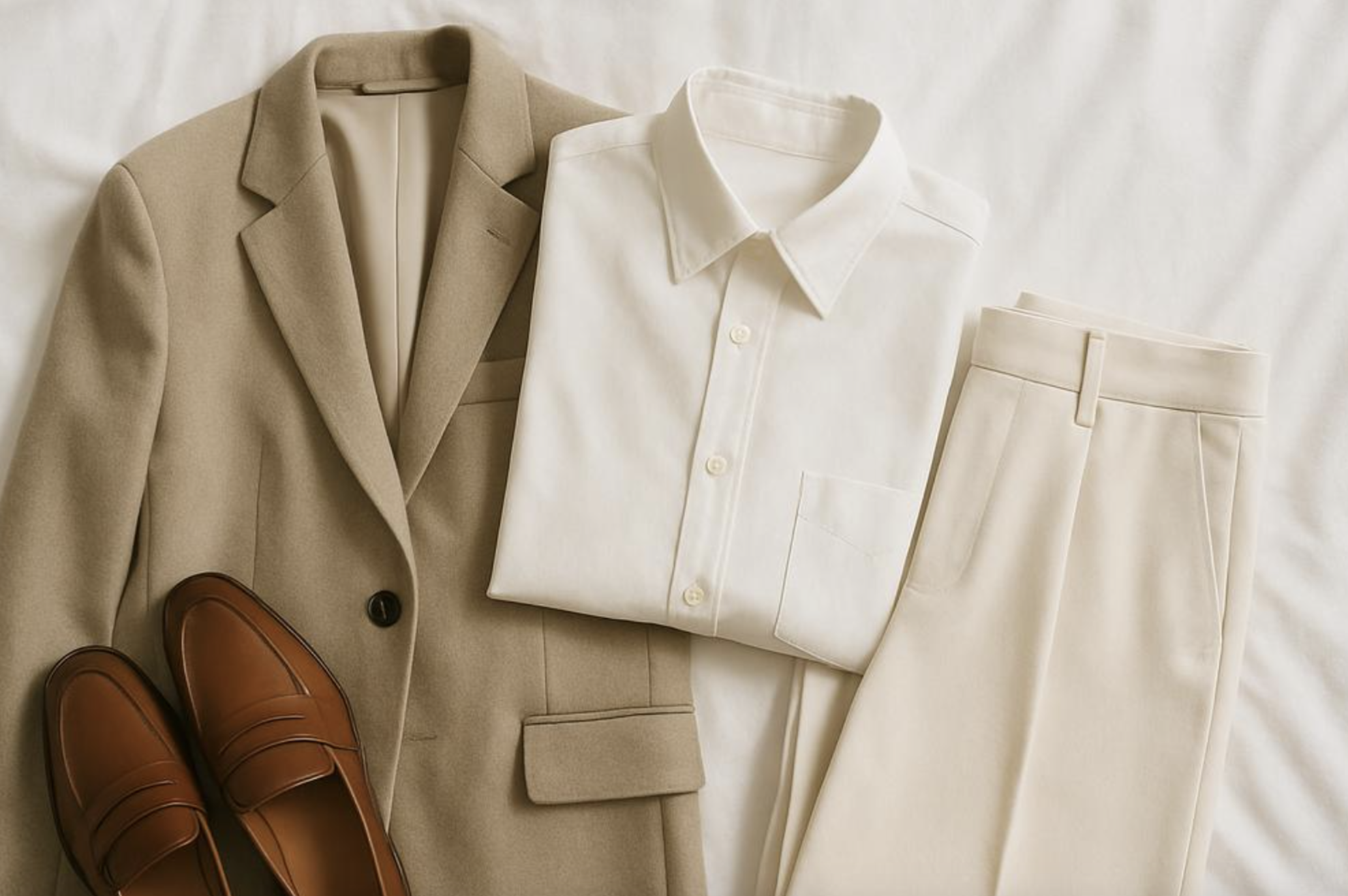
A timeless wardrobe begins with reliable clothing that works across multiple occasions. Instead of buying statement pieces first, identify the items you reach for most frequently and invest in better versions of them.
A crisp white shirt, tailored trousers, straight-leg jeans, a versatile blazer, and comfortable leather shoes can form the foundation of dozens of outfits.
For example, navy trousers can work with a cotton shirt for the office, a fine-knit sweater for dinner, or a simple T-shirt for weekend errands. The more combinations a garment supports, the more valuable it becomes.
2. Choose Quality Based on Construction, Not Price
Expensive clothing is not automatically well-made. Fabric composition, stitching, garment structure, and maintenance requirements often reveal more about longevity than the price tag.
Examine seams, buttons, linings, and how the material feels against your skin. A reasonably priced cotton shirt with reinforced seams may last longer than a designer alternative made from delicate fabric.
Jessica Taylor, Director of Operations at SelfMoment, offers a useful perspective on evaluating wardrobe decisions through an everyday practicality lens. A thoughtful approach is to consider how often a garment will be worn, how easily it can be maintained, and whether it supports the routines of the person buying it.
For instance, a $150 coat worn 100 times costs $1.50 per wear, while a $60 jacket worn only five times costs $12 per wear. This calculation can help shoppers prioritize usefulness over impulse purchases.
3. Make Proper Fit Your Personal Style Advantage

Even beautiful clothing can look awkward when the proportions are incorrect. Shoulder placement, sleeve length, trouser hems, and waist definition influence how polished an outfit appears.
Rather than relying exclusively on standard clothing sizes, consider alterations for frequently worn pieces.
A tailor can shorten trousers, adjust a jacket's waist, or refine a skirt's length. These small changes can make affordable garments look considerably more refined.
Pay attention to comfort as well. Clothes should allow natural movement without excessive pulling, bunching, or constant adjustment.
4. Develop a Color Palette That Reflects Your Personality
Neutral colors provide a flexible foundation, but timeless style does not require an entirely beige or black wardrobe.
Navy, ivory, charcoal, chocolate brown, and camel are easy to combine. However, rich burgundy, forest green, or muted blue can also become enduring signature colors.
Start with two or three foundation colors and introduce complementary accents. This makes shopping easier because new garments are more likely to coordinate with existing pieces.
A coordinated wardrobe also reduces the frustration of owning numerous clothes that never seem to work together.
5. Understand Proportions Instead of Following Every Trend
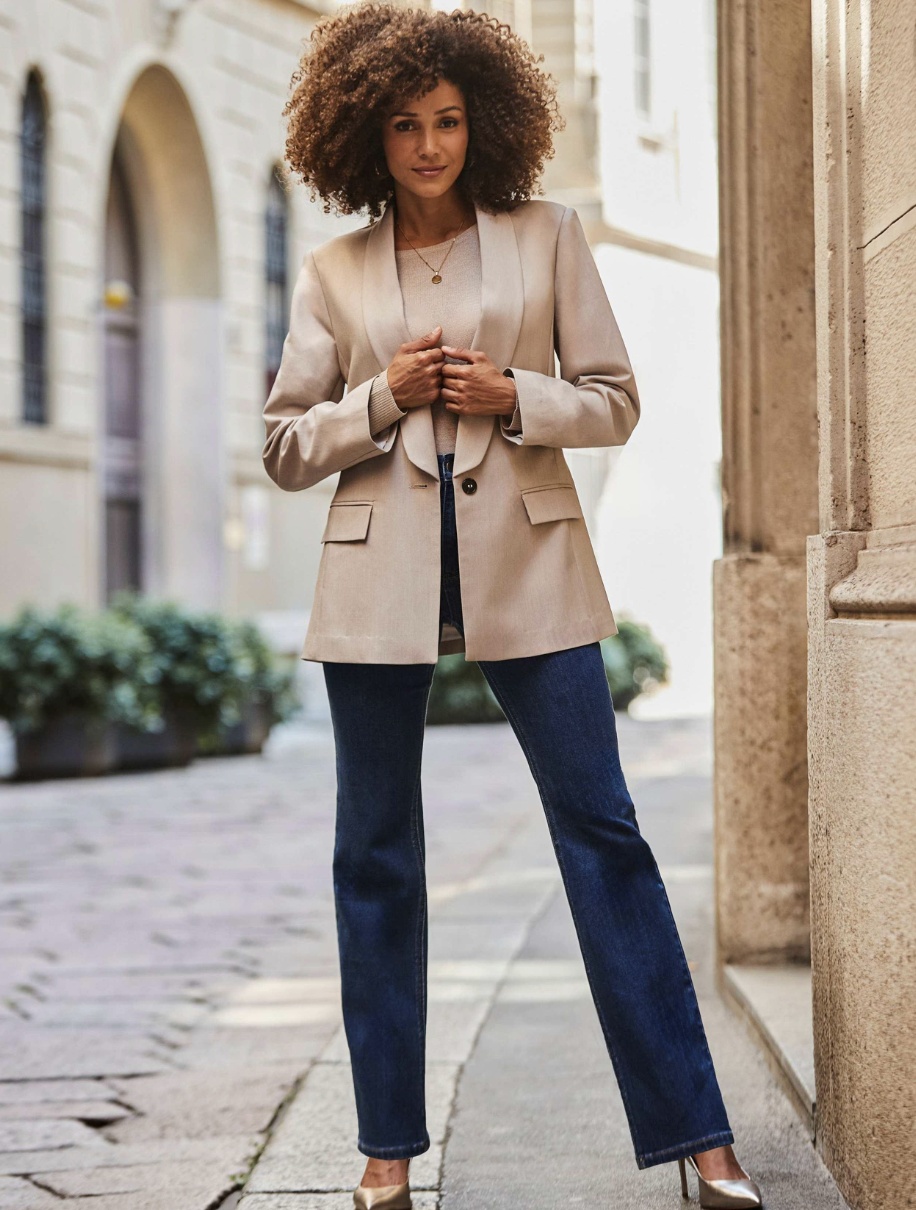
Successful styling often depends on the relationship between garments rather than any individual item.
Wide-leg trousers, for example, can look particularly balanced with a fitted knit top or structured jacket. A relaxed shirt may work beautifully with straight-leg trousers and a defined waist.
Fashion stylist and designer Gabrielle Arruda explores the importance of silhouette, balance, and understanding individual style preferences in her fashion guidance.
A practical way to apply this principle is to photograph several outfit combinations and compare how different proportions affect the overall appearance. This allows you to identify flattering combinations without relying on rigid body-shape rules.
6. Invest in Outerwear That Completes Multiple Outfits
Outerwear is often the first part of an outfit people notice, making it a particularly worthwhile wardrobe investment.
A structured wool coat, classic trench, or well-cut leather jacket can elevate simple everyday clothing.
When selecting outerwear, consider whether it accommodates your usual layers, complements your existing shoes, and works for your local climate.
Avoid choosing a coat solely because it is trending. A versatile design that suits your lifestyle will generally provide more styling opportunities.
7. Use Accessories to Create a Recognizable Signature
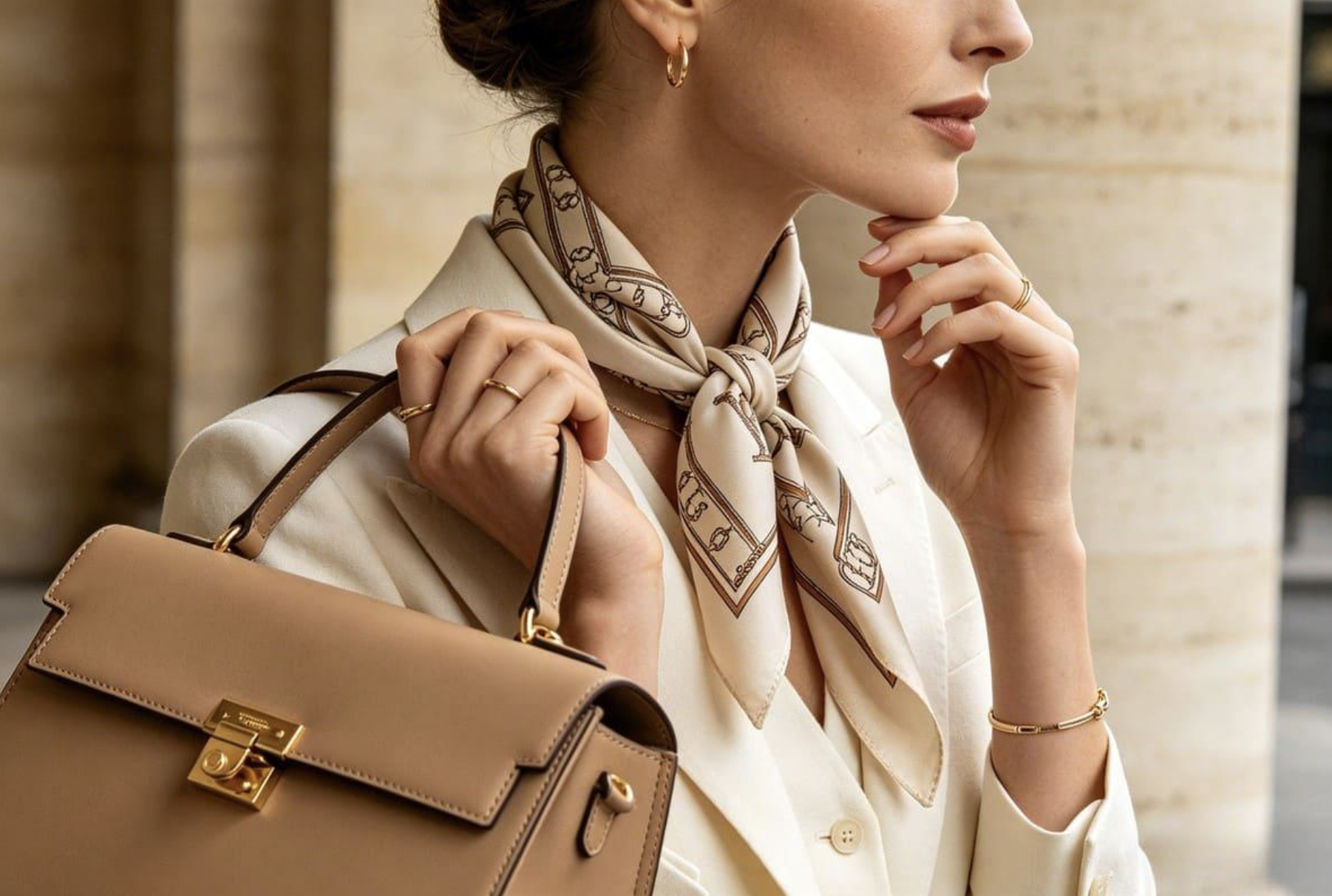
Accessories help distinguish personal style from simply wearing basic clothing.
A leather belt, structured handbag, delicate necklace, classic watch, or silk scarf can add character without overwhelming an outfit.
Rather than purchasing accessories for every trend, identify a few details that consistently appeal to you.
For example, someone who regularly wears gold jewelry and structured handbags develops a recognizable aesthetic even when their clothing combinations change.
Consistency can become a stronger personal style statement than constant novelty.
8. Buy Trends Selectively Instead of Rejecting Them Completely
Timeless fashion and contemporary trends are not opposites. A modern element can refresh a classic wardrobe when it complements the pieces you already own.
Before purchasing something trendy, ask whether it works with at least three existing outfits and whether you would still enjoy wearing it after the trend fades.
Consider introducing trends through lower-commitment items such as scarves, belts, or seasonal colors rather than completely replacing core wardrobe pieces.
This approach allows personal style to evolve naturally without becoming dependent on seasonal shopping.
9. Create Reliable Outfit Formulas for Different Occasions
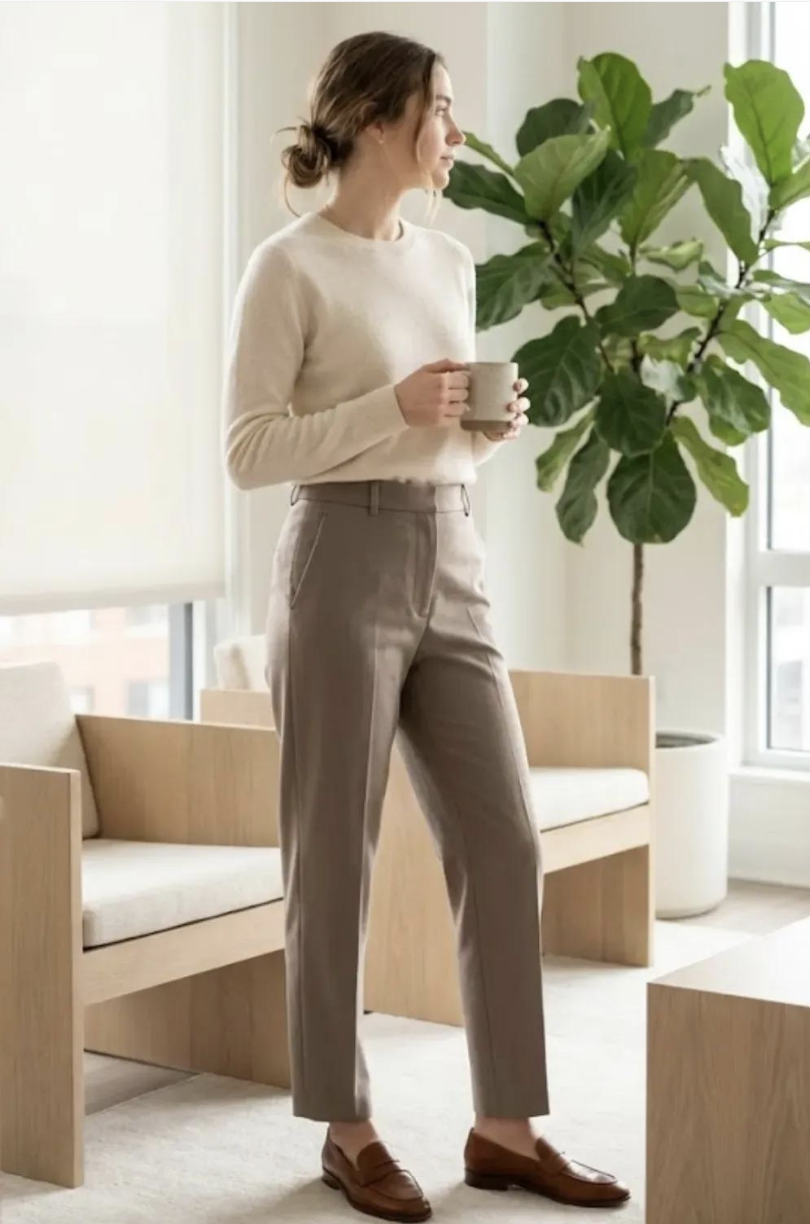
Having a few dependable outfit combinations makes getting dressed easier, especially during busy mornings.
An outfit formula is a repeatable combination of clothing categories that consistently works for your lifestyle.
For example, a blazer, fitted T-shirt, straight-leg jeans, and loafers create an adaptable smart-casual look. A midi skirt, fine-knit sweater, and ankle boots provide another combination suitable for many professional and social settings.
Save photographs of successful outfits on your phone. Over time, this collection becomes a personalized styling reference based on clothing you already own.
10. Pay Attention to Grooming and Clothing Maintenance
A polished appearance depends on more than selecting fashionable garments.
Wrinkled shirts, worn-out shoes, loose buttons, and poorly maintained fabrics can distract from an otherwise sophisticated outfit.
Follow garment care instructions, store knitwear appropriately, and repair minor damage before it becomes more serious.
Hair and makeup can also complement your overall aesthetic, but they do not need to follow a single beauty standard. A consistent grooming routine that suits your preferences is more useful than copying a particular celebrity look.
11. Let Your Lifestyle Define What Timeless Means to You
The most sustainable personal style is one that reflects how you actually live.
Someone working in a corporate office may benefit from structured blazers and tailored separates. A creative professional might prefer relaxed silhouettes, interesting textures, and distinctive accessories. Someone who spends most of the day on their feet may prioritize comfortable shoes and practical layers.
Review your wardrobe periodically and identify which pieces genuinely support your daily activities.
Instead of trying to own the perfect collection of classic clothing, aim for a wardrobe that feels comfortable, cohesive, and unmistakably yours.
Final Thoughts: Timeless Style Is Built Through Better Decisions
Developing timeless style does not require an unlimited budget, designer labels, or a complete wardrobe overhaul. It comes from making thoughtful decisions about fit, versatility, construction, maintenance, and personal preference.
Start by improving the pieces you wear most frequently. Experiment with outfit combinations, invest selectively, and allow your style to develop as your lifestyle changes.
The result is a wardrobe that makes getting dressed simpler while helping you feel confident and appropriately dressed across different occasions.
About the Creator
Dan Woodland
Dan is a freelance writer and contributor who explores a wide range of topics, from business, entrepreneurship, technology, design, marketing, and finance to emerging trends, culture, and everyday ideas that spark curiosity.
Enjoyed the story? Support the Creator.
Subscribe for free to receive all their stories in your feed.
Comments
There are no comments for this story
Be the first to respond and start the conversation.